

Panier

Graphic design can sometimes feel like a puzzle – you're trying to bring together all the right elements, colors, and textures to create something visually exciting. But what if you could add a little more spice to the mix? What if you could break the rules of design while still keeping everything in harmony? Enter Mexican folk art, a treasure trove of symbolism and textures that could give your designs a fresh new twist. Ready to find out how? Let's dive in!
Mexican folk art isn't just pretty to look at; it's packed with deep symbolism. From the vibrant colors of a papel picado banner to the intricate patterns of a Zapotec rug, every piece tells a story. As a designer, understanding the power of these symbols can help you craft designs that evoke emotion and meaning. Think of it as adding layers to your work, not just in terms of color, but in the messages it sends out. When you incorporate cultural symbols thoughtfully, your designs resonate with people on a deeper level.
Textures in Mexican folk art are as varied as they are vivid. You’ll find everything from the smooth, flowing lines of a Huichol beadwork piece to the rougher textures of a handwoven textile. These textures are crucial to the way the art feels, giving it a unique depth that 2D designs sometimes lack. Graphic designers can learn from this by thinking beyond the screen and adding digital textures that replicate the feel of handcrafted art. A good texture can turn an average design into something you want to touch – or in the case of digital media, something you just can’t stop looking at.
Let's talk about color. Mexican folk art is famous for its bold and beautiful use of color. It’s not just about being bright – it’s about telling a story through each hue. When designing, you can take this lesson to heart by choosing colors that reflect the emotions you want to evoke. A deep red might signal passion, while a bright yellow could exude warmth. Just like in folk art, the right combination of colors can make your design not only pop, but also communicate with your audience on a whole new level.
Every piece of Mexican folk art is intentional, from the placement of elements to the intricate details that pull it all together. As a designer, it’s important to learn from this careful attention to detail. Whether you're working on a logo, a website, or a print piece, always ask yourself: What is this design saying? Is everything in the right place? Just like Mexican artisans who use every inch of space purposefully, your designs should always feel complete and thought-out.
Now that we've uncovered some key lessons, the question is: How can you take these elements and bring them into your design practice? Start small. Maybe it’s experimenting with a textured background inspired by a handwoven textile, or playing with bold, contrasting colors like those found in traditional Mexican pottery. Use symbols from folk art (while respecting their meanings) to add a layer of storytelling to your projects. Most importantly, have fun with it. Mexican folk art is about celebrating culture, creativity, and joy – all of which are things that any designer can get behind!
So there you have it – some invaluable lessons graphic designers can learn from the symbolism and textures of Mexican folk art. By embracing the rich colors, textures, and symbols that define this art form, you can create designs that are not only visually striking but also meaningful and culturally rich. Ready to take the plunge? Let Mexican folk art be the spark that ignites your next great design project!

Imaginez un monde où les festivités de Noël ne se terminent pas le 25 décembre. Non, señoras y señores, ell...

Une fête dans votre assiette : les secrets savoureux de la cuisine mexicaine Imaginez-vous entrer dans u...

Embarquez pour une aventure culinaire : les merveilles des fruits de mer mexicains Imaginez-vous : vous ...

Lancez-vous dans une aventure culinaire : des plats mexicains exotiques qui raviront vos papilles Si vou...

Libérez la fureur festive : des fournitures ultimes pour votre fête El Día De La Raza ! Imaginez : un ca...

Bienvenue dans le sanctuaire sacré de l'humour où nous fusionnons spiritualité et humour. Aujourd'hui, nous...

Salutations, esprits curieux et amateurs de festins ! Aujourd'hui, nous plongeons dans une tradition qui im...

« Portez la fête vers de nouveaux sommets : découvrez le monde passionnant des ensembles de bâtons de piñata et...

Une fête avec une touche musicale Rassemblez-vous, vous, les aficionados de la Fiesta, pour le cache-ore...

Le grand guacamole : révéler l'amour de la cuisine mexicaine S’il y a une chose dans ce monde qui est un...

Une fête savoureuse : découvrir les délices gastronomiques d'un buffet mexicain Vous êtes-vous déjà retrouvé ...
Ayez la caramba ! Oubliez de casser vos piñatas génériques achetées en magasin ; il est temps de plonger tê...
Donnez une touche de fantaisie à votre tenue : l'édition Tablier Pensez-y. Combien de fois avez-vous dû ...
Faites bouger les choses à l'occasion du Cinco de Mayo Dans la glorieuse symphonie des verres qui claque...

Mesdames et messieurs, garçons et filles, préparez-vous à un voyage haut en couleur au cœur de la culture m...
Bonjour amis et amies ! Êtes-vous prêts à enfiler votre sombrero et à agiter vos maracas ? Le Cinco de Mayo...

La décoration la plus douce : transformez votre maison avec l'agave Imaginez-vous en train de vous prome...
La fiesta ultime : ajoutez du rythme à vos réunions de famille avec de la musique mexicaine traditionnelle ...
L'étrange cas des cartes de remerciement pour les réunions de famille mexicaines Imaginez une journée cha...
Le grand rassemblement autour du guacamole : pimentez vos retrouvailles familiales mexicaines Imaginez-v...
Déverrouillez les saveurs du Mexique : des secrets épicés vous attendent dans chaque bon ! Bienvenue à to...
L'énigme colorée : démêler le monde des piñatas ! Imaginez un monde sans piñatas. Les fêtes d'anniversair...
Une fête de tissus et de franges : le guide indispensable pour s'habiller à la mexicaine ! Bienvenue, me...
Déballez la Fiesta : des cadeaux de fête avec une touche épicée ! Bienvenue, amis et amies, dans le guid...
Avez-vous déjà siroté une margarita directement au creux d'un verre à cactus tandis que des airs de mariach...
Une fête de flottaison : des ballons pour El Grito ! Imaginez-vous : le ciel est aussi sombre et lustré...
Sainte Taupe, quel est le Grito de Dolores ? Bonjour à tous les passionnés d'histoire et de fiesta ! Ave...
Boum ! Pétillant ! Pop ! Ah, la symphonie des feux d'artifice du Jour de l'Indépendance du Mexique, un taco...
La bataille des bulbes en fleurs : une énigme colorée Mesdames et messieurs, entrez dans le monde astucie...
Décrypter les mystères des traditions ancestrales Bienvenue à tous les curieux et amateurs de culture ! ...
Libérez votre Fiesta intérieure avec des accessoires de photomaton farfelus ! Imaginez-vous : vous êtes ...
Que la fête commence : un voyage photographique à travers les célébrations indigènes du Mexique Mesdames,...
Révélez le chef qui sommeille en vous avec des saveurs ancestrales : un avant-goût du Mexique indigène Im...
La vaste palette d'expression culturelle Imaginez-vous : vous parcourez des pages interminables d'œuvres...
Oh mon Dieu, prenez votre sombrero et un expresso, car vous aurez besoin de vos deux mains libres pour appla...
Avez-vous déjà assisté à un dîner entre amis, regardé la table et pensé : « J'aimerais bien voir davantage ...
Bien sûr ! C'est parti : Au rythme de la tradition : à la découverte du riche patrimoine musical du Mexiq...
Mesdames, messieurs et tous ceux qui aiment les fiestas, rapprochez-vous car nous sommes sur le point de dé...
À la découverte d'un trésor : le monde fantaisiste de l'artisanat indigène mexicain Prenez un instant, f...
Mesdames et messieurs, tenez vos tacos et préparez-vous à un voyage pyrotechnique que vous n'avez pas deman...
Soyons honnêtes, amis et amies : quand il s'agit de pimenter une fête, peu de choses crient « Viva Mexico !...
Quand le ciel scintille : embrasser le feu avec un rire et une boucle Avez-vous déjà assisté à une fête m...
Le charme explosif des ciels nocturnes mexicains Si les paysages enchanteurs et les délices culinaires d...
Démêler les fils du temps avec des affiches indigènes mexicaines Pourquoi les anciens hiéroglyphes égypt...
Bienvenue, chers lecteurs curieux, dans le monde fantaisiste du bien-être, où la sagesse ancienne rencontre...
Illuminez la nuit avec une étincelle Imaginez la situation : vous êtes chez vous, l'horloge sonne l'heur...
Le débat sur les feux d'artifice : pourquoi les feux d'artifice d'intérieur sont-ils si démodés ? Imagin...
Explosion d'excitation : pourquoi votre fête a besoin de feux d'artifice Imaginez la situation : vous êt...
Mesdames, messieurs et amateurs de pyrotechnie de tous âges, rassemblez-vous ! Vous en avez assez des mêmes...
Soyons honnêtes, la seule chose qui éclipse le spectacle scintillant des feux d'artifice est l'équipement d...
Créations de la communauté

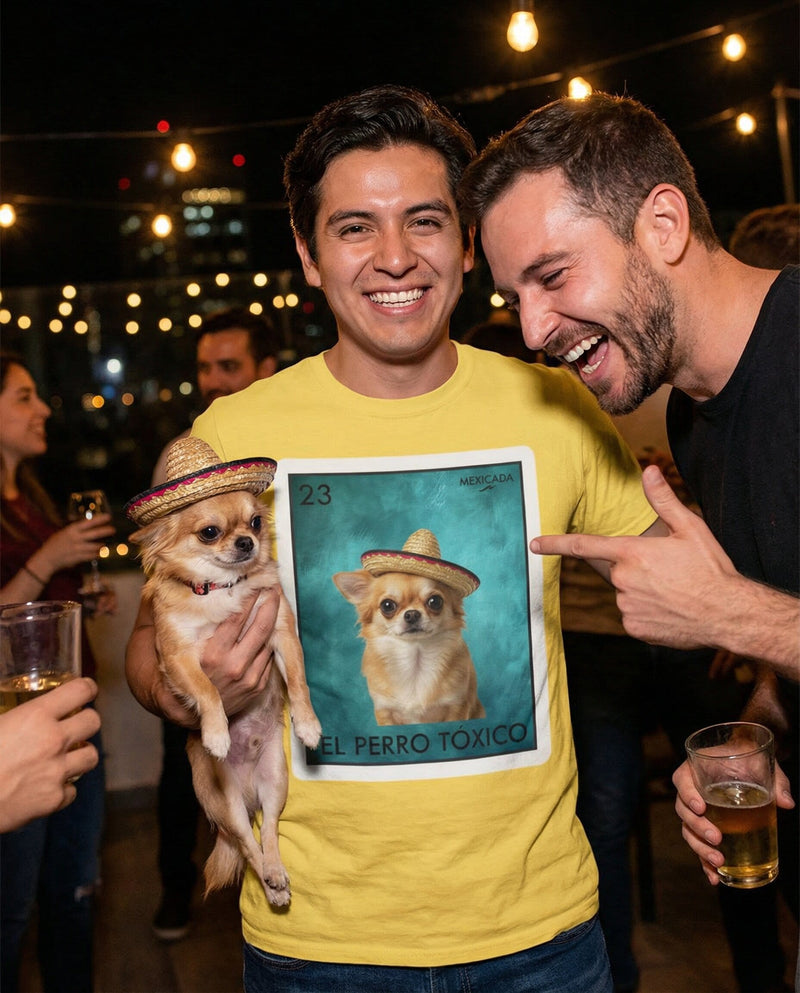

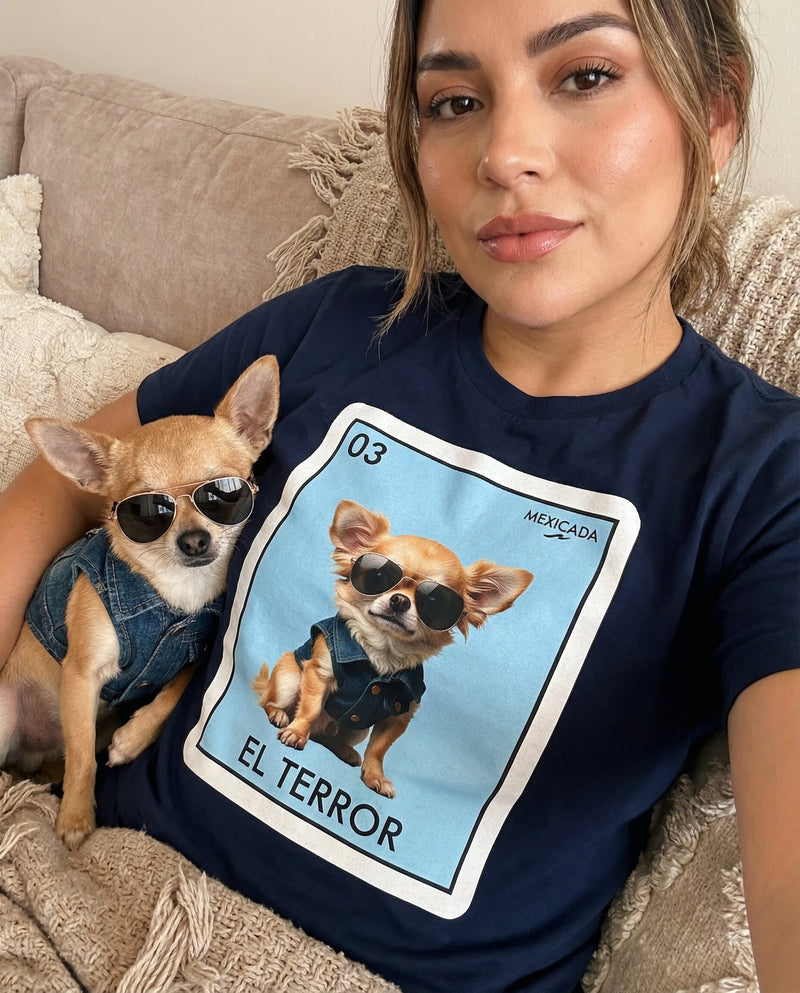

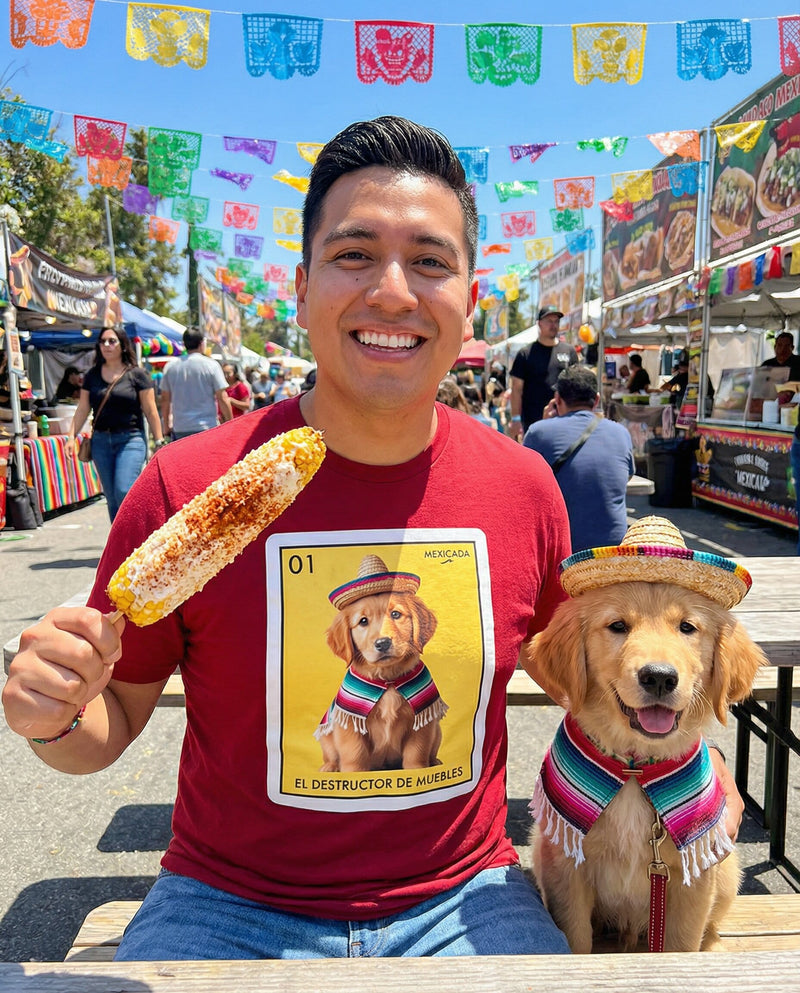


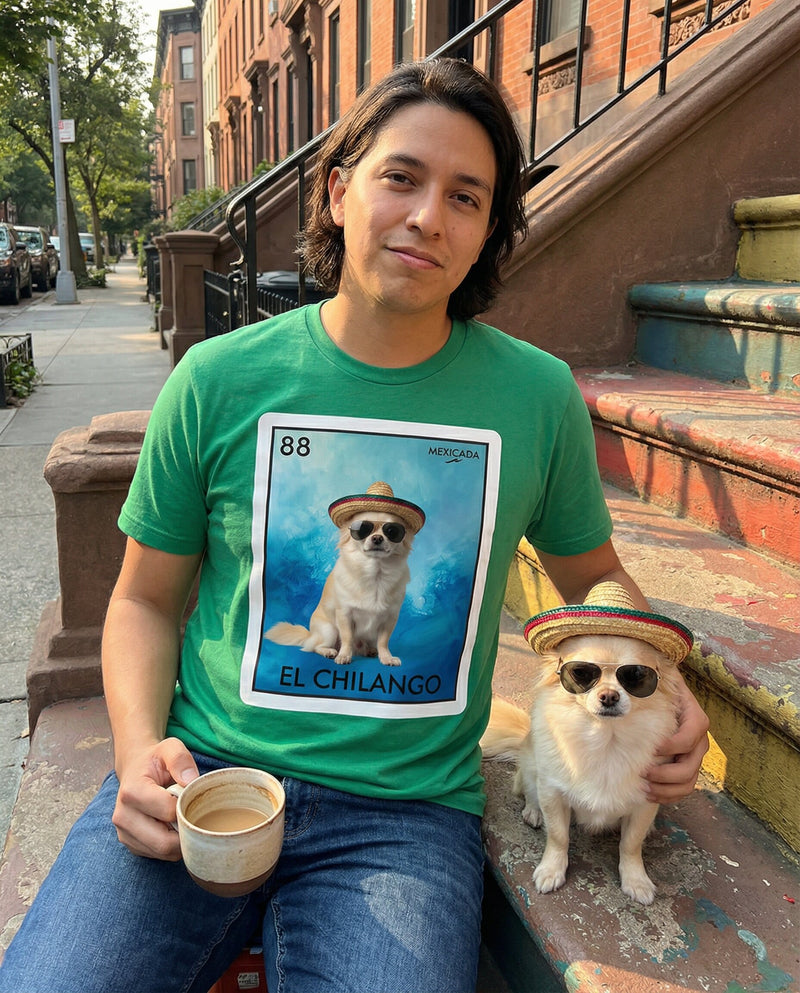


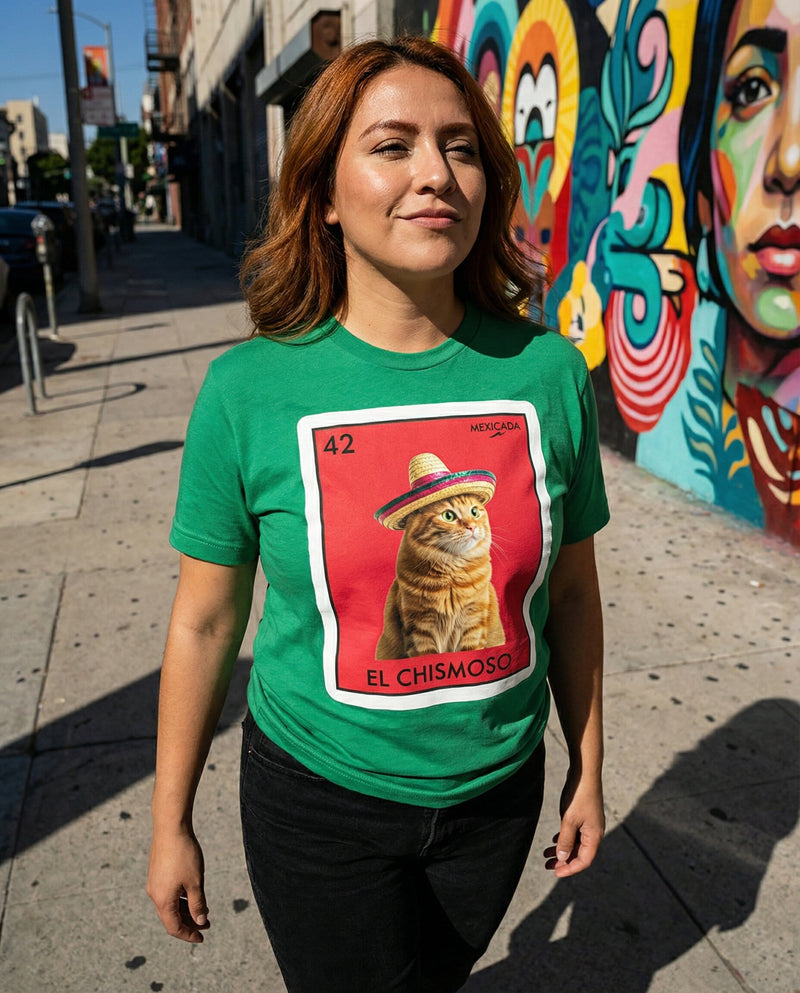
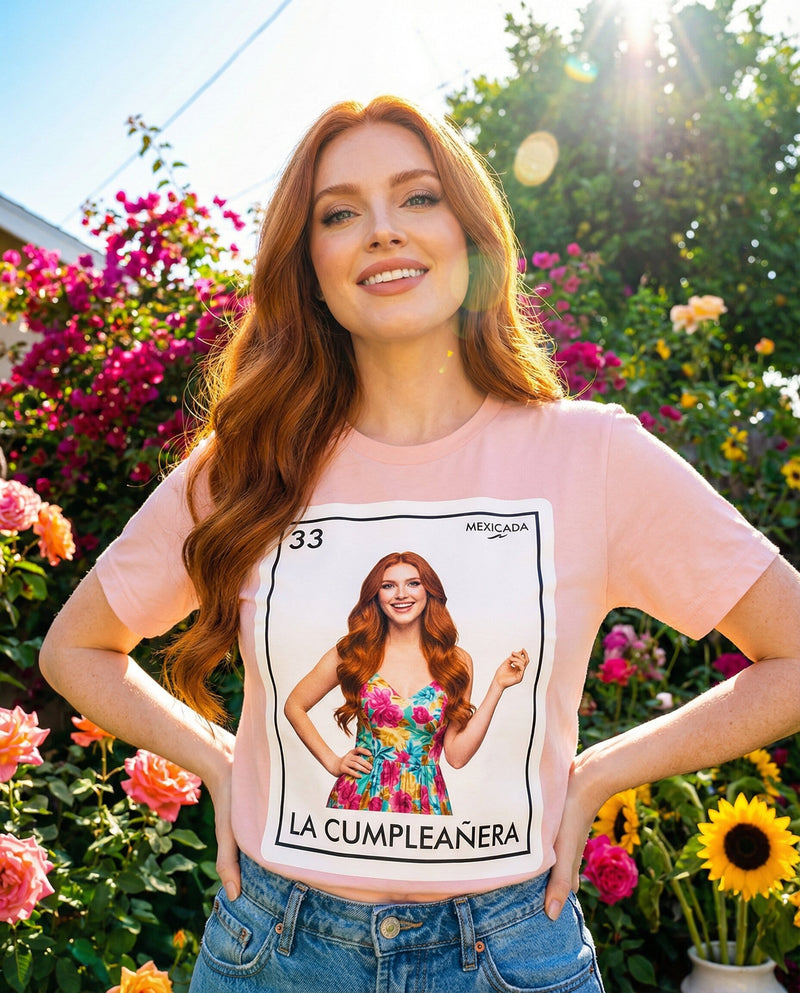

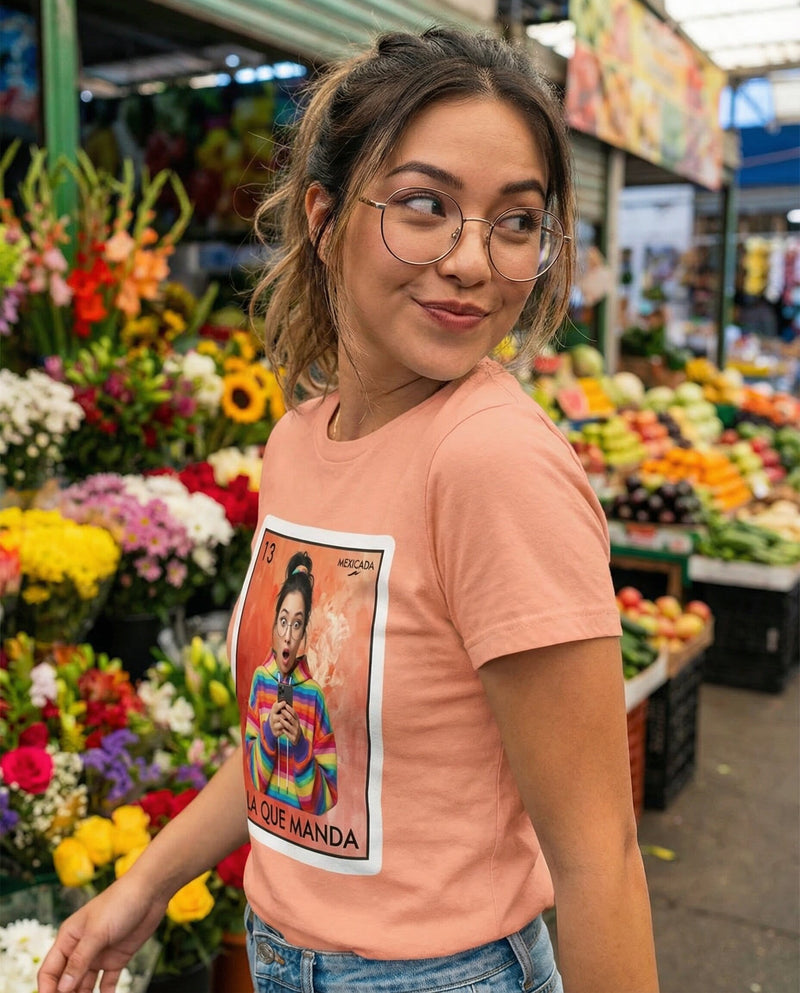
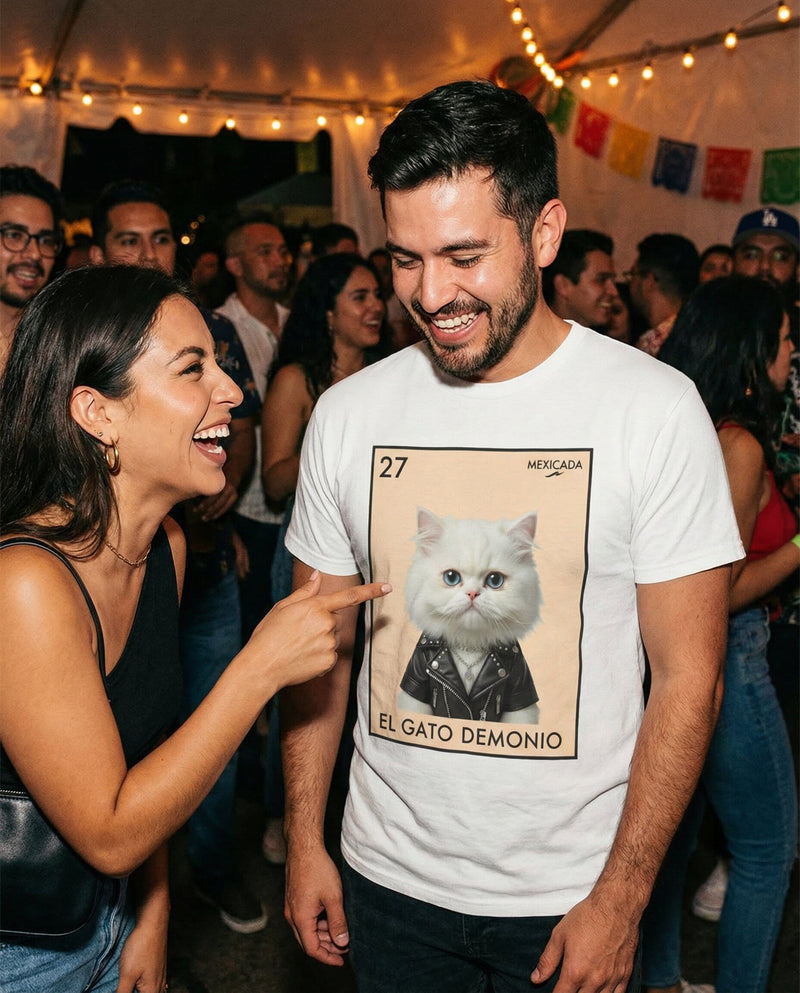
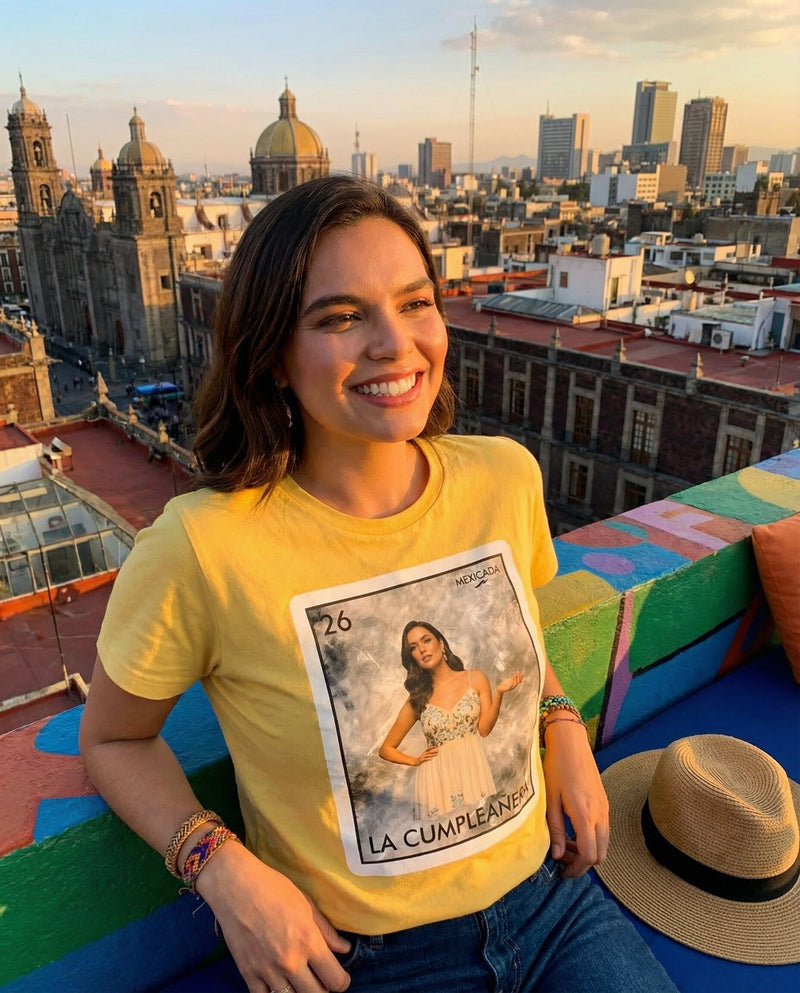
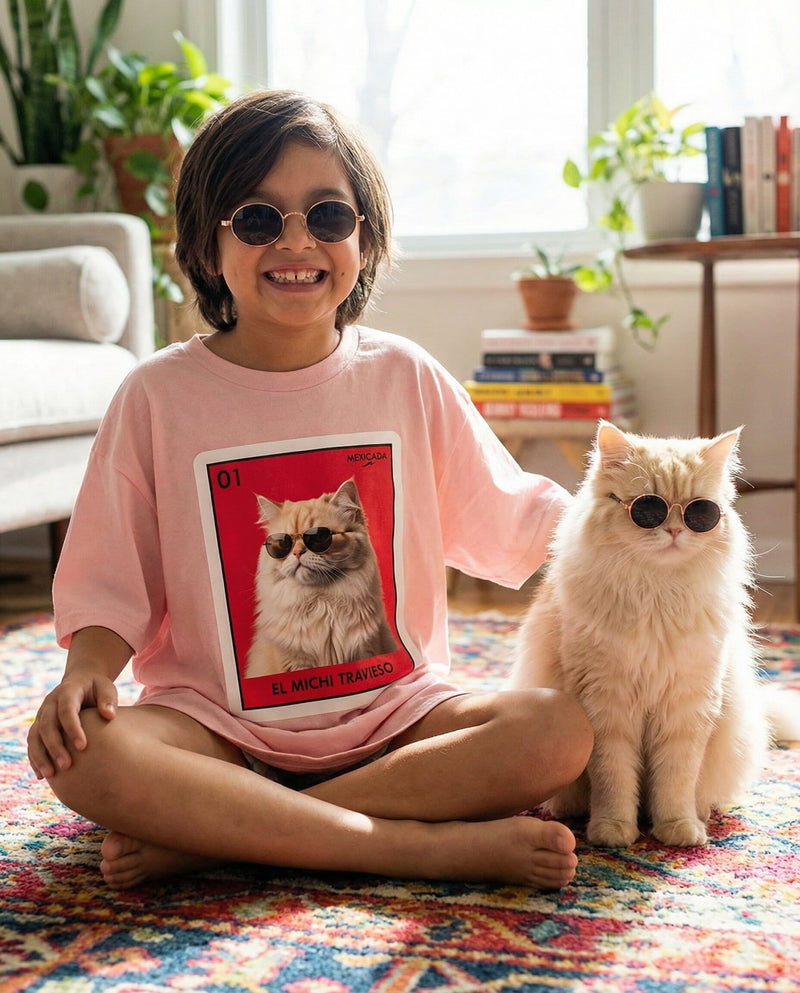
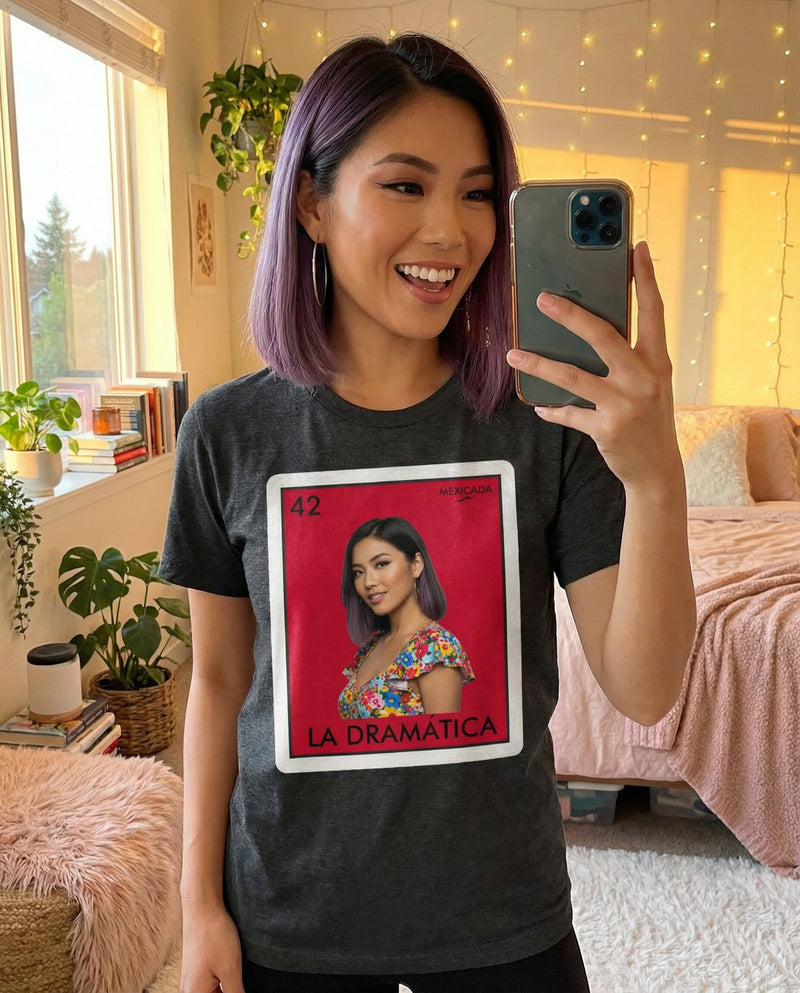


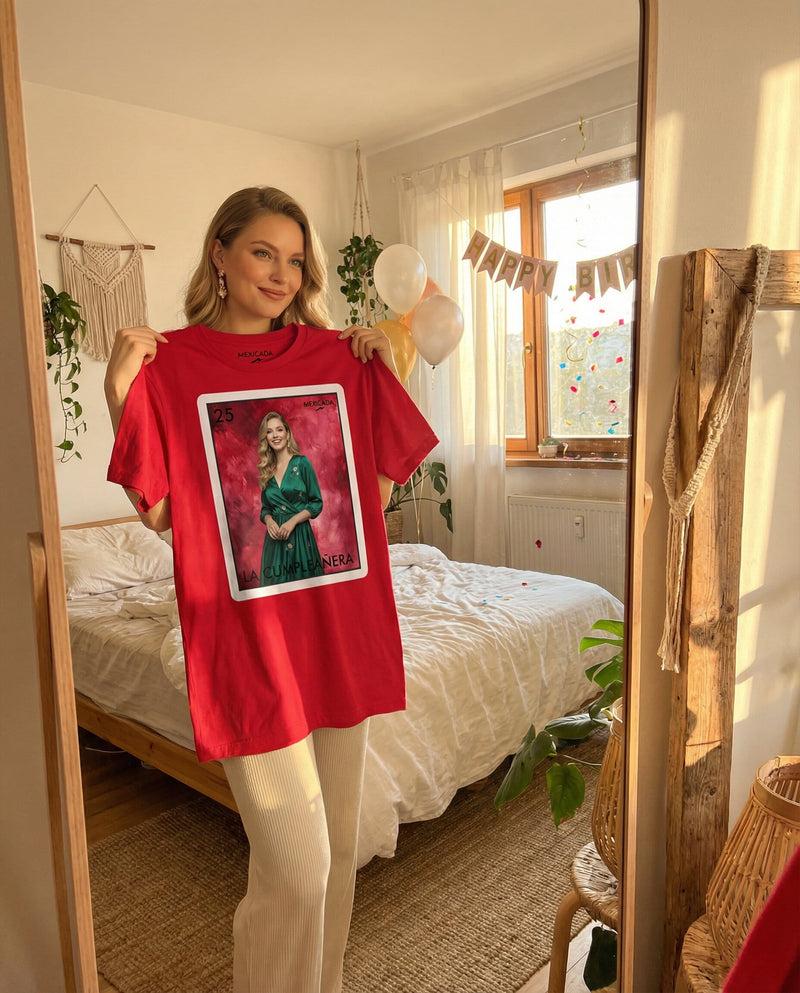


💖 Ressentez l'esprit de la Fiesta avec LA AGUILA 💖 Certains t-shirts ne sont que du tissu, mais celui-ci ? C'est un symbole de vot...
Afficher tous les détails
🦅 Embrassez l'esprit de liberté avec LA ÁGUILA 🦅 Certains t-shirts capturent un instant. Mais celui-ci ? C’est un hommage à l’espr...
Afficher tous les détails
💖 Déployez vos ailes avec La Águila 💖 Certains t-shirts ne sont que des motifs — mais celui-ci ? C’est votre esprit, votre culture...
Afficher tous les détails
💖 Ressentez l'esprit de la tradition, vivez le plaisir 💖 Chaque partie de Lotería rappelle des souvenirs — rires, compétition et c...
Afficher tous les détails
💖 Célébrez votre héritage avec une touche audacieuse 💖 Il y a un sentiment particulier quand on porte quelque chose qui est plus q...
Afficher tous les détails
💖 Un souvenir à chérir pour toujours 💖 Certains t-shirts ne sont que des vêtements, mais celui-ci ? C’est vous. C’est votre histoi...
Afficher tous les détails
💖 Incarnez l'Esprit de l'Aigle 💖 Ce n'est pas seulement un t-shirt. C'est votre chance de porter le symbole de la force, de la l...
Afficher tous les détails
💖 Prenez de la hauteur avec un morceau de tradition 💖 Certains t-shirts ne sont que des vêtements—mais celui-ci ? C’est votre lien...
Afficher tous les détails
💖 Ressentez l'esprit de liberté à chaque fois que vous le portez 💖 Certains t-shirts sont plus que de simples tissus—ils portent ...
Afficher tous les détails
💖 Libérez le scientifique qui est en vous 💖 On dit que la science est un monde à part entière, une aventure qui dévoile les mystèr...
Afficher tous les détails
💖 Pour l'Amour de la Science et du Style 💖 Certains t-shirts ne sont que des vêtements, mais celui-ci ? C’est une célébration de q...
Afficher tous les détails
💜 Libérez votre super-pouvoir avec style ! 💜 Certains jours, il faut simplement assumer le cynique qui sommeille en vous. Et maint...
Afficher tous les détails
💖 Affichez votre style, célébrez votre culture 💖 Certains t-shirts ne sont que des vêtements—mais celui-ci ? C’est votre histoire,...
Afficher tous les détails
💖 Votre Style, Votre Lotería 💖 Imaginez entrer dans une pièce et sentir tous les regards posés sur vous. Pas parce que vous essaye...
Afficher tous les détails
💖 Libérez l'icône qui est en vous 💖 Certains t-shirts ne sont que des vêtements, mais celui-ci ? C’est une affirmation de soi. Un ...
Afficher tous les détails
💖 Votre Cœur, Votre Histoire, Votre Fierté 💖 Certains t-shirts ne sont que des vêtements, mais celui-ci ? C'est bien plus. C’est v...
Afficher tous les détails
💖 Votre Style, Votre Histoire 💖 Chaque design a une histoire — mais celui-ci ? C’est une célébration de vous, enveloppée dans les ...
Afficher tous les détails
💖 La Magie de la Nostalgie et de la Culture Réunies 💖 Certains t-shirts ne sont que des vêtements—mais celui-ci ? C’est votre héri...
Afficher tous les détails
💖 Portez Votre Histoire, Vivez Votre Héritage 💖 Chaque design raconte une histoire, mais certains vont encore plus loin. Imaginez ...
Afficher tous les détails
💖 Votre Nouveau T-shirt Préféré 💖 Certains t-shirts ne sont que des vêtements—mais celui-ci ? C’est vous. C’est votre histoire, vo...
Afficher tous les détails English


Laisser un commentaire