

Carrello

What does getting older really mean? Is it a sad farewell to youth, or a moment to embrace the wisdom that comes with time? While aging is universal, the way we perceive it varies dramatically. Mexican indigenous cultures see aging as a sacred transition, filled with respect, wisdom, and celebration. In contrast, Western ideals often focus on avoiding age altogether, pushing for perpetual youth. In this article, we dive into the vibrant, respectful ways Mexican indigenous beliefs shape the experience of aging, and how they stand in stark contrast to Western ideals that prioritize anti-aging at all costs. Hold tight—things are about to get age-old!
In Mexican indigenous cultures, aging is not something to fear; it’s a stage of life that commands respect and reverence. Elders in these communities are seen as bearers of wisdom, life experience, and cultural knowledge. Their role is central to the transmission of traditions, language, and stories, ensuring that future generations stay connected to their roots. There’s no rush to "stay young"—in fact, growing older is seen as a journey toward spiritual and intellectual fulfillment. The elderly aren’t forgotten or pushed aside, they are cherished, often sought after for their guidance and insight.
Now, let’s turn to the West, where aging is often seen as something to be resisted. From anti-aging creams to surgeries that promise eternal youth, Western culture places a huge emphasis on staying young. Here, the passage of time is often associated with physical decline and loss of vitality, and getting older can feel like a “problem” to be fixed. Unlike the Mexican indigenous perspective, where age equals wisdom, the West frequently idolizes youth and beauty, and aging becomes something to be feared and avoided. In Western societies, the elderly can sometimes be marginalized, their contributions to society overlooked as the pursuit of youth takes center stage.
One major contrast between Mexican indigenous beliefs and Western ideals is the treatment of elders. In Mexico, older individuals are revered not just for their age, but for the lessons they bring with them. It’s not uncommon for community celebrations to honor those who’ve lived long lives, and ceremonies may involve blessings, offerings, or storytelling, ensuring the wisdom of past generations is passed on. On the other hand, Western societies often treat elders as out of touch or less valuable, sometimes relegating them to retirement homes or isolating them from active participation in society.
In many indigenous Mexican cultures, aging is deeply spiritual. It’s believed that as people age, they become closer to the divine, with each year bringing new layers of understanding and connection to the spiritual world. This connection with the supernatural is not just about old age; it’s about entering a stage where one’s life experiences are acknowledged as sacred. Aging, in this context, is not a loss—it’s an evolution of the spirit and a way to deepen one’s relationship with the cosmos.
In the end, the differing perspectives on aging—whether in Mexican indigenous cultures or the West—are about more than just age. They’re about how we treat one another, and how we view our place in the world as we get older. In Mexico, elders are seen as essential, their age a mark of honor and wisdom. Meanwhile, the West could learn from this by shifting away from the obsession with youth and instead celebrating the value of every stage in life. By embracing aging with respect, we could all find more joy, fulfillment, and deeper connections as we grow older.

Immagina un mondo in cui le festività natalizie non finiscono il 25 dicembre. No, señoras y señores, si est...

Una festa nel piatto: i segreti saporiti della cucina messicana Immagina di entrare in una fiesta messic...

Parti per un'avventura culinaria: le meraviglie dei frutti di mare messicani Immagina questo: sei appoll...

Parti per un'avventura culinaria: cibi messicani esotici che stuzzicheranno le tue papille gustative Se ...

Scatena la furia festosa: forniture definitive per il tuo El Día De La Raza Bash! Immaginate questo: un ...

Benvenuti nel sacro santuario dell'umorismo, dove mescoliamo la spiritualità con un pizzico di arguzia. Ogg...

Saluti, menti curiose e amanti delle feste! Oggi ci immergiamo a cucchiaio in una tradizione che prevede ca...

"Portare la festa a nuovi livelli: scopri l'emozionante mondo dei set di bastoni per piñata e bende per gli occ...

Una festa con un tocco musicale Radunatevi, amanti della Fiesta, per il paraorecchie più strano e delizi...

Il grande guacamole: scoprire l'amore per la cucina messicana Se c'è una cosa al mondo che è universalme...

Una festa saporita: alla scoperta delle delizie gastronomiche di un buffet messicano Ti è mai capitato di rit...
¡Ay, caramba! Dimentica di distruggere le tue comuni piñatas comprate al supermercato; è tempo di tuffarsi ...
Scatena la festa nella tua moda: l'edizione grembiule Pensateci. Quante volte vi siete ritrovati a girar...
Dai una scossa a questo Cinco De Mayo Nella gloriosa sinfonia di bicchieri tintinnanti e di allegria chi...

Signore e signori, ragazzi e ragazze, preparatevi mentre ci imbarchiamo in un viaggio colorato nel cuore de...
Hola amigos y amigas! Siete pronti a indossare il vostro sombrero e a scuotere le vostre maracas? Il Cinco ...

L'arredamento più dolce: trasformare la tua casa con l'agave Immagina di passeggiare tra i corridoi del ...
The Ultimate Fiesta: aggiungi ritmo alle tue riunioni di famiglia con la musica tradizionale messicana D...
Il curioso caso delle cartoline di ringraziamento per la riunione di famiglia messicana Immagina, se vuoi...
The Great Guacamole Gathering: come dare un tocco piccante alla tua riunione di famiglia messicana Immag...
Scopri i sapori del Messico: segreti piccanti ti aspettano in ogni buono! Benvenuti, avventurieri culinar...
Il colorato enigma: svelare il mondo delle piñata! Immagina un mondo senza piñata. Le feste di compleanno...
Una festa di tessuti e frange: la guida indispensabile per vestirsi in stile messicano! Benvenuti, mis a...
Scarta la Fiesta: bomboniere con un tocco piccante! Benvenuti, amigos e amigas, alla guida definitiva su...
Hai mai sorseggiato un margarita direttamente dal seno di un bicchiere di cactus mentre allegre melodie mar...
Una festa all'insegna della galleggiabilità: palloncini per El Grito! Immaginate questo: il cielo è tan...
Santo cielo, cos'è il Grito de Dolores? Ciao a tutti, appassionati di storia e fanatici delle feste! Vi ...
Boom! Fizzle! Pop! Ah, la sinfonia dei fuochi d'artificio del Giorno dell'Indipendenza messicana, un taco u...
La battaglia dei bulbi in fiore: un enigma colorato Avanti, signore e signori, nel mondo creativo e color...
Svelare i misteri delle tradizioni secolari Benvenuti, anime curiose e amanti della cultura! Vi è mai ca...
Scatena la tua festa interiore con stravaganti accessori per il photo booth! Immagina questo: sei a una ...
Che la festa abbia inizio: un viaggio fotografico attraverso le celebrazioni indigene del Messico Signore...
Scatena lo chef che è in te con i sapori antichi: un assaggio del Messico indigeno Immagina di brandire u...
La vasta gamma di espressioni culturali Immagina questo: stai scorrendo infinite pagine di arte murale i...
Oh mio Dio, prendi il tuo sombrero e un espresso, perché avrai bisogno di entrambe le mani libere per applau...
Ti è mai capitato di sederti a una cena, guardare il tavolo e pensare: "Cavolo, vorrei tanto vedere di più ...
Certo! Eccoci qui: Il ritmo della tradizione: alla scoperta del vivace patrimonio musicale del Messico ...
Signore, signori e tutti coloro che amano le feste, avvicinatevi perché stiamo per svelare il vivace arazzo...
Alla scoperta del tesoro: il mondo stravagante dell'artigianato indigeno messicano Prendetevi un momento...
Signore e signori, tenete i vostri tacos e preparatevi per un viaggio pirotecnico che non avete chiesto, ma...
Ammettiamolo, amigos e amigas: quando si tratta di ravvivare una fiesta, poche cose gridano "Viva il Messic...
Quando il cielo brilla: abbracciare il Fuego con una risata e una fibbia Siete mai stati a una festa mess...
Il fascino esplosivo dei cieli notturni messicani Se gli incantevoli paesaggi del Messico e le delizie c...
Svelare i fili del tempo con i manifesti indigeni messicani Perché gli antichi geroglifici egizi o le mi...
Benvenuti, lettori curiosi, nel mondo stravagante del benessere, dove l'antica saggezza incontra le risate ...
Accendi la notte con una scintilla Immagina questo: sei a casa, l'orologio batte l'ora per dare inizio a...
Il dibattito sulle fontane luminose: perché i fuochi d'artificio al chiuso sono ormai una tradizione Imm...
Esplodere di eccitazione: perché la tua festa ha bisogno di fuochi d'artificio Immaginate questo: siete ...
Signore, signori e appassionati di fuochi d'artificio di tutte le età, radunatevi! Siete stanchi delle soli...
Ammettiamolo, l'unica cosa che oscura lo spettacolo scintillante dei fuochi d'artificio è l'esibizione dell...
Creazioni della community



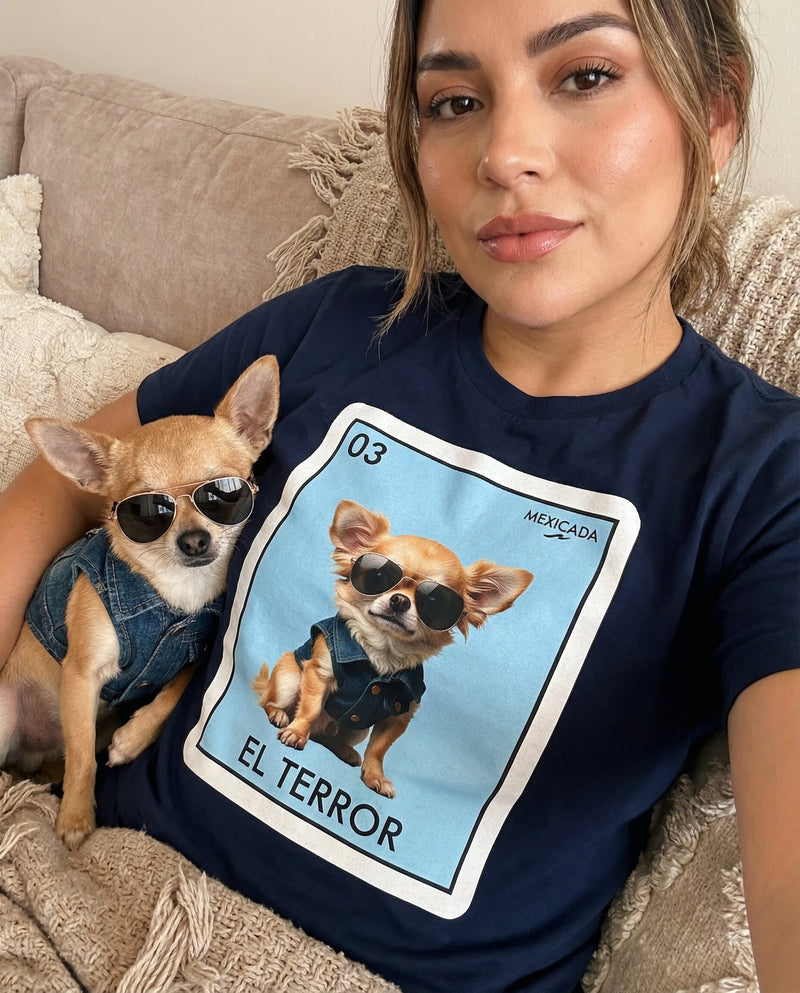

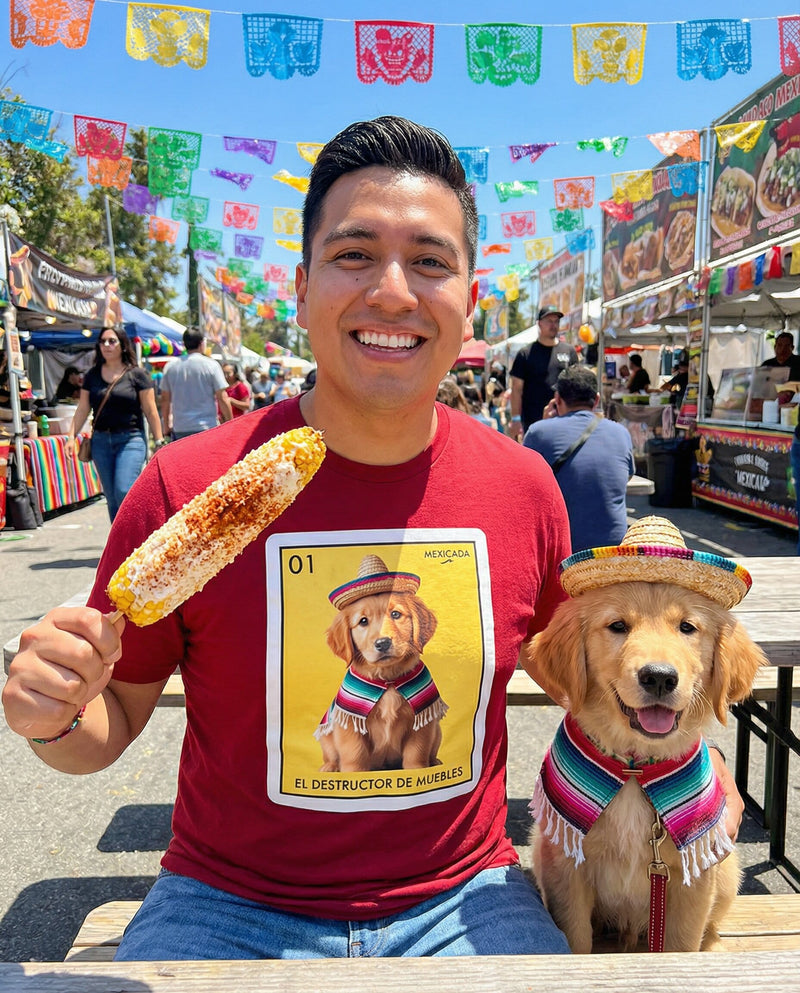


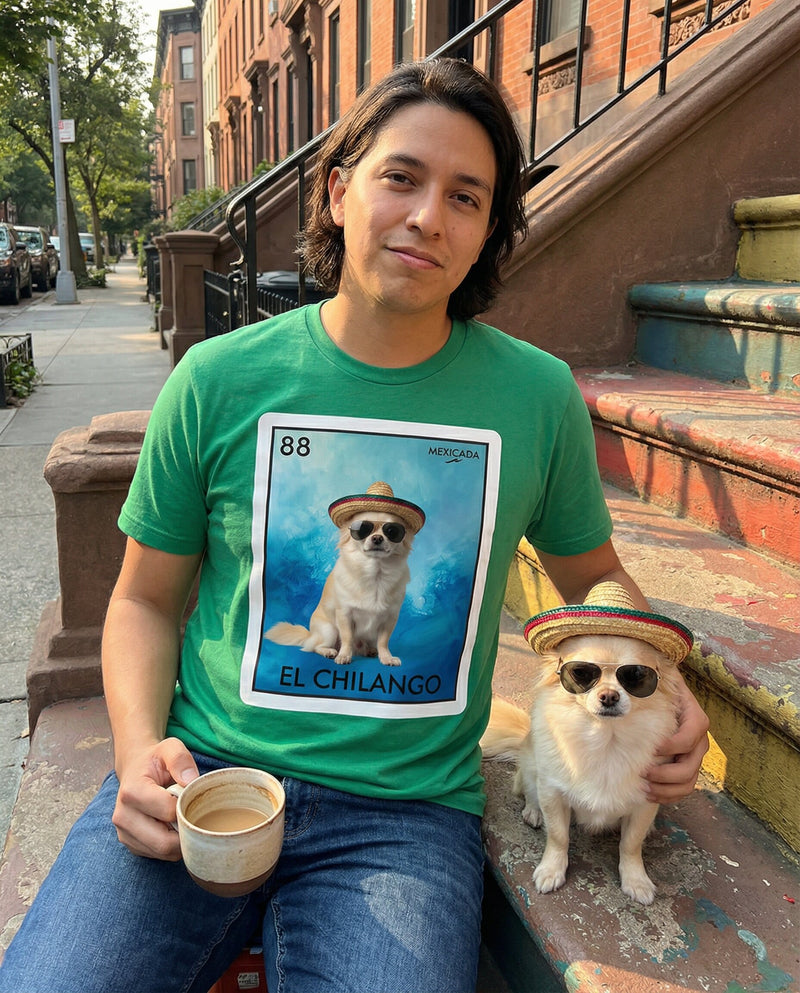


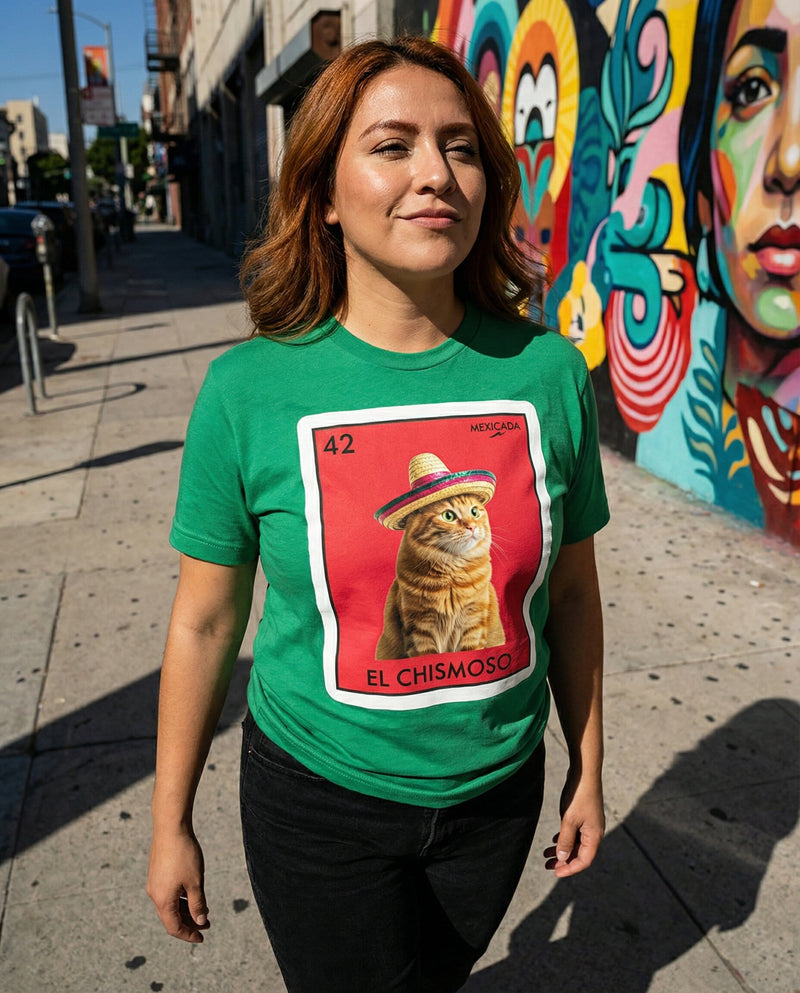


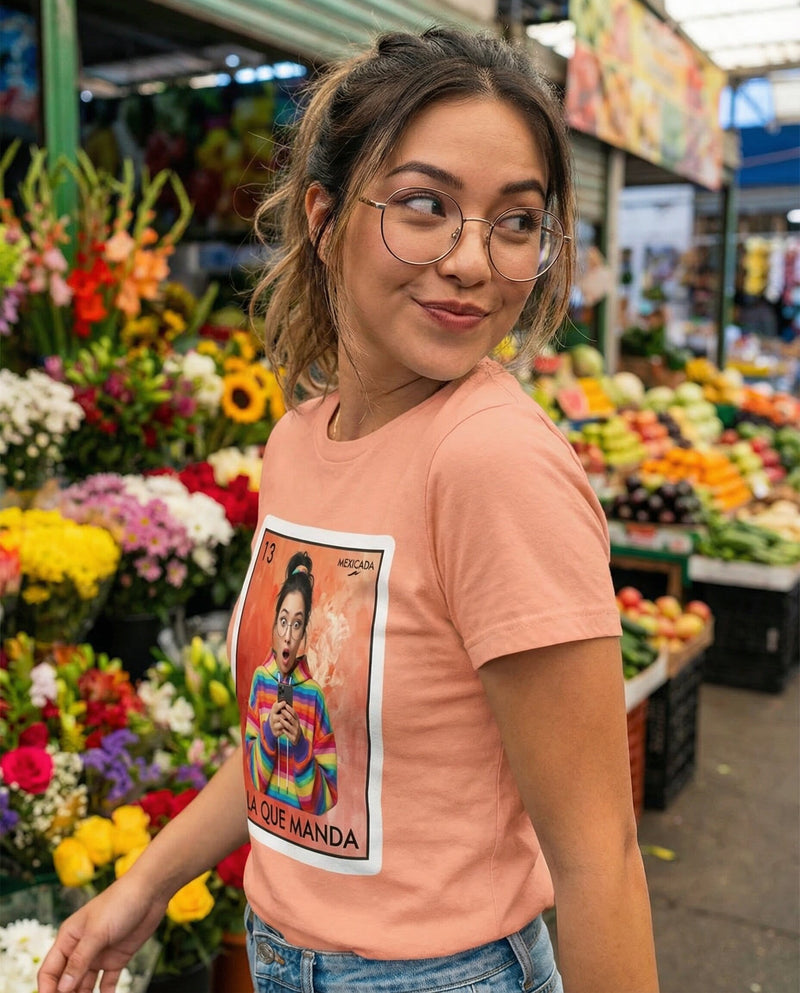
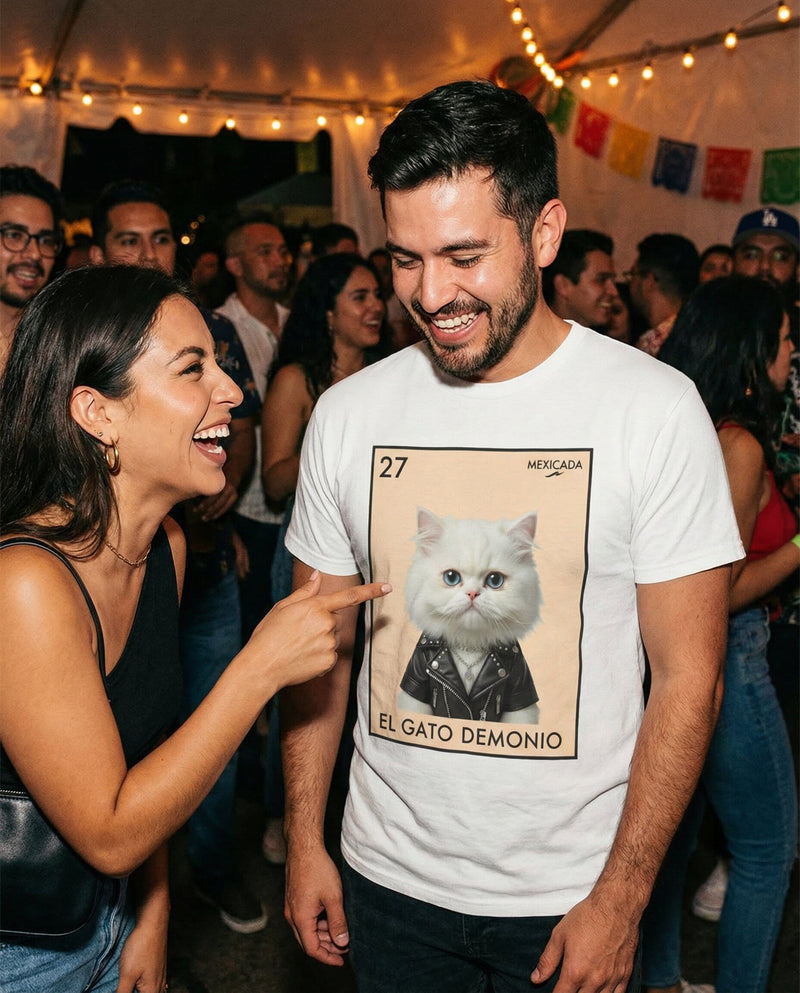
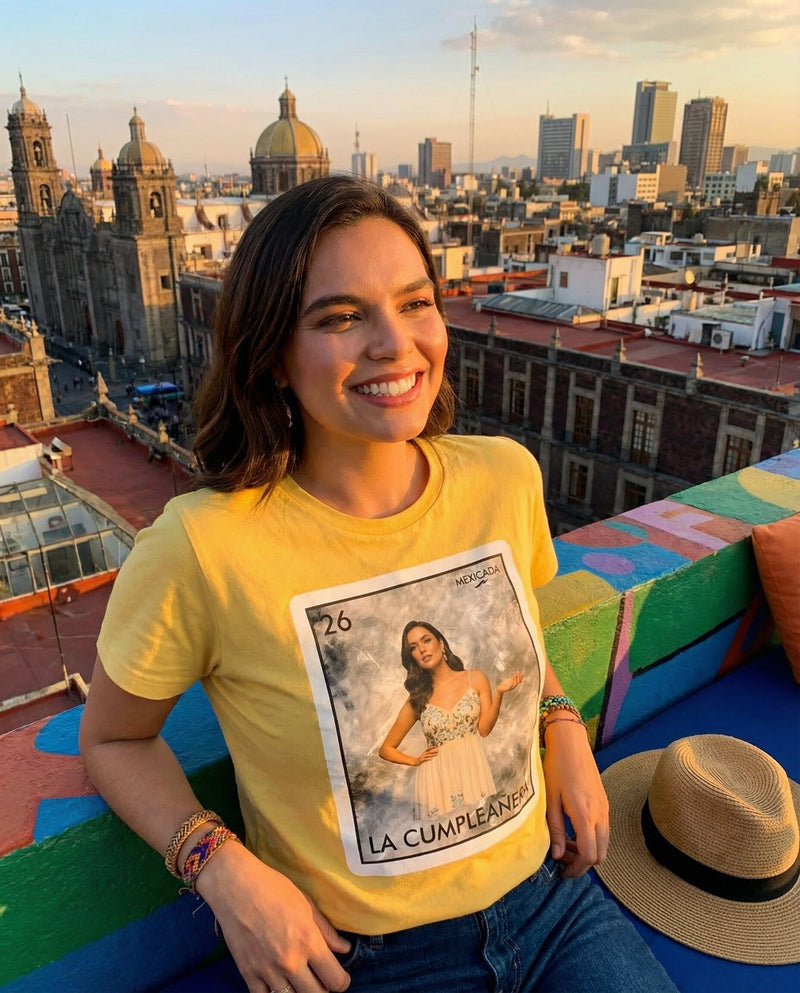
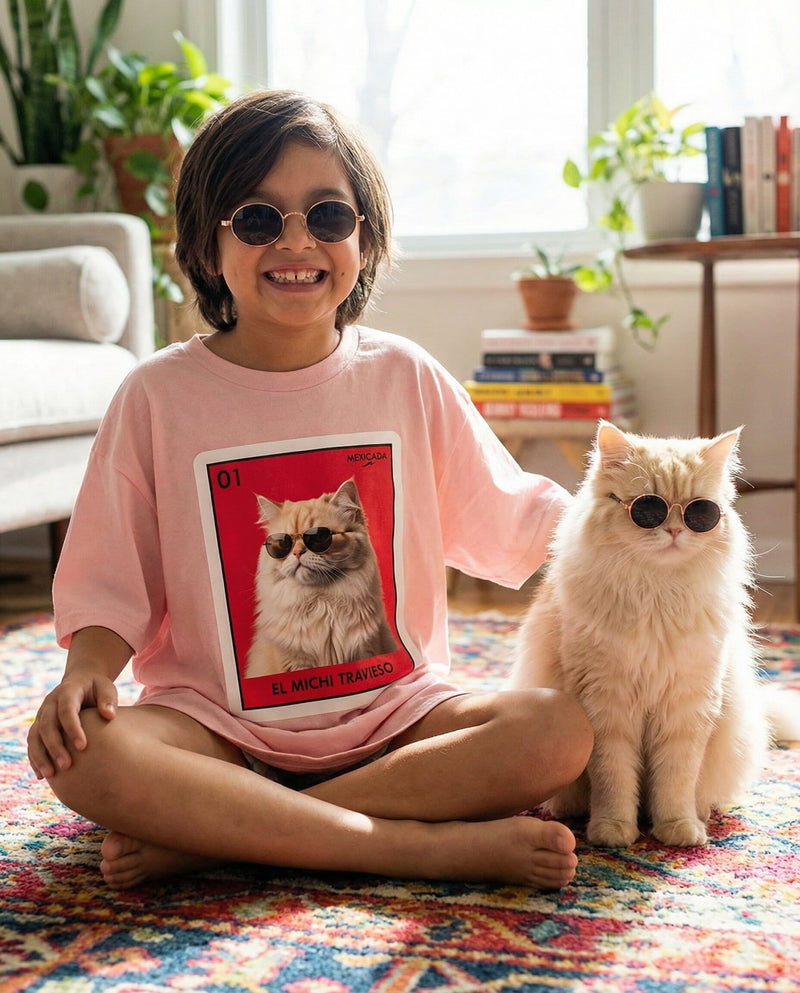
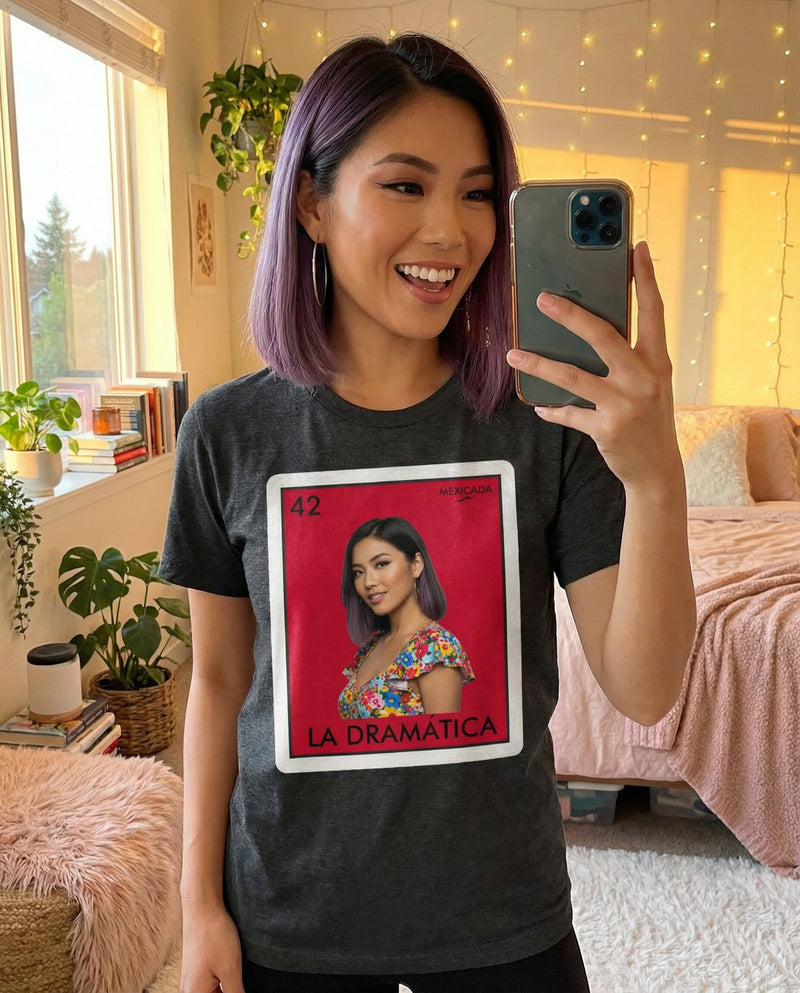


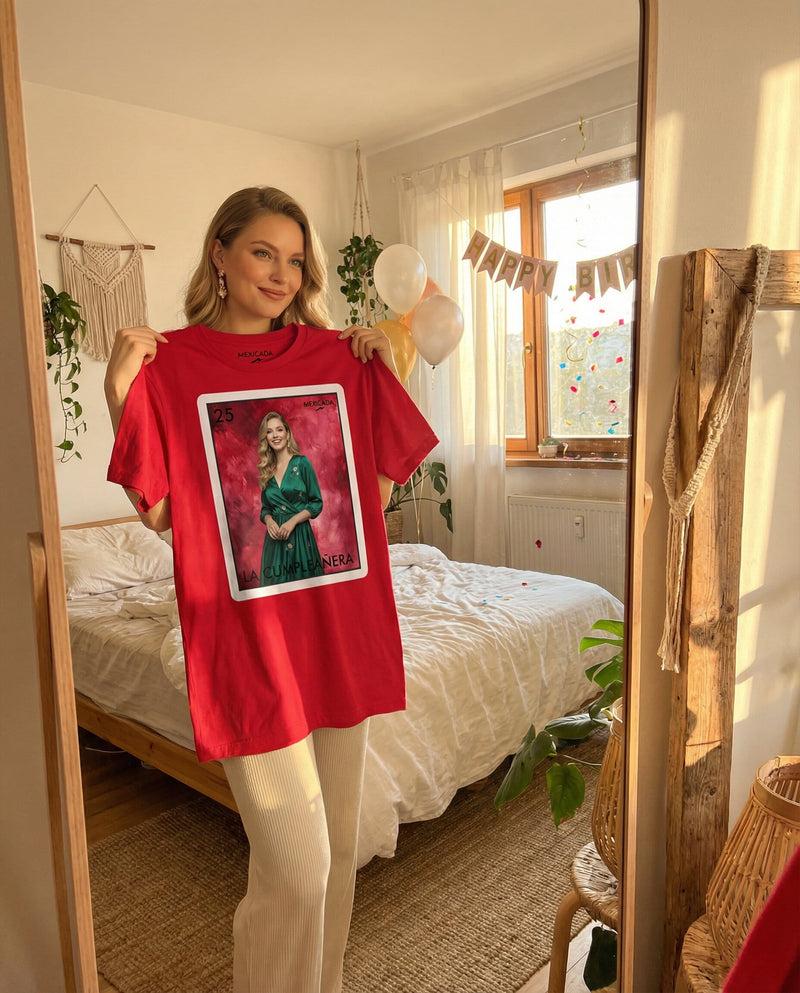


💖 Senti lo Spirito della Fiesta con LA AGUILA 💖 Alcune magliette sono solo tessuto, ma questa? È un simbolo della tua eredità, de...
Visualizza tutti i dettagli
🦅 Abbraccia lo Spirito di Libertà con LA ÁGUILA 🦅 Alcune magliette catturano un momento. Ma questa? È un omaggio allo spirito aud...
Visualizza tutti i dettagli
💖 Spiega le Ali con La Águila 💖 Alcune magliette sono solo dei disegni, ma questa? È il tuo spirito, la tua cultura, il tuo orgog...
Visualizza tutti i dettagli
💖 Senti lo Spirito della Tradizione, Vivi il Divertimento 💖 Ogni partita di Lotería porta con sé ricordi: risate, competizione e ...
Visualizza tutti i dettagli
💖 Abbraccia la Tua Eredità con un Tocco Audace 💖 C'è una sensazione che provi quando indossi qualcosa che è più di un semplice tes...
Visualizza tutti i dettagli
💖 Un Ricordo che Puoi Conservare per Sempre 💖 Alcune magliette sono solo vestiti, ma questa? È te. È la tua storia, la tua cultur...
Visualizza tutti i dettagli
💖 Abbraccia lo Spirito dell'Aquila 💖 Questa non è solo una maglietta. Questa è la tua occasione per indossare il simbolo di for...
Visualizza tutti i dettagli
💖 Vola Alto con un Pezzo di Tradizione 💖 Alcune maglie sono solo vestiti—ma questa? È il tuo legame con la tua eredità. Con il des...
Visualizza tutti i dettagli
💖 Senti lo Spirito di Libertà ad Ogni Indosso 💖 Alcune magliette sono più che semplici tessuti: portano con sé storie, cultura e...
Visualizza tutti i dettagli
💖 Scatena lo Scienziato che è in Te 💖 Dicono che la scienza sia un mondo a sé stante—un'avventura che svela i misteri della vita....
Visualizza tutti i dettagli
💖 Per Amore della Scienza e dello Stile 💖 Alcune magliette sono solo vestiti, ma questa? È una celebrazione di chi sei: un clinic...
Visualizza tutti i dettagli
💜 Scatena il Tuo Superpotere con Stile! 💜 Certe giornate, devi semplicemente abbracciare il cinico che è in te. E ora, puoi indos...
Visualizza tutti i dettagli
💖 Indossa la Tua Essenza, Abbraccia la Tua Cultura 💖 Alcune magliette sono solo magliette—ma questa? È la tua storia, che prende ...
Visualizza tutti i dettagli
💖 La Tua Vibrazione, La Tua Lotería 💖 Immagina di entrare in una stanza e sentire tutti gli occhi puntati su di te. Non perché ci...
Visualizza tutti i dettagli
💖 Scatena l'Icona che è in Te 💖 Alcune magliette sono solo vestiti, ma questa? È una dichiarazione. Un audace mix di divertimento...
Visualizza tutti i dettagli
💖 Il Tuo Cuore, La Tua Storia, Il Tuo Orgoglio 💖 Alcune magliette sono solo magliette, ma questa? È di più. È la tua personale ce...
Visualizza tutti i dettagli
💖 Il Tuo Stile, La Tua Storia 💖 Ogni design ha una storia, ma questo? È una celebrazione di te, racchiusa nei colori vivaci e nel...
Visualizza tutti i dettagli
💖 La Magia della Nostalgia e della Cultura Combinate 💖 Alcune magliette sono solo vestiti—ma questa? È la tua eredità. È una gioio...
Visualizza tutti i dettagli
💖 Indossa la Tua Storia, Vivi la Tua Eredità 💖 Ogni design racconta una storia, ma alcuni vanno ancora più in profondità. Immagin...
Visualizza tutti i dettagli
💖 La Tua Nuova T-Shirt Preferita 💖 Alcune magliette sono solo vestiti—ma questa? È te. È la tua storia, il tuo stile, le tue radi...
Visualizza tutti i dettagli English


Lascia un commento