

Cart

In Western culture, getting older is often seen as a negative thing. As the years pass, society’s obsession with eternal youth continues to grow, and for some, the solution is plastic surgery. But, what happens when we take drastic measures to reverse the clock? Is the decision to "turn back time" purely about appearance, or does it tap into deeper psychological needs? Let’s take a dive into the psychological effects of plastic surgery in relation to aging.
For many people, aging doesn’t just mean the loss of physical youth—it feels like losing their place in the world. The face in the mirror becomes a constant reminder of time passing, and with it, a fear of becoming irrelevant or invisible. Plastic surgery promises a way to hold back the inevitable tide of age, offering the hope that external changes can bring internal renewal. But, is it all about looking younger or feeling younger, too?
As we age, life often feels like it's slipping out of our control. Jobs, relationships, health—many factors seem to be constantly shifting. One of the main psychological effects of seeking plastic surgery is the desire to regain control. By altering how we look, we attempt to wrestle back some power over the passage of time. In a society that often values youth, cosmetic changes can feel like a rebellion against the "rules" of aging. But is it enough to simply change how we look on the outside to feel better on the inside?
The pressure to remain youthful in Western society is not just internal—it’s also external. From celebrities to Instagram influencers, the media constantly reinforces the idea that only the young and flawless are worth celebrating. This societal pressure to stay youthful can create a vicious cycle where individuals feel they must undergo surgery to keep up. But what happens when the pursuit of beauty leads to dissatisfaction? For some, the changes are only skin deep, and the constant search for perfection can actually worsen self-esteem. The problem isn’t the wrinkle on the forehead, but the worry that it signals an inability to keep up with an ever-demanding world.
While plastic surgery can certainly create physical changes, the psychological effects aren’t always so clear-cut. In some cases, individuals may feel more confident and content with their appearance after a procedure. For others, however, the relief is only temporary. The pressure to remain "perfect" can quickly become a never-ending cycle, with one procedure leading to another in an attempt to fix perceived flaws. The psychological toll of this constant pursuit can be significant, leaving some individuals more stressed and unhappy than before their surgeries. In the end, the desire to look younger often masks a deeper longing for self-acceptance and peace with aging.
The psychological effects of plastic surgery in Western culture are complex. While it can offer a temporary boost to self-esteem, the real challenge lies in the pressure to conform to a youth-obsessed culture. It’s important to ask whether changing how we look truly changes how we feel. For many, the pursuit of eternal youth might not be the answer—embracing the wisdom that comes with age, wrinkles and all, might just lead to a more peaceful and satisfying life.

Listen Now 0:00 0m 00s left – 0:00 ...

Listen Now 0:00 0m 00s left – 0:00 ...

Listen Now 0:00 0m 00s left – 0:00 ...

Listen Now 0:00 0m 00s left – 0:00 ...

Listen Now 0:00 0m 00s left – 0:00 ...

Listen Now 0:00 0m 00s left – 0:00 ...

Listen Now 0:00 0m 00s left – 0:00 ...

Listen Now 0:00 0m 00s left – 0:00 ...

Listen Now 0:00 0m 00s left – 0:00 ...

Listen Now 0:00 0m 00s left – 0:00 ...

Listen Now 0:00 0m 00s left – 0:00 ...
Listen Now 0:00 0m 00s left – 0:00 ...
Listen Now 0:00 0m 00s left – 0:00 ...

Listen Now 0:00 0m 00s left – 0:00 ...
Listen Now 0:00 0m 00s left – 0:00 ...

Listen Now 0:00 0m 00s left – 0:00 ...
Listen Now 0:00 0m 00s left – 0:00 ...
Listen Now 0:00 0m 00s left – 0:00 ...
Listen Now 0:00 0m 00s left – 0:00 ...
Listen Now 0:00 0m 00s left – 0:00 ...
Listen Now 0:00 0m 00s left – 0:00 ...
Listen Now 0:00 0m 00s left – 0:00 ...
Listen Now 0:00 0m 00s left – 0:00 ...
Listen Now 0:00 0m 00s left – 0:00 ...
Listen Now 0:00 0m 00s left – 0:00 ...
Listen Now 0:00 0m 00s left – 0:00 ...
Listen Now 0:00 0m 00s left – 0:00 ...
Listen Now 0:00 0m 00s left – 0:00 ...
Listen Now 0:00 0m 00s left – 0:00 ...
Listen Now 0:00 0m 00s left – 0:00 ...
Listen Now 0:00 0m 00s left – 0:00 ...
Listen Now 0:00 0m 00s left – 0:00 ...
Listen Now 0:00 0m 00s left – 0:00 ...
Listen Now 0:00 0m 00s left – 0:00 ...
Listen Now 0:00 0m 00s left – 0:00 ...
Listen Now 0:00 0m 00s left – 0:00 ...
Listen Now 0:00 0m 00s left – 0:00 ...
Listen Now 0:00 0m 00s left – 0:00 ...
Listen Now 0:00 0m 00s left – 0:00 ...
Listen Now 0:00 0m 00s left – 0:00 ...
Listen Now 0:00 0m 00s left – 0:00 ...
Listen Now 0:00 0m 00s left – 0:00 ...
Listen Now 0:00 0m 00s left – 0:00 ...
Listen Now 0:00 0m 00s left – 0:00 ...
Listen Now 0:00 0m 00s left – 0:00 ...
Listen Now 0:00 0m 00s left – 0:00 ...
Listen Now 0:00 0m 00s left – 0:00 ...
Listen Now 0:00 0m 00s left – 0:00 ...
Listen Now 0:00 0m 00s left – 0:00 ...
Designs from the Community

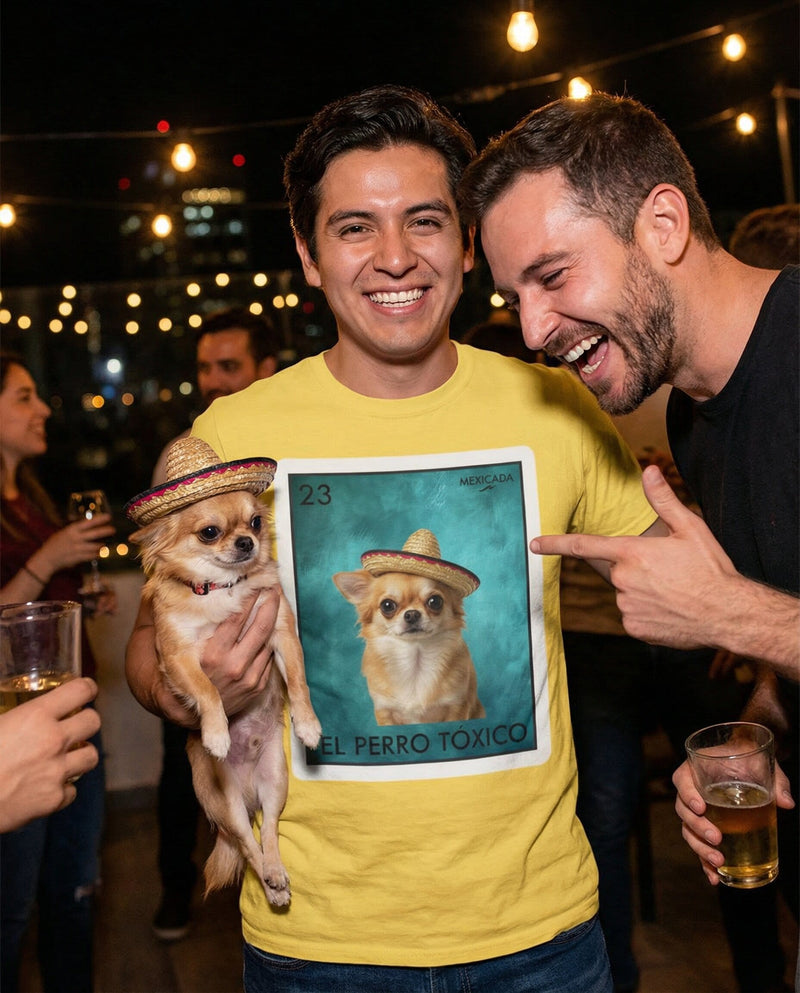

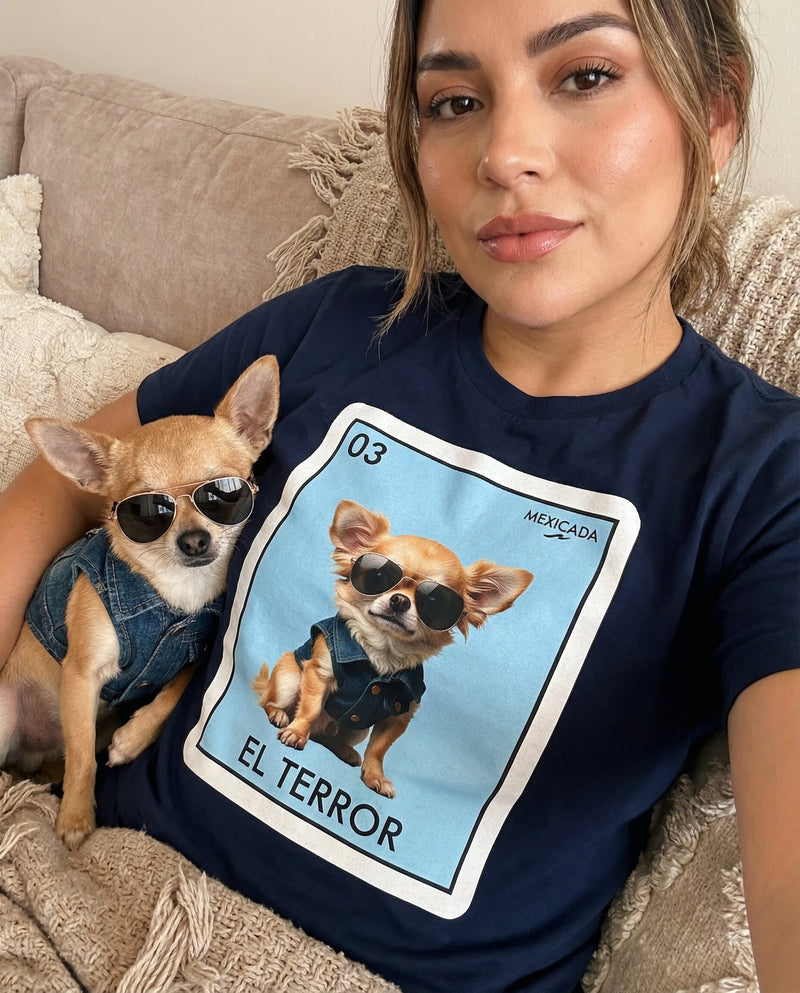

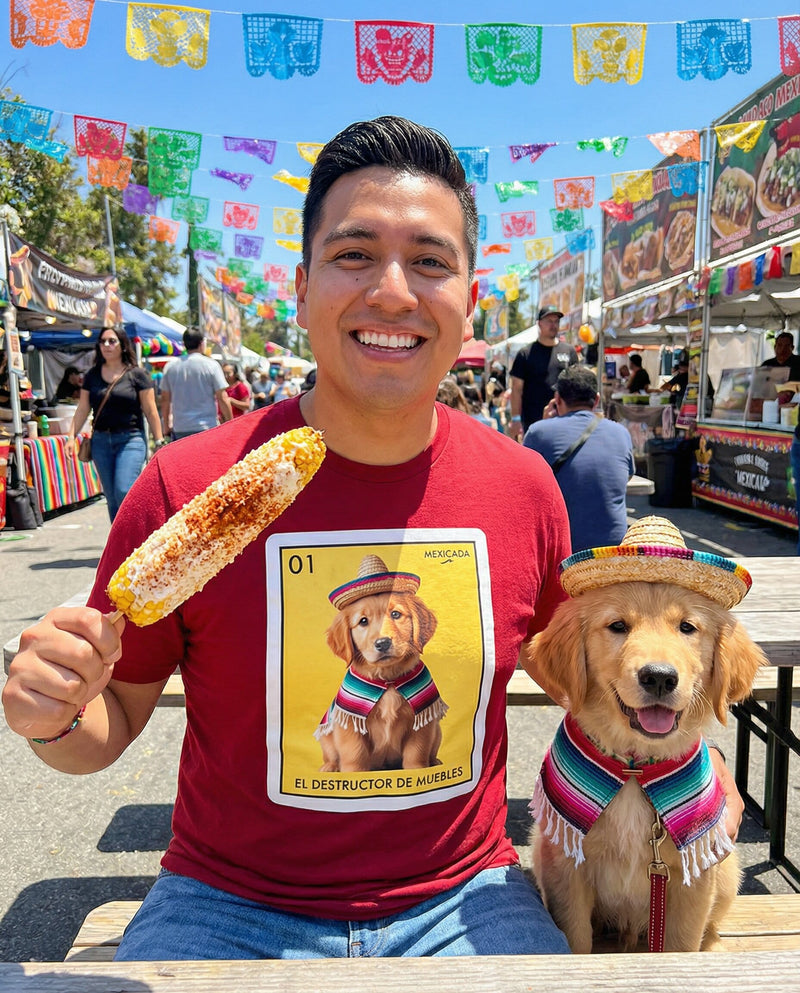


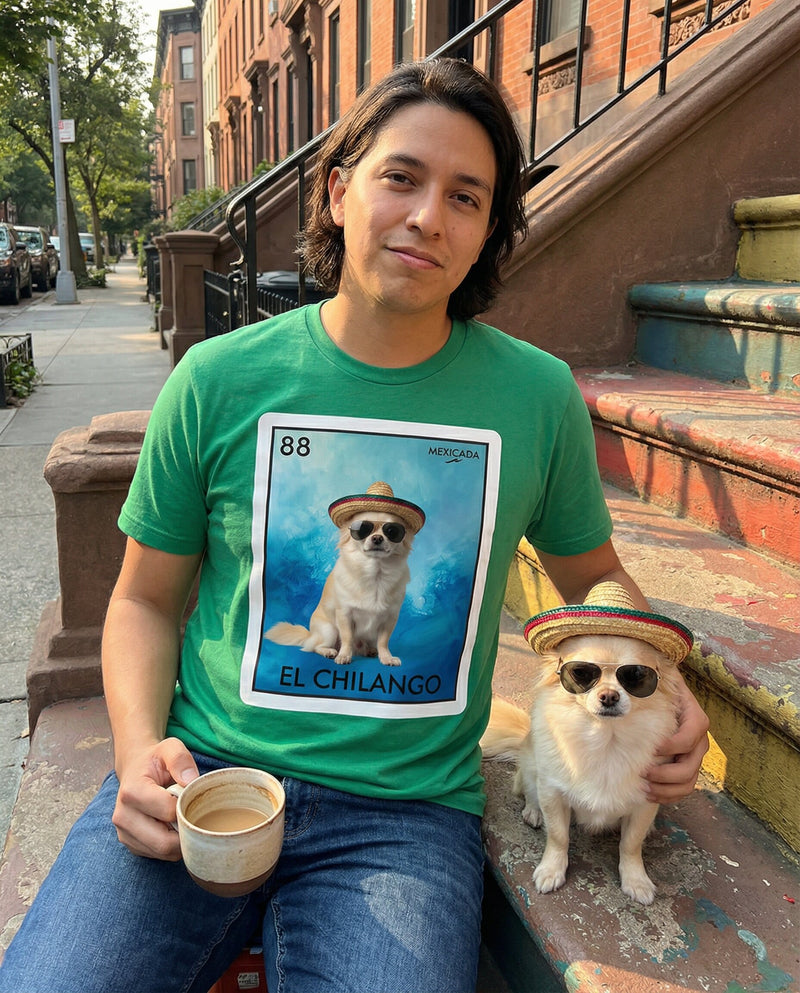


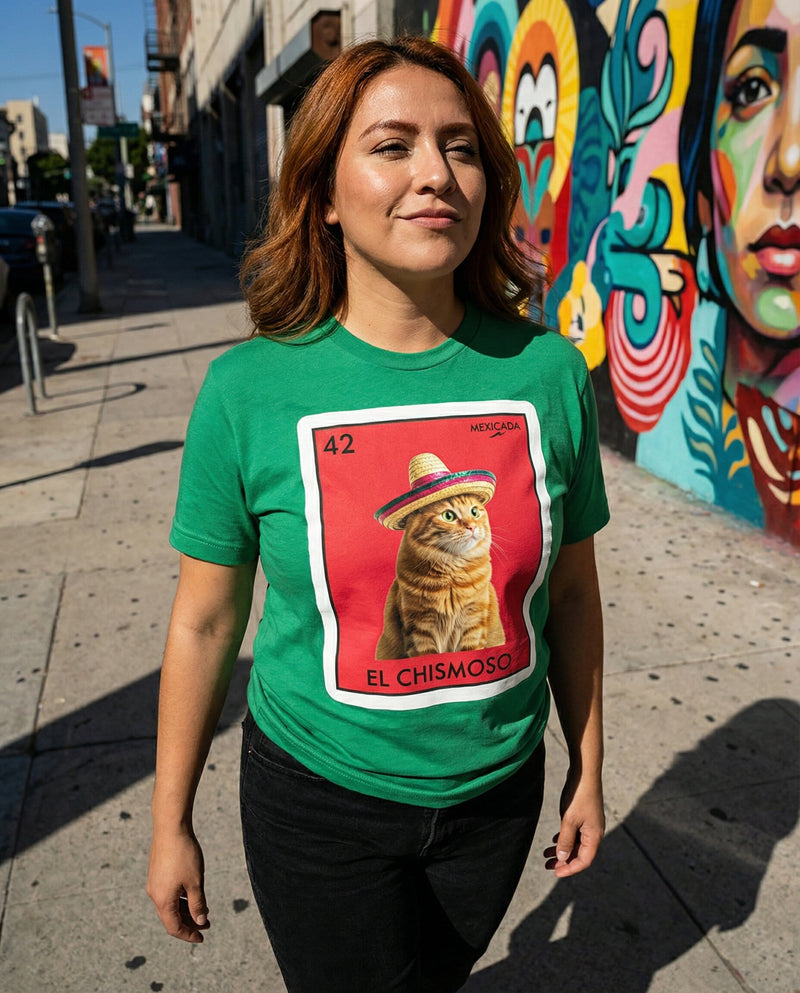
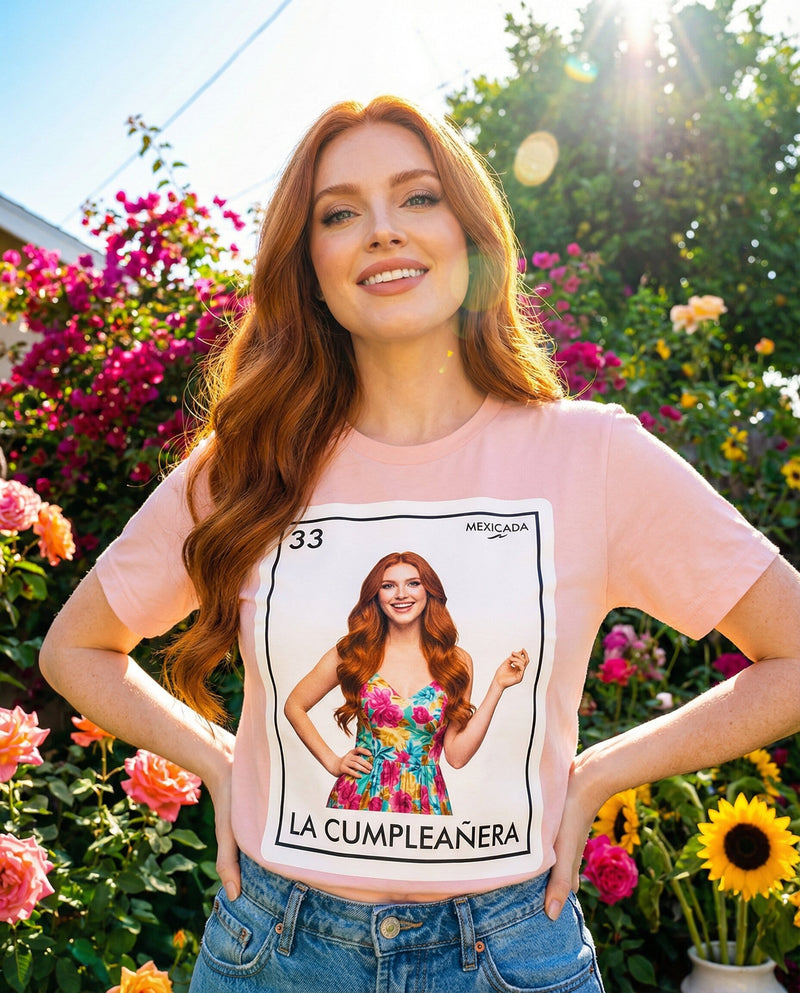

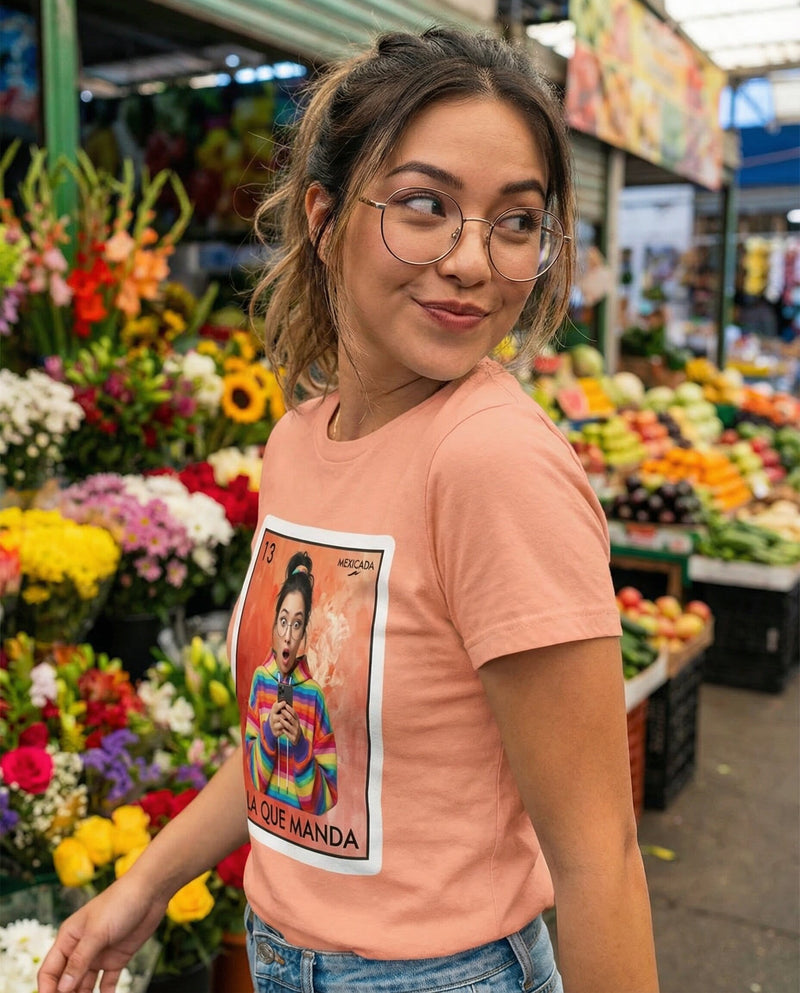
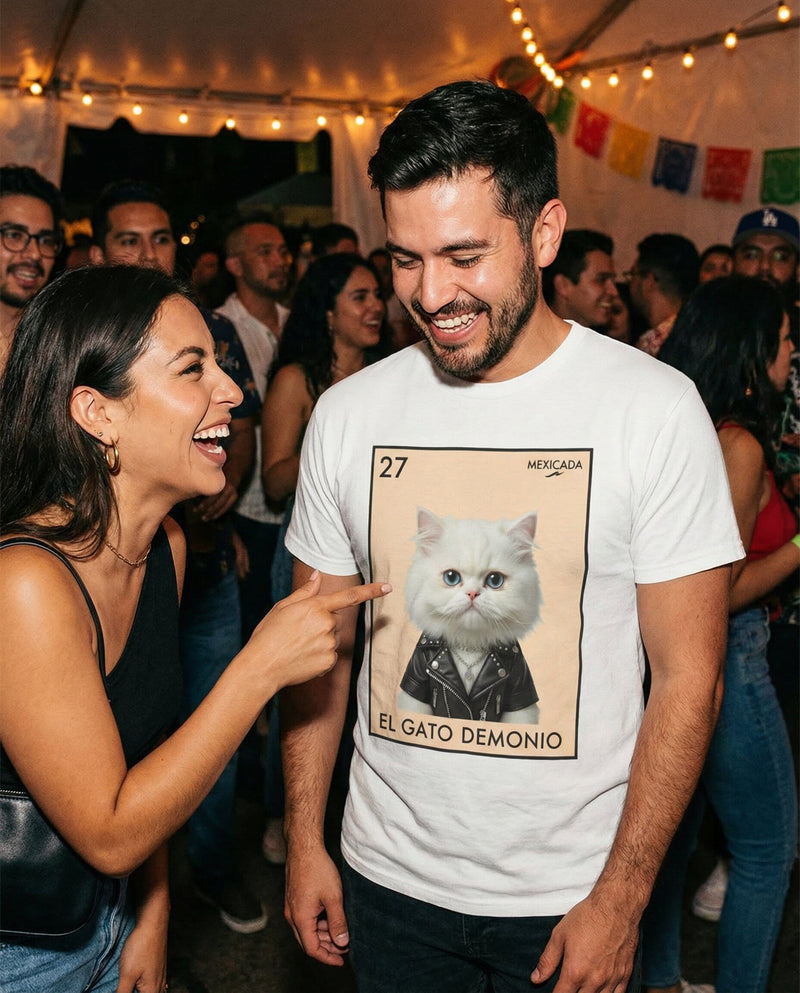
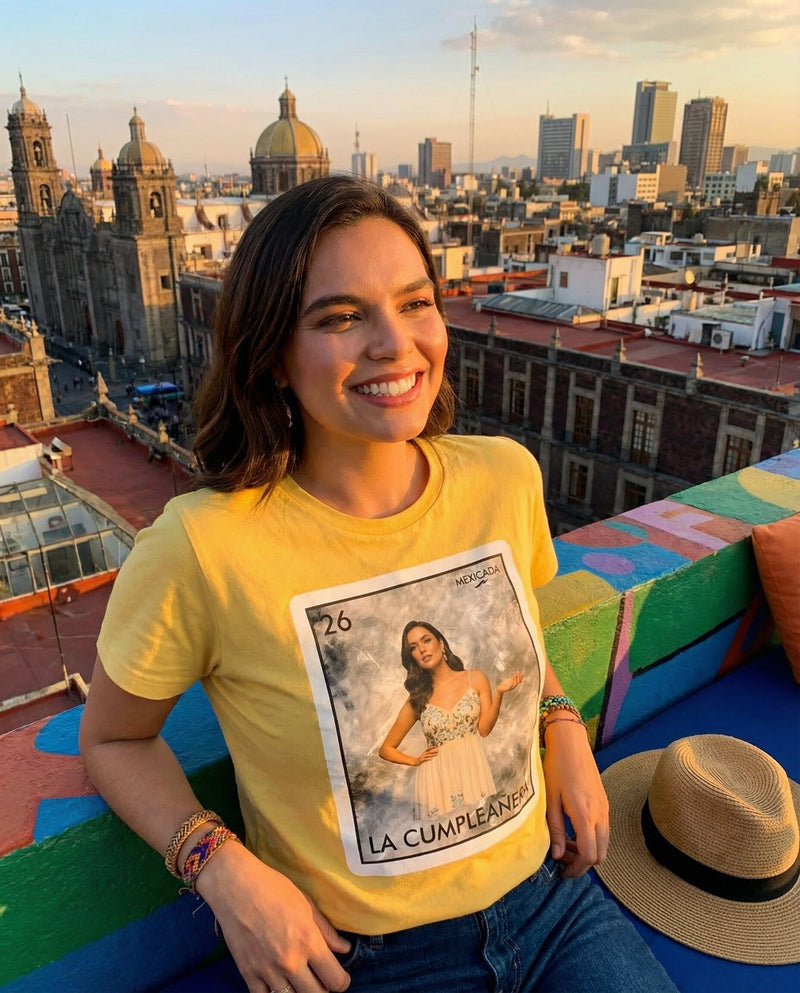
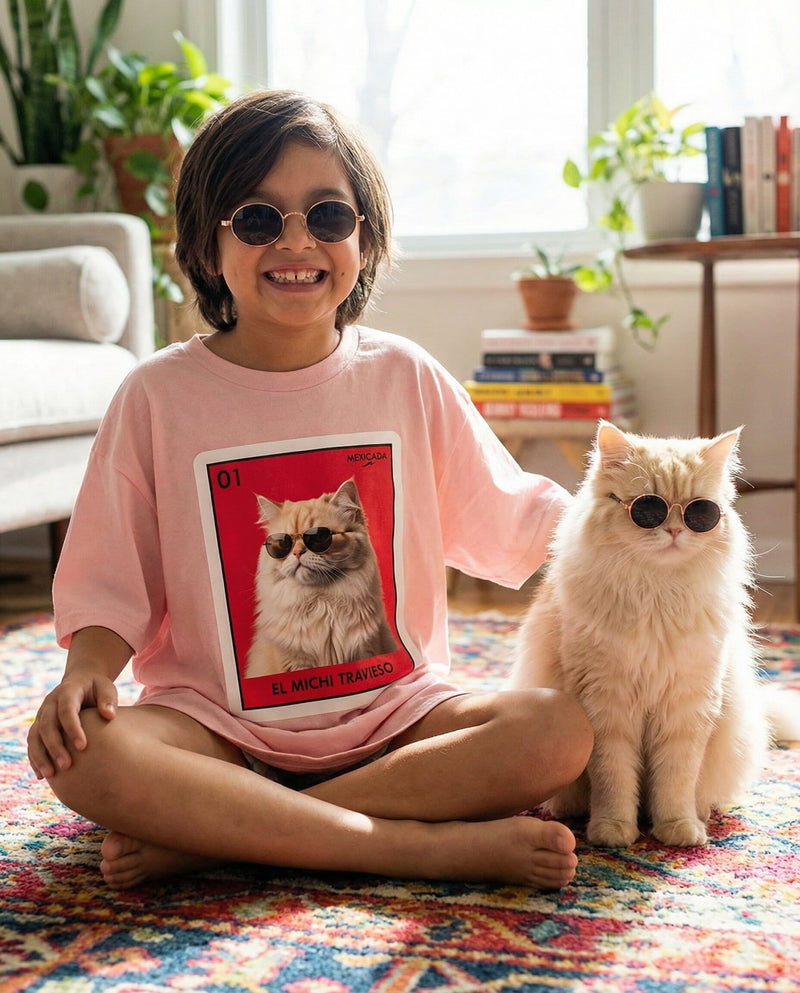
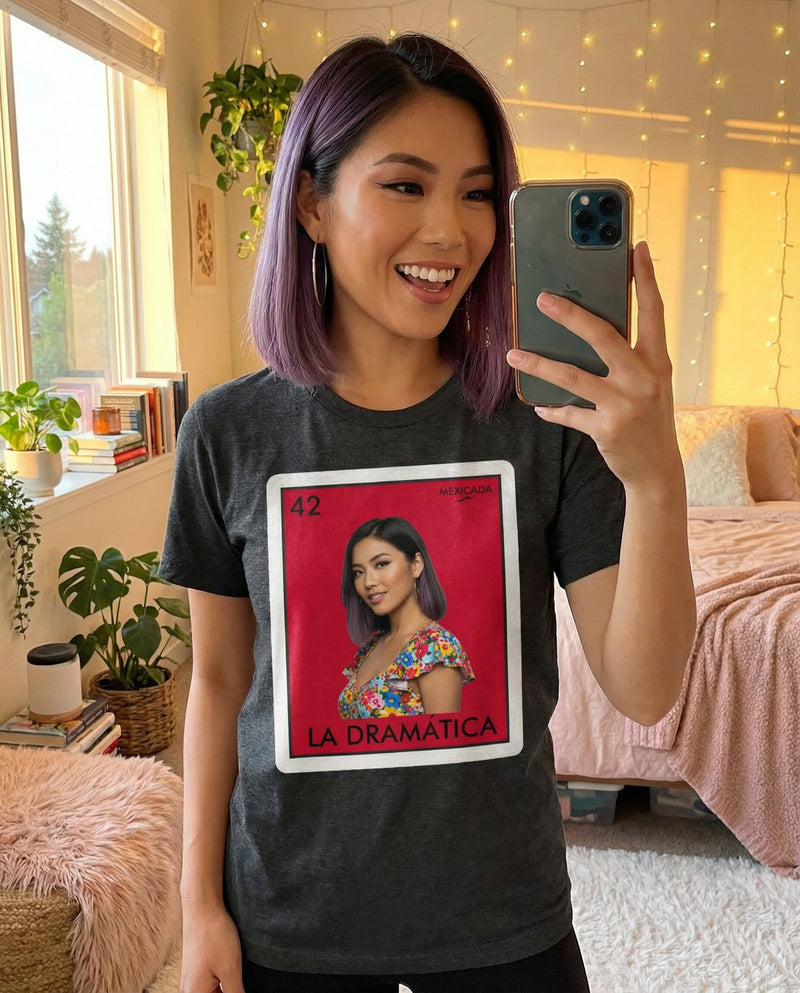

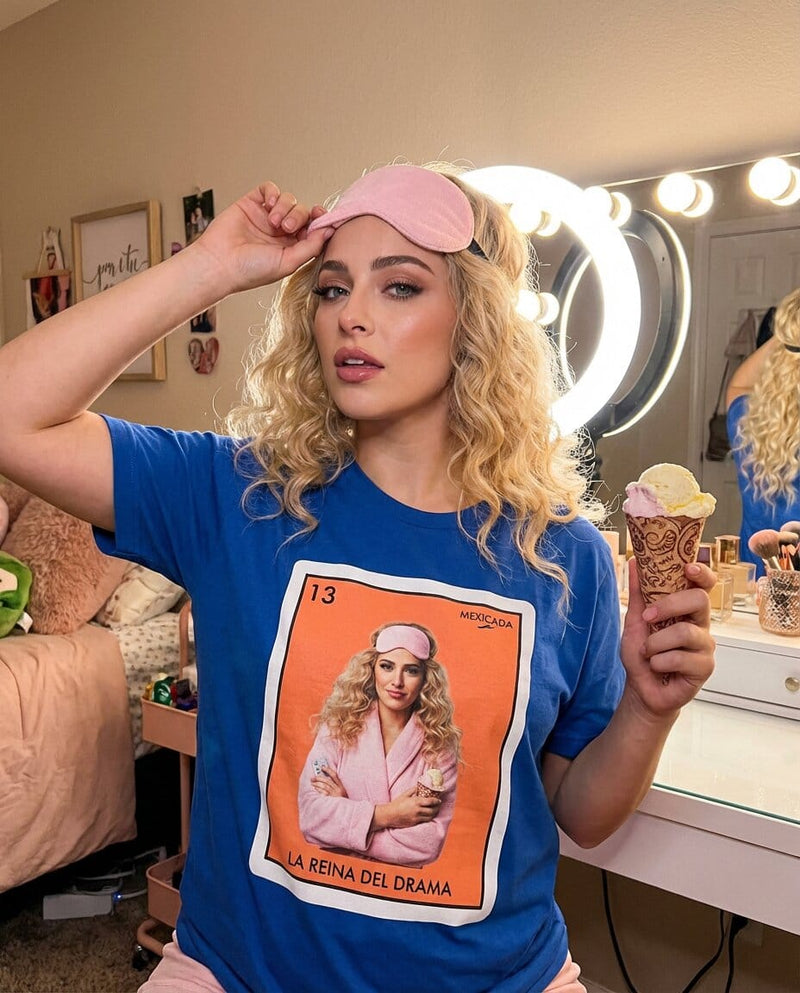


💖 Feel the Spirit of Fiesta with LA AGUILA 💖 Some shirts are just fabric—but this one? It’s a symbol of your heritage, your roots, your spirit. Des...
View full details
🦅 Embrace the Spirit of Freedom with LA ÁGUILA 🦅 Some shirts capture a moment. But this one? It’s a tribute to the bold, fearless spirit of the eag...
View full details
💖 Spread Your Wings with La Águila 💖 Some shirts are just designs—but this one? It’s your spirit, your culture, your pride—perfectly captured in a ...
View full details
💖 Feel the Spirit of Tradition, Live the Fun 💖 Every game of Lotería brings memories—laughter, competition, and those moments of pure joy. But what...
View full details
💖 Embrace Your Heritage with a Bold Twist 💖 There’s a feeling that comes when you wear something that’s more than just fabric. It’s a story, a cult...
View full details
💖 A Memory You Can Hold Forever 💖 Some shirts are just clothes—but this one? It’s you. It’s your story, your culture, your memories—all brought to ...
View full details
💖 Embrace the Spirit of the Eagle 💖 This isn’t just a T-shirt. This is your chance to wear the symbol of strength, freedom, and pride—captured in...
View full details
💖 Fly High with a Piece of Tradition 💖 Some shirts are just clothes—but this one? It’s your connection to heritage. With the bold, vibrant Águila d...
View full details
💖 Feel the Spirit of Freedom with Every Wear 💖 Some shirts are more than just fabric—they carry stories, culture, and pride. With the LA ÁGUILA Cu...
View full details
💖 Unleash Your Inner Scientist 💖 They say science is a world of its own—an adventure that unlocks the mysteries of life. But this La Cínica T-shirt...
View full details
💖 For the Love of Science and Style 💖 Some t-shirts are just clothes, but this one? It’s a celebration of who you are—a passionate clinician, a bri...
View full details
💜 Unleash Your Superpower with Style! 💜 Some days, you just have to embrace the cynic inside of you. And now, you can wear it proudly. This El Cini...
View full details
💖 Wear Your Vibe, Embrace Your Culture 💖 Some shirts are just shirts—but this one? It’s your story, brought to life in vibrant colors and playful d...
View full details
💖 Your Vibe, Your Lotería 💖 Imagine walking into a room and feeling all eyes on you. Not because you're trying, but because you're effortlessly glo...
View full details
💖 Unleash Your Inner Icon 💖 Some shirts are just clothing, but this one? It’s a statement. A bold mix of fun, style, and culture—this isn’t just an...
View full details
💖 Your Heart, Your Story, Your Pride 💖 Some shirts are just shirts, but this one? It's more. It’s your personal celebration of love, culture, and p...
View full details
💖 Your Style, Your Story 💖 Every design has a story—but this one? It’s a celebration of you, wrapped up in the vibrant colors and playful spirit of...
View full details
💖 The Magic of Nostalgia and Culture Combined 💖 Some shirts are just clothes—but this one? It’s your heritage. It’s a joyful celebration of traditi...
View full details
💖 Wear Your Story, Live Your Legacy 💖 Every design tells a story, but some go even deeper. Imagine wearing a piece of your culture, your memories, ...
View full details
💖 Your New Favorite Tee 💖 Some shirts are just clothes—but this one? It’s you. It’s your story, your vibe, your roots—expressed in a fun, unforgett...
View full details English


Leave a comment