

Cart

When it comes to aging, how we care for ourselves and our loved ones varies greatly depending on where we live. Mexican and Western approaches to aging care are as different as salsa and ranch dressing—both serve a purpose, but one brings a bit more flavor and heart to the table. If you're wondering why that is, keep reading! The answer is all about culture, family, and a touch of tradition that Western care often overlooks. So, let’s explore the key differences between how the two cultures approach aging care—and why it matters for the health of older adults.
In Mexico, aging isn't something that happens alone. It’s a family affair! The idea of *familia* extends beyond just the home—it’s the backbone of aging care. Elders in Mexican culture are often cared for by their children or grandchildren, with everyone pitching in to ensure the older generation is respected and taken care of. There’s a sense of responsibility that comes from family values, and it doesn’t just mean helping with medical needs—it means offering companionship, emotional support, and a healthy dose of *comida* (food) to keep spirits high.
Meanwhile, in many Western countries, aging care can sometimes be more individualistic. While families do care for their loved ones, there’s often an emphasis on professional caregiving, from nurses to assisted living facilities. It’s not as hands-on as the Mexican model, and while this approach provides expertise, it can sometimes lack the warmth and close-knit family interaction that Mexican seniors enjoy.
Mexican culture has a rich history of herbal medicine and natural remedies, passed down through generations. For the elderly, these practices are just as vital as any modern treatment. A cup of *té de manzanilla* (chamomile tea) for better sleep, or *epazote* to soothe digestion, are regular go-tos. Elders are often treated with a mix of modern medicine and these trusted home remedies, creating a holistic approach to aging care.
On the other hand, Western approaches tend to favor pharmaceutical solutions. Aging care in many Western societies often centers on medications, surgeries, and clinical treatments. While effective in many cases, it can sometimes focus more on managing symptoms rather than nurturing the whole person through natural means. This might mean fewer cozy tea breaks and more pill bottles to manage.
In Mexico, aging isn’t just about taking care of one’s body; it’s about taking care of one’s heart. Seniors are celebrated for their wisdom, and their social life is often bustling. Whether it's *fiestas* or family gatherings, aging in Mexico means maintaining an active social life filled with love, laughter, and plenty of *tacos*. This helps combat feelings of loneliness and isolation that can sometimes accompany the aging process.
Western cultures, especially in urban environments, often place older adults in retirement homes or independent living communities. While these environments offer excellent care, they can sometimes foster isolation from younger generations. The result? Fewer birthday parties and more Netflix binges, which isn’t exactly the best recipe for a happy, healthy aging experience.
So, what’s the main takeaway? Both the Mexican and Western approaches to aging care have their merits, but the Mexican model shines when it comes to family involvement, natural remedies, and emotional support. Whether it's family gatherings or herbal teas, these practices offer a warm and holistic way to embrace the aging process. The Western approach, with its more clinical focus, certainly provides essential medical care, but it could learn a thing or two from the *familia* spirit that thrives in Mexico.
In the end, maybe we could all benefit from blending the best of both worlds. After all, isn’t life—especially aging—about balance?

Listen Now 0:00 0m 00s left – 0:00 ...

Listen Now 0:00 0m 00s left – 0:00 ...

Listen Now 0:00 0m 00s left – 0:00 ...

Listen Now 0:00 0m 00s left – 0:00 ...

Listen Now 0:00 0m 00s left – 0:00 ...

Listen Now 0:00 0m 00s left – 0:00 ...

Listen Now 0:00 0m 00s left – 0:00 ...

Listen Now 0:00 0m 00s left – 0:00 ...

Listen Now 0:00 0m 00s left – 0:00 ...

Listen Now 0:00 0m 00s left – 0:00 ...

Listen Now 0:00 0m 00s left – 0:00 ...
Listen Now 0:00 0m 00s left – 0:00 ...
Listen Now 0:00 0m 00s left – 0:00 ...

Listen Now 0:00 0m 00s left – 0:00 ...
Listen Now 0:00 0m 00s left – 0:00 ...

Listen Now 0:00 0m 00s left – 0:00 ...
Listen Now 0:00 0m 00s left – 0:00 ...
Listen Now 0:00 0m 00s left – 0:00 ...
Listen Now 0:00 0m 00s left – 0:00 ...
Listen Now 0:00 0m 00s left – 0:00 ...
Listen Now 0:00 0m 00s left – 0:00 ...
Listen Now 0:00 0m 00s left – 0:00 ...
Listen Now 0:00 0m 00s left – 0:00 ...
Listen Now 0:00 0m 00s left – 0:00 ...
Listen Now 0:00 0m 00s left – 0:00 ...
Listen Now 0:00 0m 00s left – 0:00 ...
Listen Now 0:00 0m 00s left – 0:00 ...
Listen Now 0:00 0m 00s left – 0:00 ...
Listen Now 0:00 0m 00s left – 0:00 ...
Listen Now 0:00 0m 00s left – 0:00 ...
Listen Now 0:00 0m 00s left – 0:00 ...
Listen Now 0:00 0m 00s left – 0:00 ...
Listen Now 0:00 0m 00s left – 0:00 ...
Listen Now 0:00 0m 00s left – 0:00 ...
Listen Now 0:00 0m 00s left – 0:00 ...
Listen Now 0:00 0m 00s left – 0:00 ...
Listen Now 0:00 0m 00s left – 0:00 ...
Listen Now 0:00 0m 00s left – 0:00 ...
Listen Now 0:00 0m 00s left – 0:00 ...
Listen Now 0:00 0m 00s left – 0:00 ...
Listen Now 0:00 0m 00s left – 0:00 ...
Listen Now 0:00 0m 00s left – 0:00 ...
Listen Now 0:00 0m 00s left – 0:00 ...
Listen Now 0:00 0m 00s left – 0:00 ...
Listen Now 0:00 0m 00s left – 0:00 ...
Listen Now 0:00 0m 00s left – 0:00 ...
Listen Now 0:00 0m 00s left – 0:00 ...
Listen Now 0:00 0m 00s left – 0:00 ...
Listen Now 0:00 0m 00s left – 0:00 ...
Designs from the Community

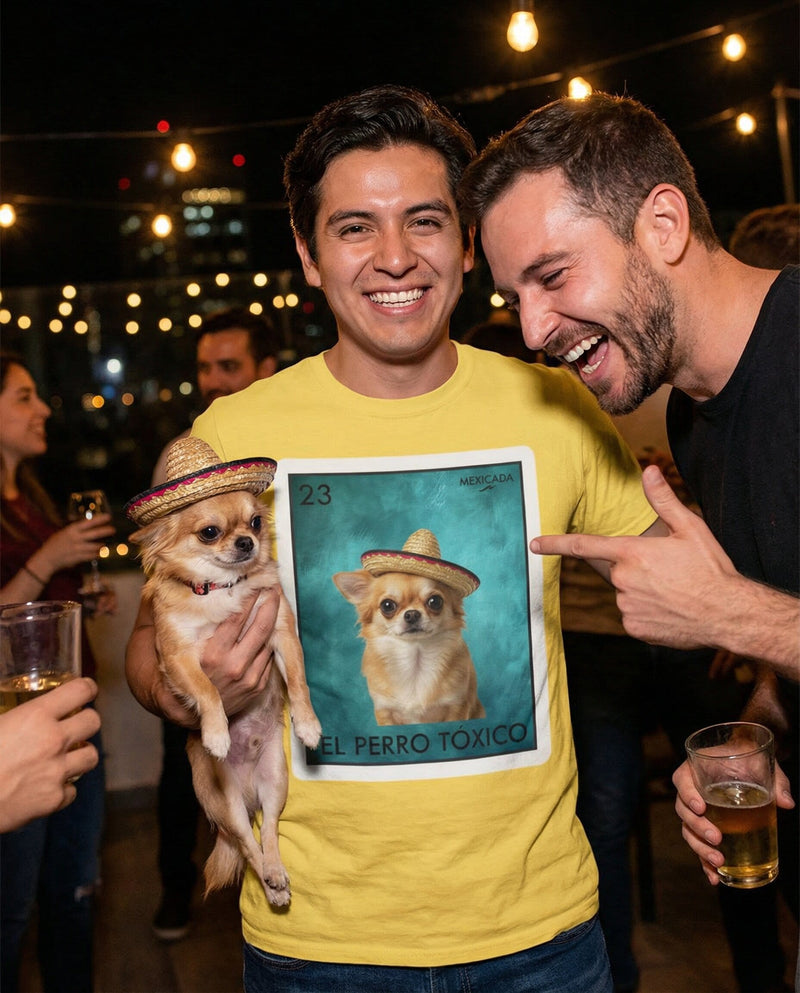

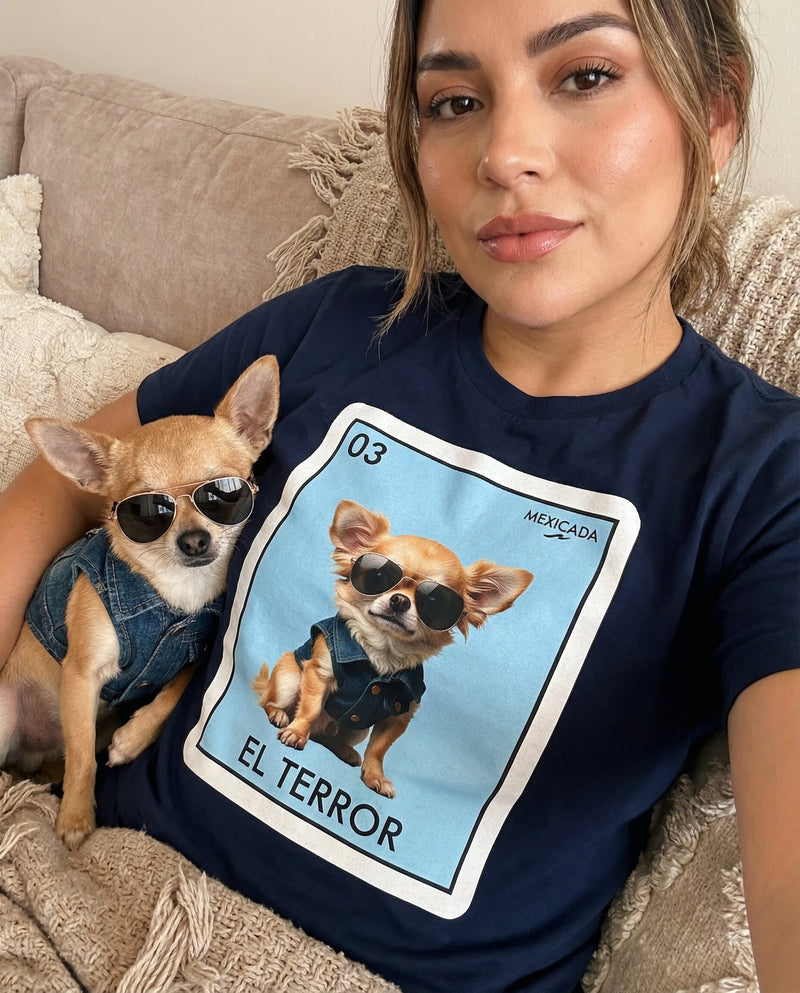

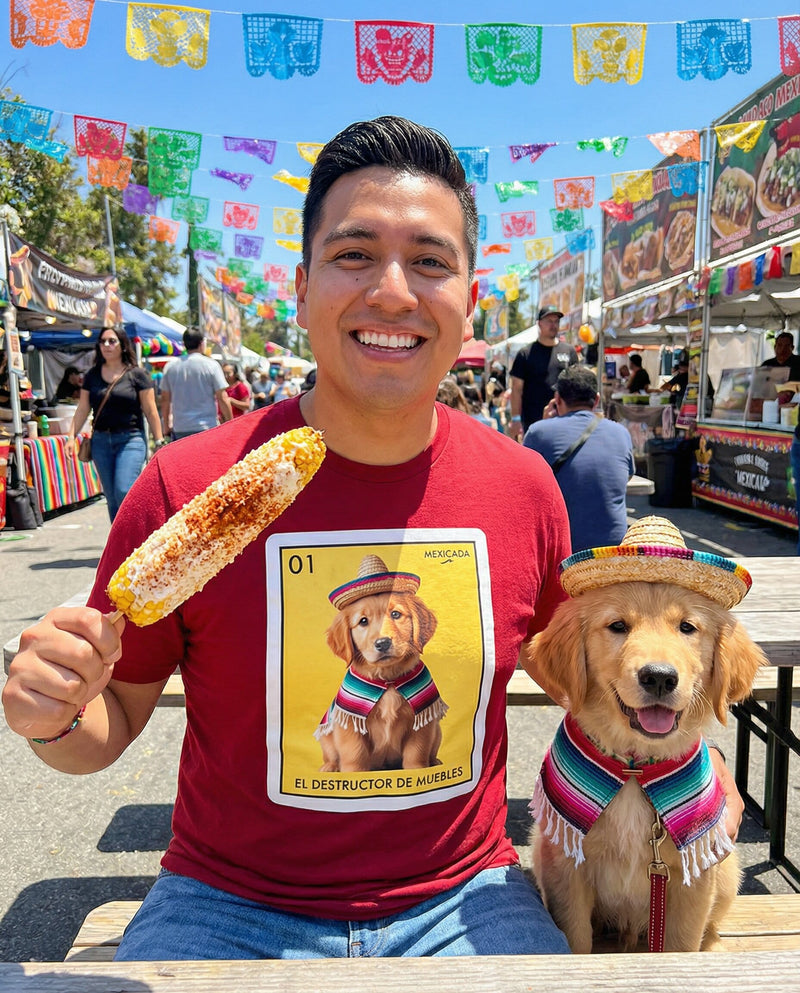


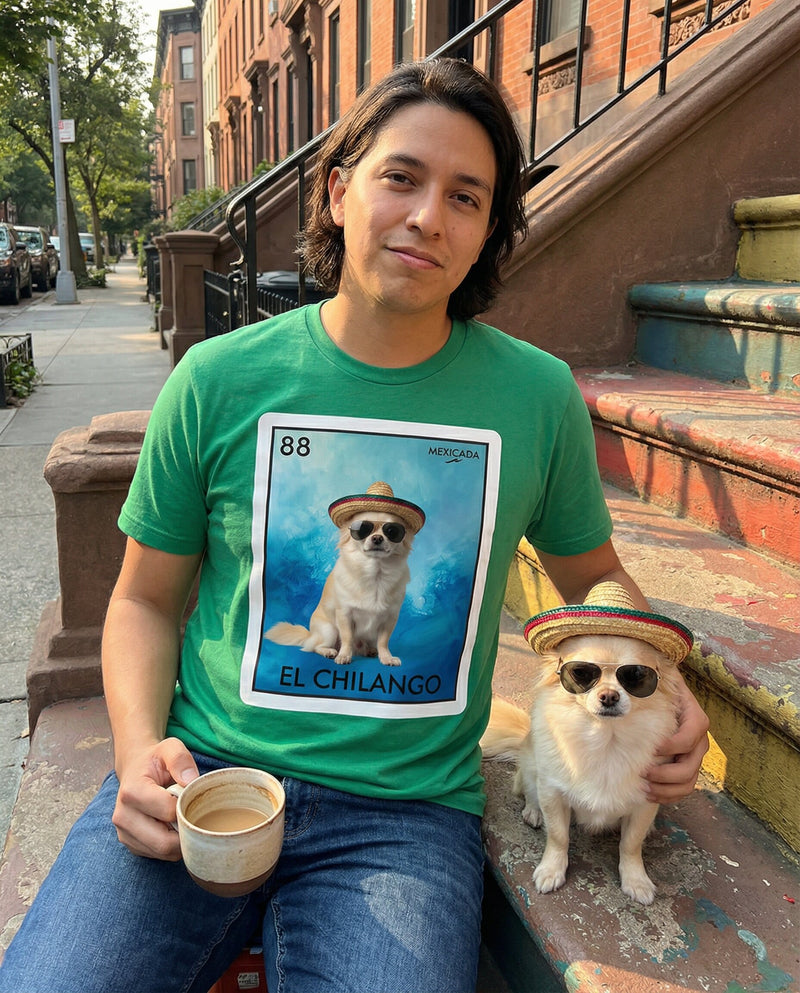







💖 Feel the Spirit of Fiesta with LA AGUILA 💖 Some shirts are just fabric—but this one? It’s a symbol of your heritage, your roots, your spirit. Des...
View full details
🦅 Embrace the Spirit of Freedom with LA ÁGUILA 🦅 Some shirts capture a moment. But this one? It’s a tribute to the bold, fearless spirit of the eag...
View full details
💖 Spread Your Wings with La Águila 💖 Some shirts are just designs—but this one? It’s your spirit, your culture, your pride—perfectly captured in a ...
View full details
💖 Feel the Spirit of Tradition, Live the Fun 💖 Every game of Lotería brings memories—laughter, competition, and those moments of pure joy. But what...
View full details
💖 Embrace Your Heritage with a Bold Twist 💖 There’s a feeling that comes when you wear something that’s more than just fabric. It’s a story, a cult...
View full details
💖 A Memory You Can Hold Forever 💖 Some shirts are just clothes—but this one? It’s you. It’s your story, your culture, your memories—all brought to ...
View full details
💖 Embrace the Spirit of the Eagle 💖 This isn’t just a T-shirt. This is your chance to wear the symbol of strength, freedom, and pride—captured in...
View full details
💖 Fly High with a Piece of Tradition 💖 Some shirts are just clothes—but this one? It’s your connection to heritage. With the bold, vibrant Águila d...
View full details
💖 Feel the Spirit of Freedom with Every Wear 💖 Some shirts are more than just fabric—they carry stories, culture, and pride. With the LA ÁGUILA Cu...
View full details
💖 Unleash Your Inner Scientist 💖 They say science is a world of its own—an adventure that unlocks the mysteries of life. But this La Cínica T-shirt...
View full details
💖 For the Love of Science and Style 💖 Some t-shirts are just clothes, but this one? It’s a celebration of who you are—a passionate clinician, a bri...
View full details
💜 Unleash Your Superpower with Style! 💜 Some days, you just have to embrace the cynic inside of you. And now, you can wear it proudly. This El Cini...
View full details
💖 Wear Your Vibe, Embrace Your Culture 💖 Some shirts are just shirts—but this one? It’s your story, brought to life in vibrant colors and playful d...
View full details
💖 Your Vibe, Your Lotería 💖 Imagine walking into a room and feeling all eyes on you. Not because you're trying, but because you're effortlessly glo...
View full details
💖 Unleash Your Inner Icon 💖 Some shirts are just clothing, but this one? It’s a statement. A bold mix of fun, style, and culture—this isn’t just an...
View full details
💖 Your Heart, Your Story, Your Pride 💖 Some shirts are just shirts, but this one? It's more. It’s your personal celebration of love, culture, and p...
View full details
💖 Your Style, Your Story 💖 Every design has a story—but this one? It’s a celebration of you, wrapped up in the vibrant colors and playful spirit of...
View full details
💖 The Magic of Nostalgia and Culture Combined 💖 Some shirts are just clothes—but this one? It’s your heritage. It’s a joyful celebration of traditi...
View full details
💖 Wear Your Story, Live Your Legacy 💖 Every design tells a story, but some go even deeper. Imagine wearing a piece of your culture, your memories, ...
View full details
💖 Your New Favorite Tee 💖 Some shirts are just clothes—but this one? It’s you. It’s your story, your vibe, your roots—expressed in a fun, unforgett...
View full details English


Leave a comment