

Cart

Picture this: you’re walking down a lively street in Mexico, and vibrant, energetic colors catch your eye. Bold blues, fiery reds, electric yellows—Mexican street art uses these hues to tell stories, make statements, and grab attention. And guess what? Brands are now using these same powerful colors to capture the hearts (and wallets) of modern consumers. From creating emotional connections to standing out in a crowded market, using Mexican street art colors has proven to be a successful strategy in the world of branding.
Mexican street art colors aren’t just pretty to look at—they have a deeper meaning. They evoke passion, energy, and a connection to culture. When brands use these colors, they tap into these emotions, creating a memorable visual experience for their audience. These hues are not just colors; they’re symbols that reflect the vibrancy and richness of Mexican culture, making them a perfect fit for brands looking to make a lasting impact. So, how are brands using them successfully? Let’s dive in.
Coca-Cola is no stranger to using bold colors in their marketing, but when they launched their “One Country, One Brand” campaign, they took inspiration from Mexican street art. The campaign featured vibrant murals that blended Coca-Cola’s iconic red with the colorful vibrancy of Mexican art. This not only gave the campaign a distinct, energetic feel but also connected the brand with the vibrant culture of Mexico. By aligning with the rich history of Mexican street art, Coca-Cola’s branding became a celebration of unity, culture, and color.
For Nike, embracing Mexican street art wasn’t just about colors—it was about culture. In their Day of the Dead collection, Nike used rich, festive colors like golds, purples, and oranges, inspired by Mexican street art and the traditional Day of the Dead celebrations. These vibrant hues brought the designs to life, reflecting the festive spirit of the holiday. Nike’s use of Mexican street art colors helped the brand create an emotional connection with consumers, especially those who celebrated the rich Mexican heritage.
Budweiser’s “La Vida Más Fina” campaign was a bold tribute to the Mexican way of life, using vibrant street art colors to capture the essence of Mexican culture. With its bright, eye-catching designs, the campaign successfully highlighted the lively spirit of the Mexican people while celebrating their love for good times and great beer. Budweiser tapped into the power of color to make their branding stand out, drawing attention to their unique connection with Mexico’s cultural roots.
Target embraced the power of Mexican street art colors in their “Fiesta de Colores” collection, which featured everything from home decor to fashion. The campaign was designed to celebrate Mexican heritage through bold and playful colors, taking direct inspiration from the murals found in urban Mexican landscapes. By using street art as the visual foundation, Target created a collection that was not just aesthetically pleasing but emotionally resonant with a diverse audience.
Sephora’s Mexican-inspired beauty campaign incorporated bright, bold colors that reflected the artistry and vibrancy of Mexican street murals. By using a combination of neon pinks, yellows, and purples, Sephora’s campaign stood out in the beauty industry for its bold, colorful aesthetic. The colors not only caught attention but also communicated the vibrancy of Mexican culture, creating an emotional connection with consumers who value diversity, creativity, and self-expression.
These branding campaigns show that Mexican street art colors do more than just look good—they bring brands closer to their audiences, evoking strong emotional connections and creating a sense of cultural unity. By tapping into the vibrant energy of Mexican street art, brands can stand out, build lasting relationships with their customers, and make a powerful visual statement. Whether it's the fiery red of a mural or the electric blue of a city street, these colors are proving that sometimes, it’s not just about the product—it’s about the feeling it creates.

Listen Now 0:00 0m 00s left – 0:00 ...

Listen Now 0:00 0m 00s left – 0:00 ...

Listen Now 0:00 0m 00s left – 0:00 ...

Listen Now 0:00 0m 00s left – 0:00 ...

Listen Now 0:00 0m 00s left – 0:00 ...

Listen Now 0:00 0m 00s left – 0:00 ...

Listen Now 0:00 0m 00s left – 0:00 ...

Listen Now 0:00 0m 00s left – 0:00 ...

Listen Now 0:00 0m 00s left – 0:00 ...

Listen Now 0:00 0m 00s left – 0:00 ...

Listen Now 0:00 0m 00s left – 0:00 ...
Listen Now 0:00 0m 00s left – 0:00 ...
Listen Now 0:00 0m 00s left – 0:00 ...

Listen Now 0:00 0m 00s left – 0:00 ...
Listen Now 0:00 0m 00s left – 0:00 ...

Listen Now 0:00 0m 00s left – 0:00 ...
Listen Now 0:00 0m 00s left – 0:00 ...
Listen Now 0:00 0m 00s left – 0:00 ...
Listen Now 0:00 0m 00s left – 0:00 ...
Listen Now 0:00 0m 00s left – 0:00 ...
Listen Now 0:00 0m 00s left – 0:00 ...
Listen Now 0:00 0m 00s left – 0:00 ...
Listen Now 0:00 0m 00s left – 0:00 ...
Listen Now 0:00 0m 00s left – 0:00 ...
Listen Now 0:00 0m 00s left – 0:00 ...
Listen Now 0:00 0m 00s left – 0:00 ...
Listen Now 0:00 0m 00s left – 0:00 ...
Listen Now 0:00 0m 00s left – 0:00 ...
Listen Now 0:00 0m 00s left – 0:00 ...
Listen Now 0:00 0m 00s left – 0:00 ...
Listen Now 0:00 0m 00s left – 0:00 ...
Listen Now 0:00 0m 00s left – 0:00 ...
Listen Now 0:00 0m 00s left – 0:00 ...
Listen Now 0:00 0m 00s left – 0:00 ...
Listen Now 0:00 0m 00s left – 0:00 ...
Listen Now 0:00 0m 00s left – 0:00 ...
Listen Now 0:00 0m 00s left – 0:00 ...
Listen Now 0:00 0m 00s left – 0:00 ...
Listen Now 0:00 0m 00s left – 0:00 ...
Listen Now 0:00 0m 00s left – 0:00 ...
Listen Now 0:00 0m 00s left – 0:00 ...
Listen Now 0:00 0m 00s left – 0:00 ...
Listen Now 0:00 0m 00s left – 0:00 ...
Listen Now 0:00 0m 00s left – 0:00 ...
Listen Now 0:00 0m 00s left – 0:00 ...
Listen Now 0:00 0m 00s left – 0:00 ...
Listen Now 0:00 0m 00s left – 0:00 ...
Listen Now 0:00 0m 00s left – 0:00 ...
Listen Now 0:00 0m 00s left – 0:00 ...
Designs from the Community

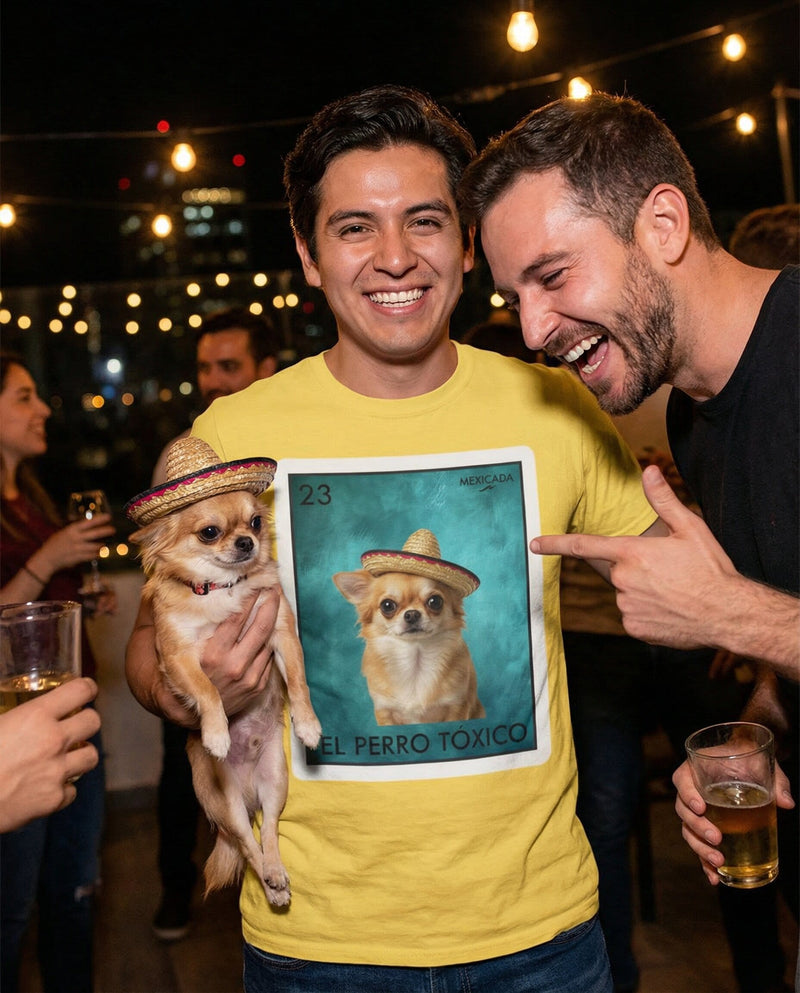

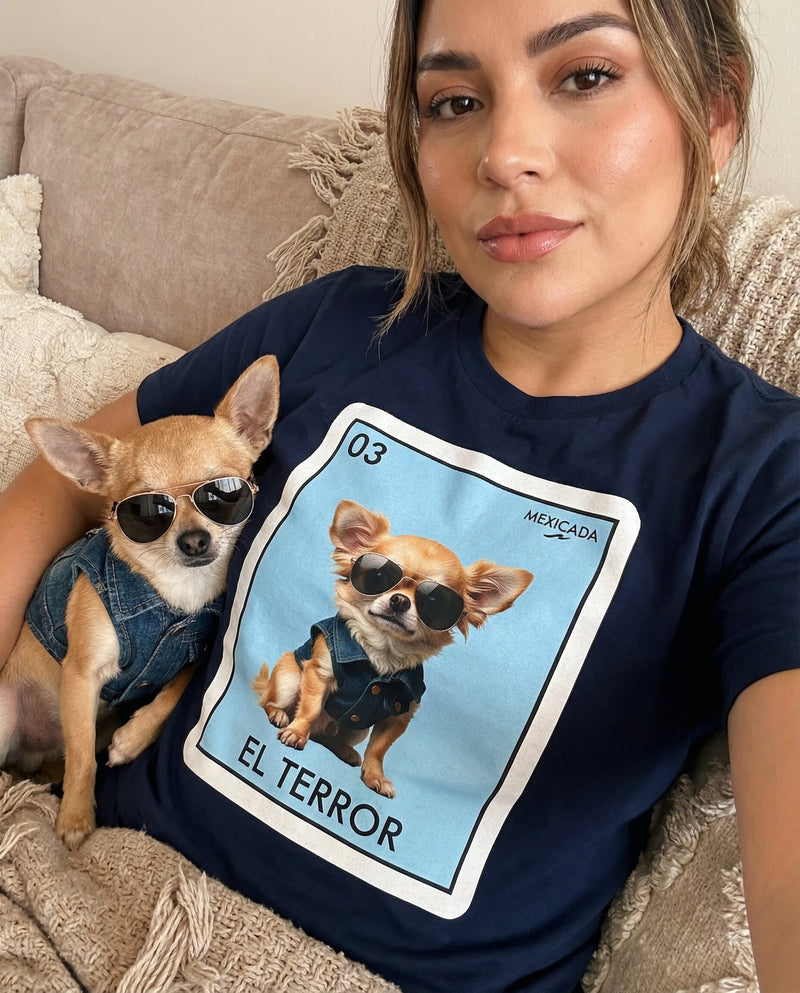

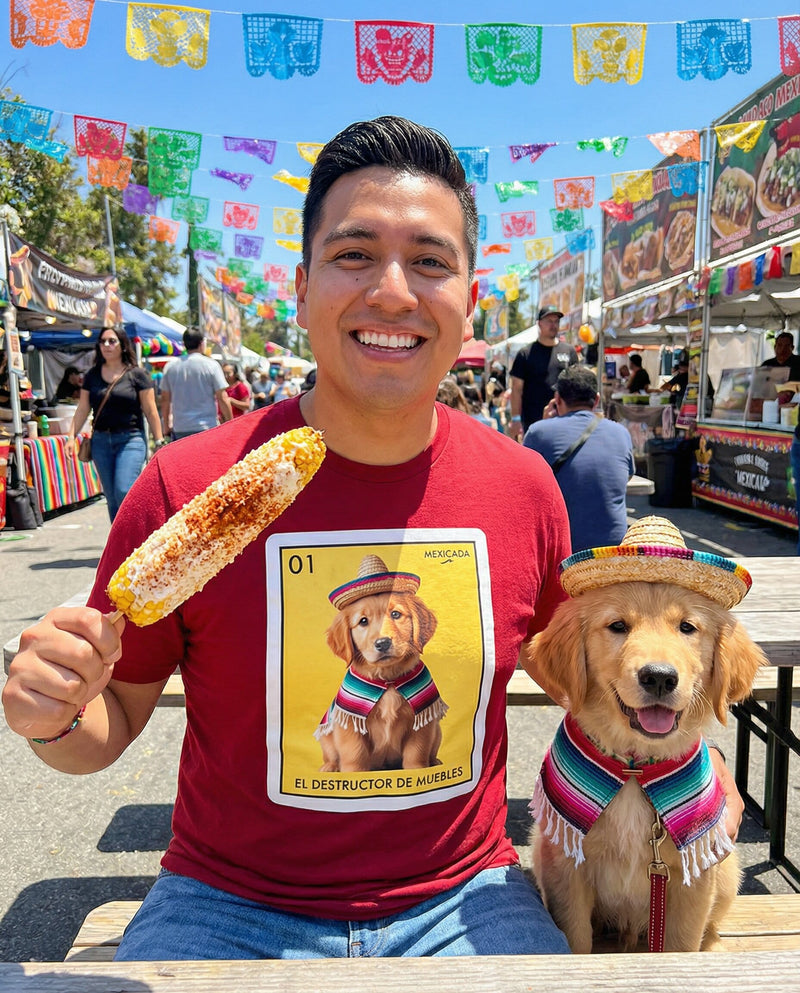


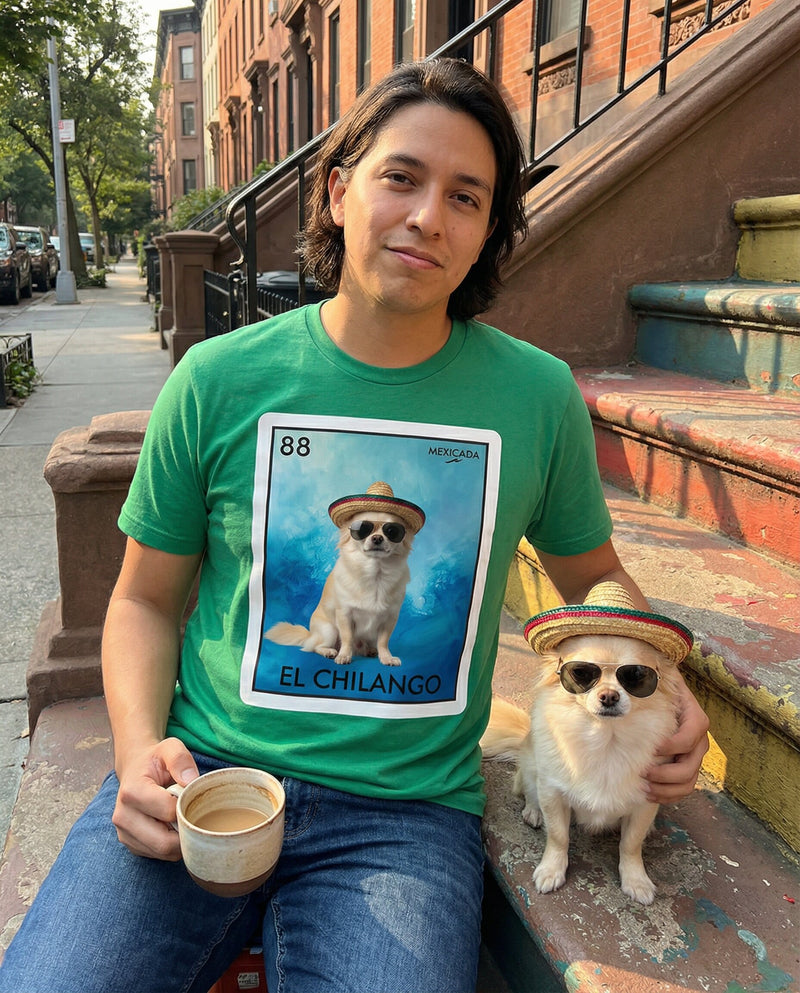


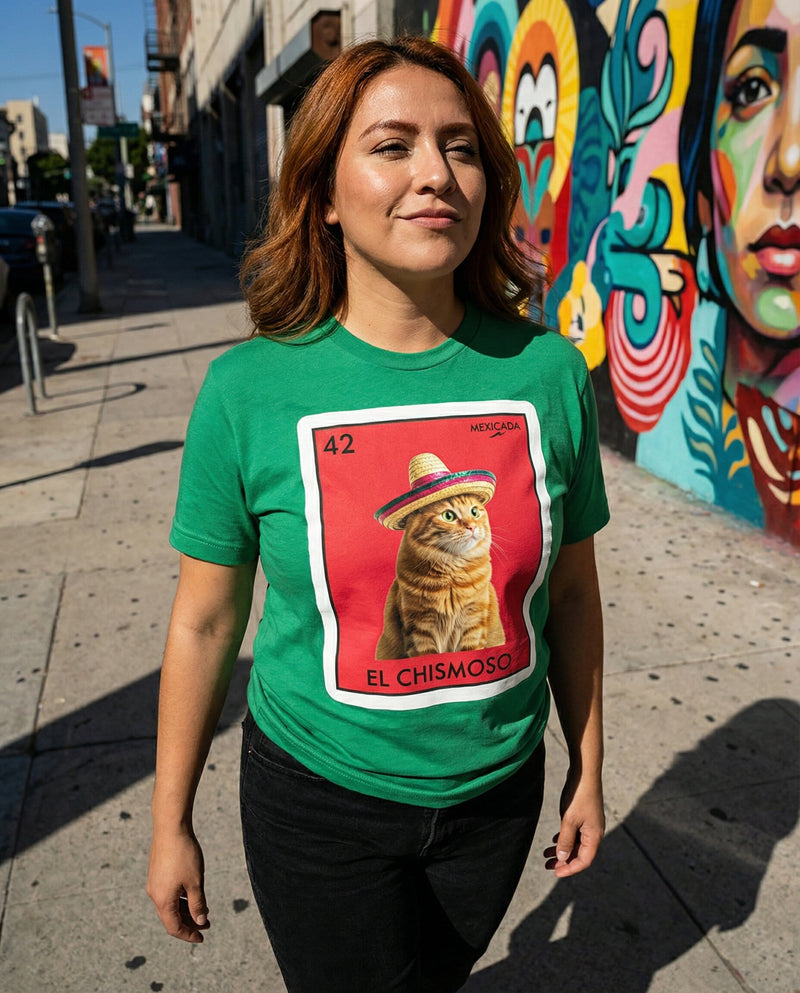
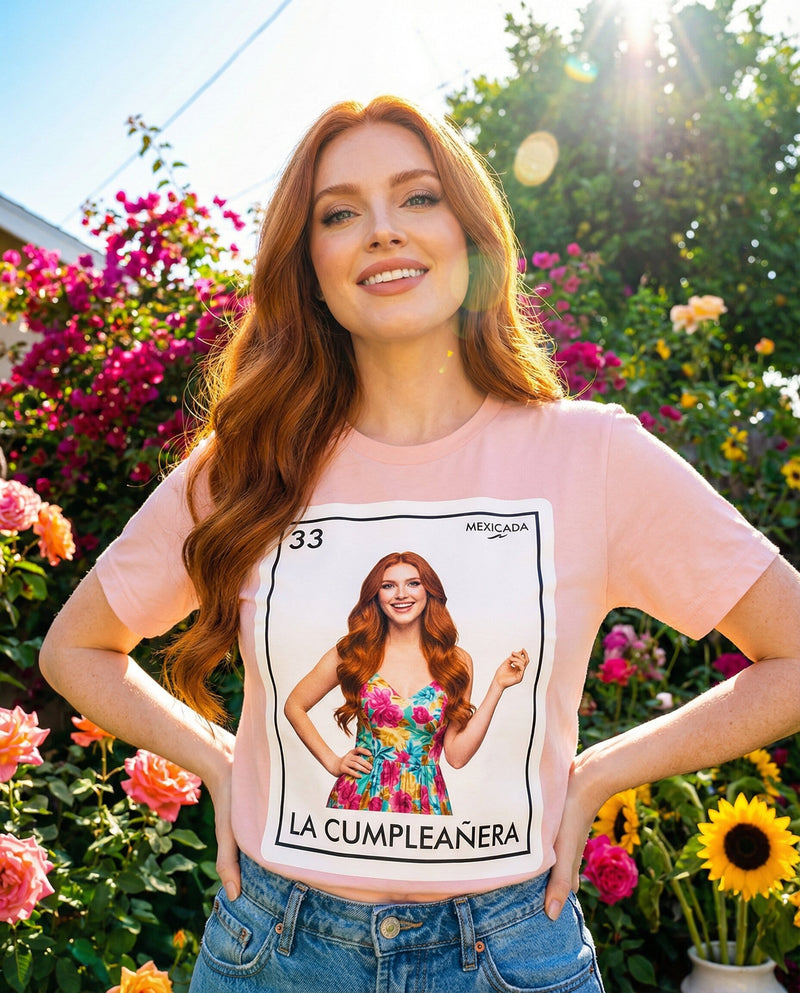

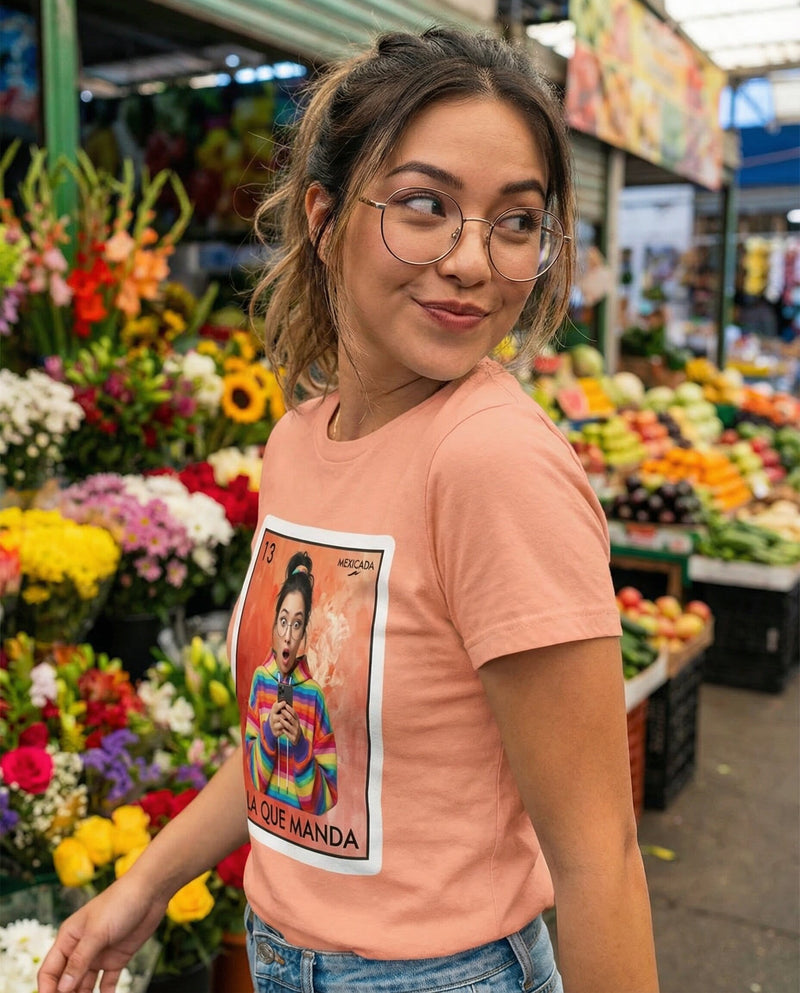
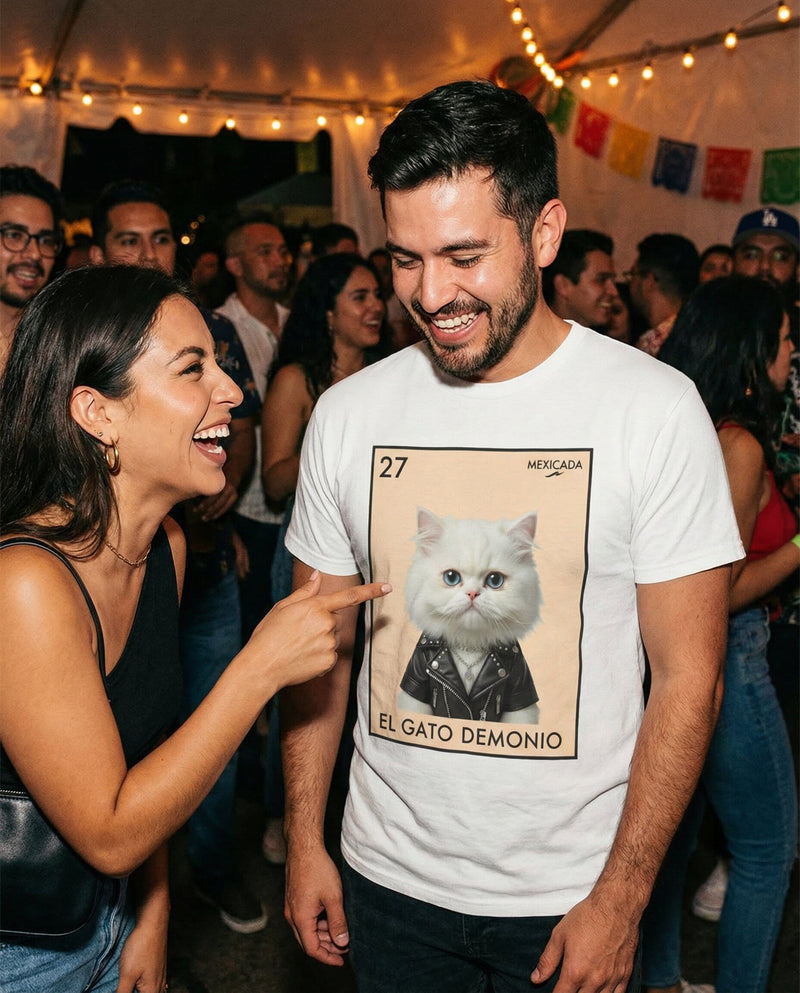
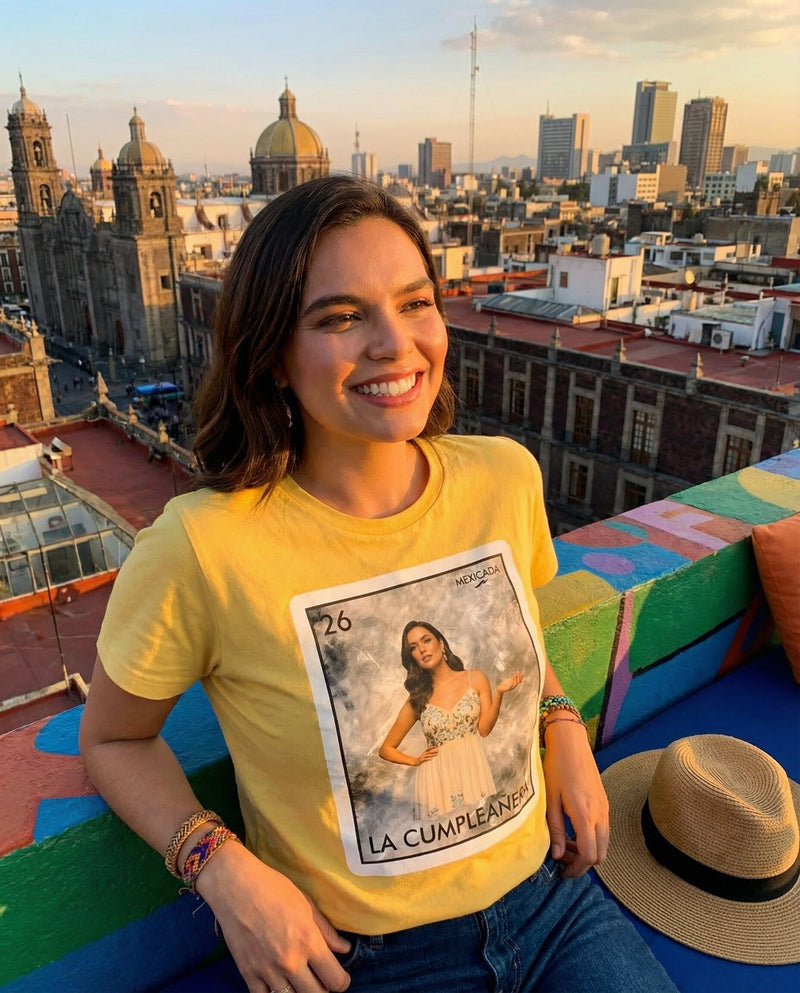
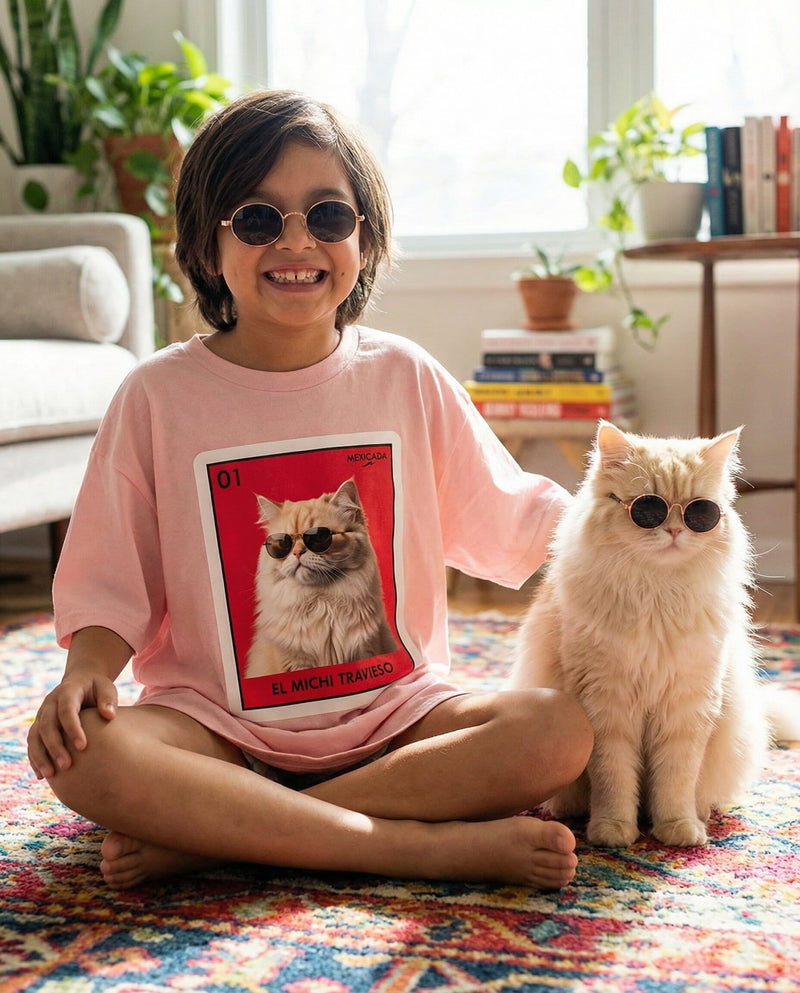
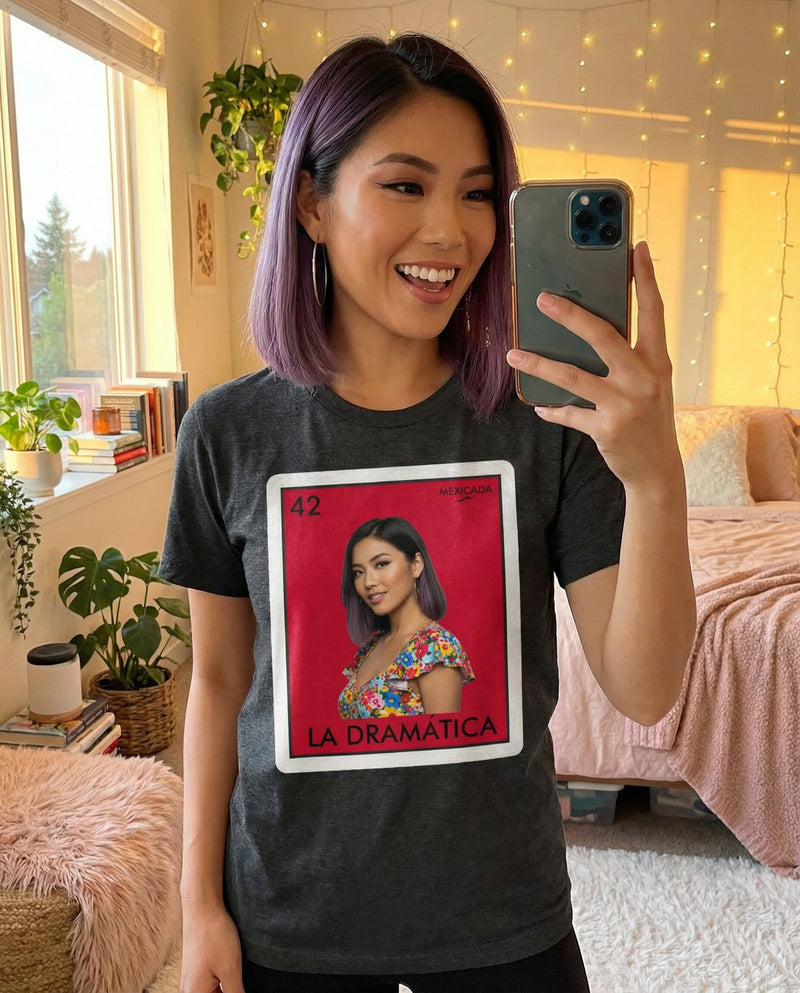

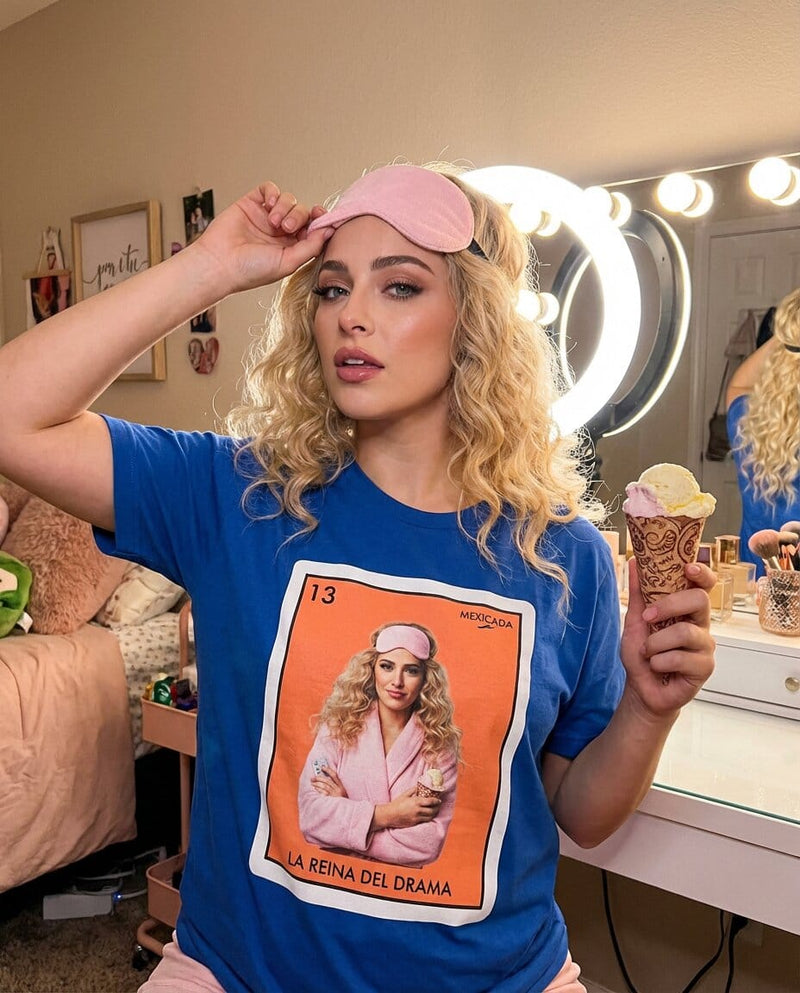
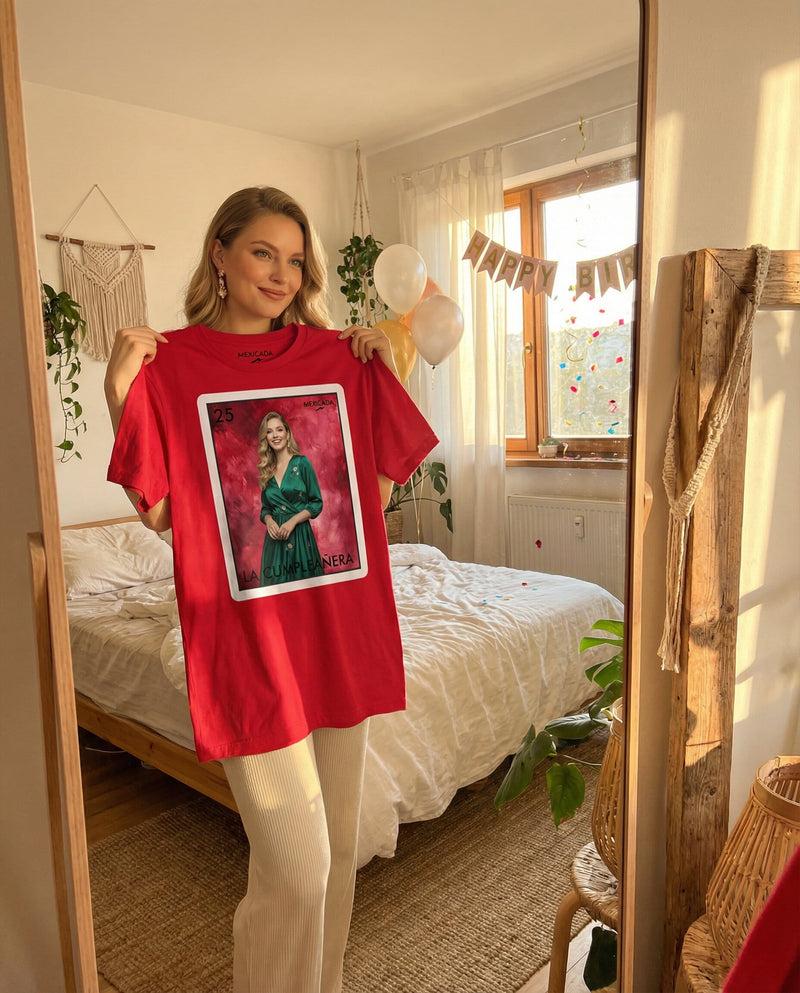


💖 Feel the Spirit of Fiesta with LA AGUILA 💖 Some shirts are just fabric—but this one? It’s a symbol of your heritage, your roots, your spirit. Des...
View full details
🦅 Embrace the Spirit of Freedom with LA ÁGUILA 🦅 Some shirts capture a moment. But this one? It’s a tribute to the bold, fearless spirit of the eag...
View full details
💖 Spread Your Wings with La Águila 💖 Some shirts are just designs—but this one? It’s your spirit, your culture, your pride—perfectly captured in a ...
View full details
💖 Feel the Spirit of Tradition, Live the Fun 💖 Every game of Lotería brings memories—laughter, competition, and those moments of pure joy. But what...
View full details
💖 Embrace Your Heritage with a Bold Twist 💖 There’s a feeling that comes when you wear something that’s more than just fabric. It’s a story, a cult...
View full details
💖 A Memory You Can Hold Forever 💖 Some shirts are just clothes—but this one? It’s you. It’s your story, your culture, your memories—all brought to ...
View full details
💖 Embrace the Spirit of the Eagle 💖 This isn’t just a T-shirt. This is your chance to wear the symbol of strength, freedom, and pride—captured in...
View full details
💖 Fly High with a Piece of Tradition 💖 Some shirts are just clothes—but this one? It’s your connection to heritage. With the bold, vibrant Águila d...
View full details
💖 Feel the Spirit of Freedom with Every Wear 💖 Some shirts are more than just fabric—they carry stories, culture, and pride. With the LA ÁGUILA Cu...
View full details
💖 Unleash Your Inner Scientist 💖 They say science is a world of its own—an adventure that unlocks the mysteries of life. But this La Cínica T-shirt...
View full details
💖 For the Love of Science and Style 💖 Some t-shirts are just clothes, but this one? It’s a celebration of who you are—a passionate clinician, a bri...
View full details
💜 Unleash Your Superpower with Style! 💜 Some days, you just have to embrace the cynic inside of you. And now, you can wear it proudly. This El Cini...
View full details
💖 Wear Your Vibe, Embrace Your Culture 💖 Some shirts are just shirts—but this one? It’s your story, brought to life in vibrant colors and playful d...
View full details
💖 Your Vibe, Your Lotería 💖 Imagine walking into a room and feeling all eyes on you. Not because you're trying, but because you're effortlessly glo...
View full details
💖 Unleash Your Inner Icon 💖 Some shirts are just clothing, but this one? It’s a statement. A bold mix of fun, style, and culture—this isn’t just an...
View full details
💖 Your Heart, Your Story, Your Pride 💖 Some shirts are just shirts, but this one? It's more. It’s your personal celebration of love, culture, and p...
View full details
💖 Your Style, Your Story 💖 Every design has a story—but this one? It’s a celebration of you, wrapped up in the vibrant colors and playful spirit of...
View full details
💖 The Magic of Nostalgia and Culture Combined 💖 Some shirts are just clothes—but this one? It’s your heritage. It’s a joyful celebration of traditi...
View full details
💖 Wear Your Story, Live Your Legacy 💖 Every design tells a story, but some go even deeper. Imagine wearing a piece of your culture, your memories, ...
View full details
💖 Your New Favorite Tee 💖 Some shirts are just clothes—but this one? It’s you. It’s your story, your vibe, your roots—expressed in a fun, unforgett...
View full details English


Leave a comment