

Cart

In a world where "I" often trumps "we," Mexican society stands as a shining example of how collectivism can shape not only a community’s spirit but also the very actions of its people. Have you ever wondered why family comes first, why community bonds are so strong, or why social expectations seem to carry so much weight? The answer lies in the powerful grip of collectivism, a core value that influences Mexican life at every level. Let’s explore how this rich cultural fabric molds personal decisions, social expectations, and even everyday behaviors. Spoiler alert: it’s not just about the tacos!
In Mexican culture, the collective "we" holds immense power. This sense of unity isn't just a passing trend; it's embedded in the way people think, live, and act. Social expectations are heavily influenced by a desire to maintain harmony within the group, be it family, friends, or community. When you’re in Mexico, you’re never really alone—your actions ripple through a connected network of relationships. For instance, when a person makes a decision, they often think about how it will affect their family, friends, and even their neighbors. That’s right, it’s not just your own life at stake here!
Mexican collectivism doesn’t just influence how people interact with others—it also affects their personal choices. In Mexican society, individuals are often guided by social norms and expectations that encourage group harmony. These expectations can range from how one dresses, speaks, or even how they choose a career. Want to be a doctor? That’s great, but it’s even better if your family approves first! It’s no surprise that in Mexican communities, family opinions can weigh heavily in decision-making processes, whether it’s about relationships, education, or career choices.
Now, let’s talk about family—the glue that holds it all together. In Mexico, family is more than just a group of people you share a last name with. It’s a collective unit that extends beyond bloodlines to include close friends, neighbors, and even distant relatives. These relationships are so important that they form the bedrock of social expectations. When one member succeeds, everyone shares the victory. And when one struggles? The whole community feels it. This deeply ingrained sense of mutual support is what drives many to prioritize the good of the collective over individual desires. It’s all about "somos familia" (we are family) and making sure no one is left behind.
But how does collectivism influence individual behavior on a day-to-day level? Think about it—how many times have you seen someone go above and beyond, not for personal glory, but because they feel a responsibility to their family or community? That’s collectivism in action. People often modify their behavior to align with social norms and expectations, not because they want to, but because it’s expected of them. This could mean making sacrifices, playing a supporting role in a group, or simply acting in ways that promote group harmony. While some might see it as a constraint, many Mexicans embrace this approach as a source of pride and strength.
Of course, like any culture, Mexican society isn’t all about groupthink. There’s still room for personal freedom, individuality, and self-expression. However, the delicate balance between personal independence and social responsibility is what sets Mexican culture apart. Mexicans often find creative ways to assert their individuality while still honoring the collective values. Whether it’s through art, music, or even personal fashion, there’s always a way to stand out—while still being part of the bigger picture.
In the end, Mexican collectivism teaches us that individual actions don’t just affect one person—they have the power to shape entire communities. By understanding this cultural perspective, we gain insight into how social expectations influence behavior, choices, and the fabric of society itself. So, the next time you're invited to a family dinner in Mexico, remember: it’s not just about the food—it’s about being part of something bigger than yourself!

Listen Now 0:00 0m 00s left – 0:00 ...

Listen Now 0:00 0m 00s left – 0:00 ...

Listen Now 0:00 0m 00s left – 0:00 ...

Listen Now 0:00 0m 00s left – 0:00 ...

Listen Now 0:00 0m 00s left – 0:00 ...

Listen Now 0:00 0m 00s left – 0:00 ...

Listen Now 0:00 0m 00s left – 0:00 ...

Listen Now 0:00 0m 00s left – 0:00 ...

Listen Now 0:00 0m 00s left – 0:00 ...

Listen Now 0:00 0m 00s left – 0:00 ...

Listen Now 0:00 0m 00s left – 0:00 ...
Listen Now 0:00 0m 00s left – 0:00 ...
Listen Now 0:00 0m 00s left – 0:00 ...

Listen Now 0:00 0m 00s left – 0:00 ...
Listen Now 0:00 0m 00s left – 0:00 ...

Listen Now 0:00 0m 00s left – 0:00 ...
Listen Now 0:00 0m 00s left – 0:00 ...
Listen Now 0:00 0m 00s left – 0:00 ...
Listen Now 0:00 0m 00s left – 0:00 ...
Listen Now 0:00 0m 00s left – 0:00 ...
Listen Now 0:00 0m 00s left – 0:00 ...
Listen Now 0:00 0m 00s left – 0:00 ...
Listen Now 0:00 0m 00s left – 0:00 ...
Listen Now 0:00 0m 00s left – 0:00 ...
Listen Now 0:00 0m 00s left – 0:00 ...
Listen Now 0:00 0m 00s left – 0:00 ...
Listen Now 0:00 0m 00s left – 0:00 ...
Listen Now 0:00 0m 00s left – 0:00 ...
Listen Now 0:00 0m 00s left – 0:00 ...
Listen Now 0:00 0m 00s left – 0:00 ...
Listen Now 0:00 0m 00s left – 0:00 ...
Listen Now 0:00 0m 00s left – 0:00 ...
Listen Now 0:00 0m 00s left – 0:00 ...
Listen Now 0:00 0m 00s left – 0:00 ...
Listen Now 0:00 0m 00s left – 0:00 ...
Listen Now 0:00 0m 00s left – 0:00 ...
Listen Now 0:00 0m 00s left – 0:00 ...
Listen Now 0:00 0m 00s left – 0:00 ...
Listen Now 0:00 0m 00s left – 0:00 ...
Listen Now 0:00 0m 00s left – 0:00 ...
Listen Now 0:00 0m 00s left – 0:00 ...
Listen Now 0:00 0m 00s left – 0:00 ...
Listen Now 0:00 0m 00s left – 0:00 ...
Listen Now 0:00 0m 00s left – 0:00 ...
Listen Now 0:00 0m 00s left – 0:00 ...
Listen Now 0:00 0m 00s left – 0:00 ...
Listen Now 0:00 0m 00s left – 0:00 ...
Listen Now 0:00 0m 00s left – 0:00 ...
Listen Now 0:00 0m 00s left – 0:00 ...
Designs from the Community

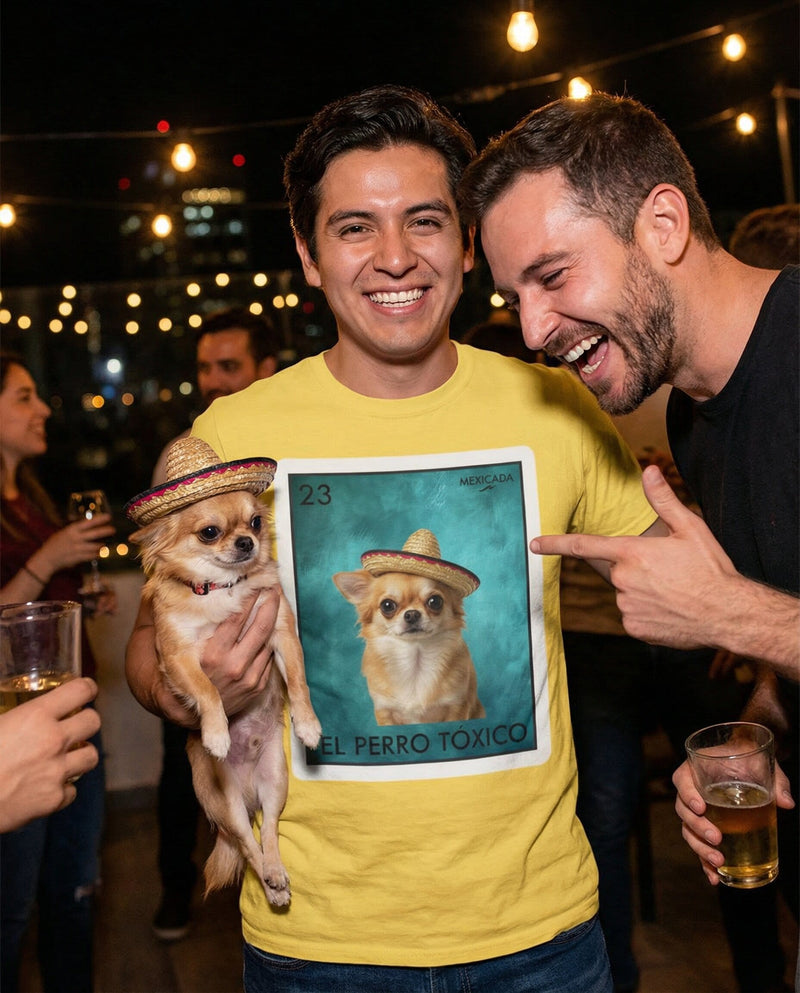

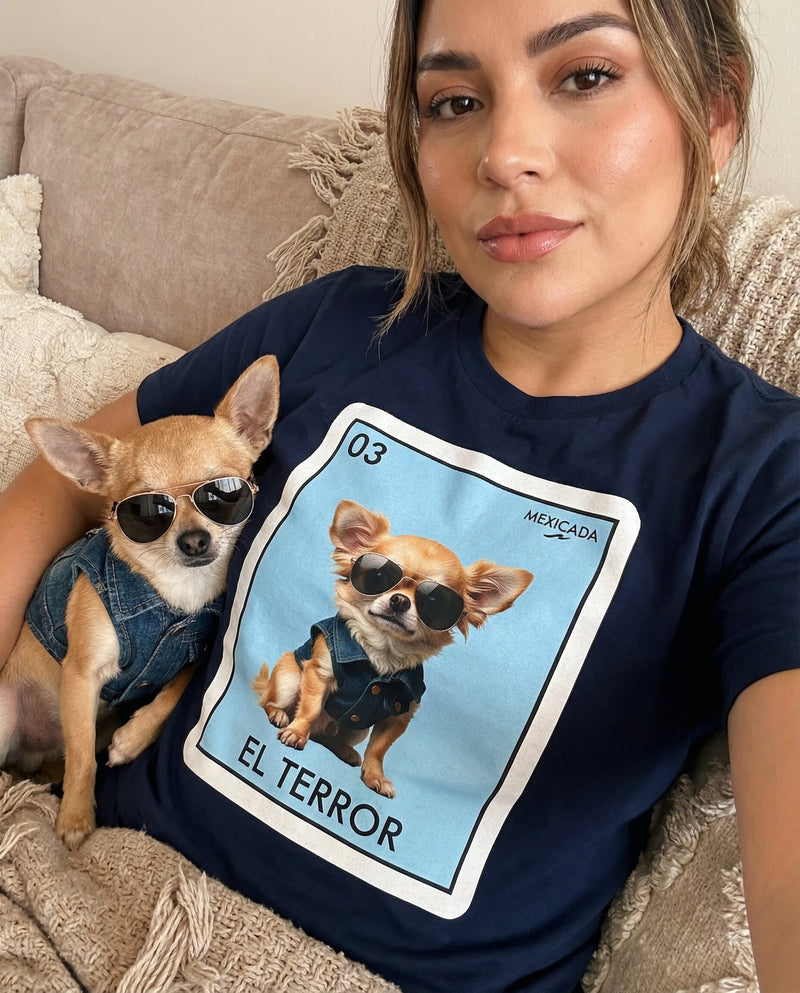

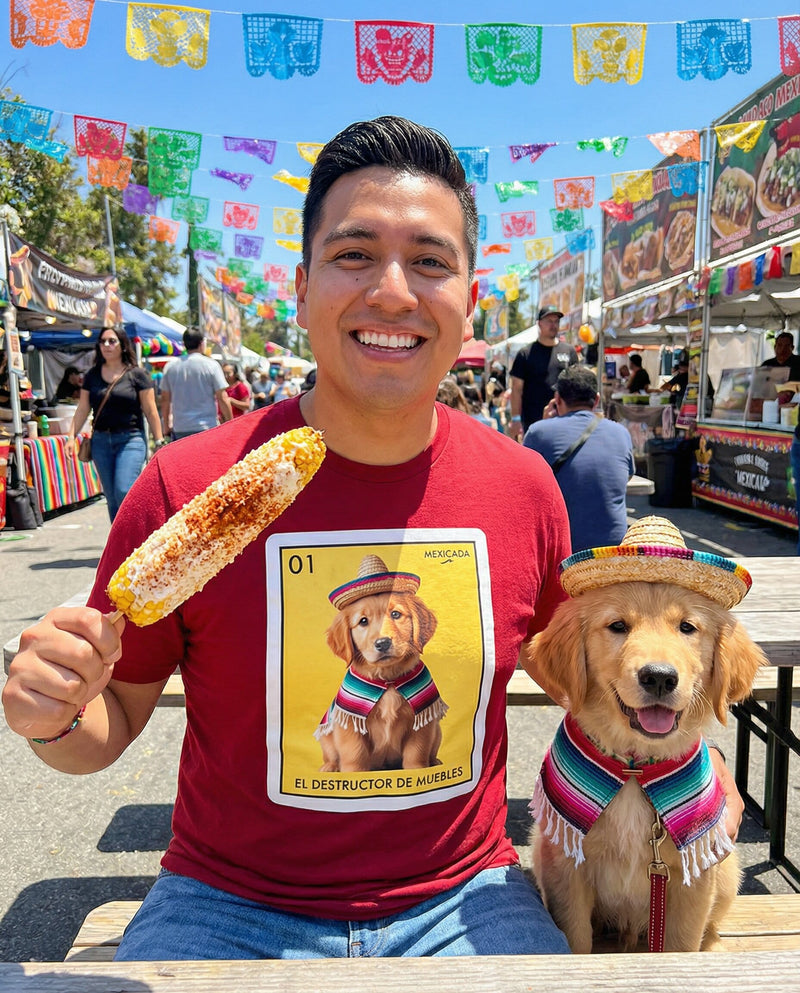


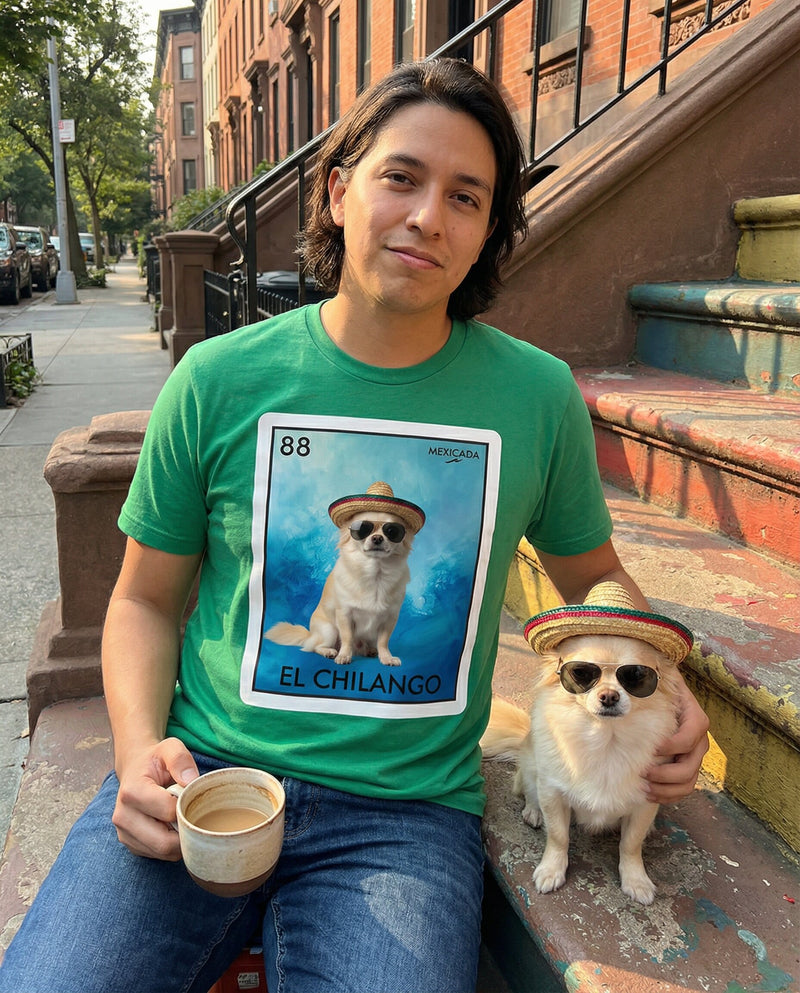



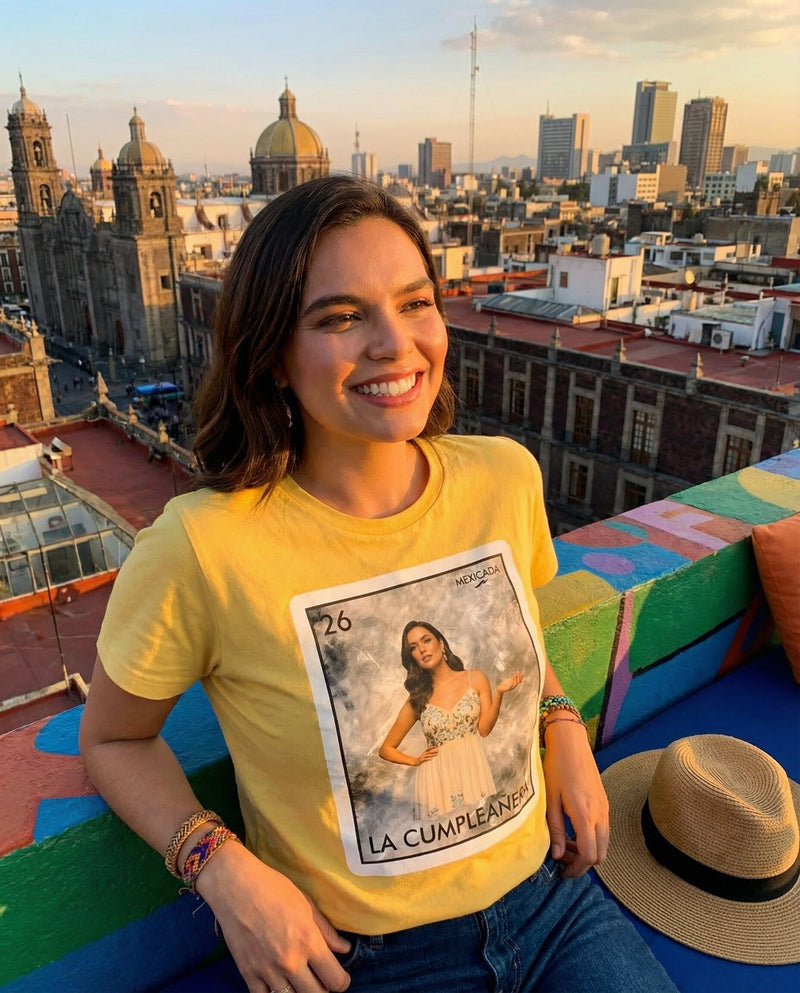
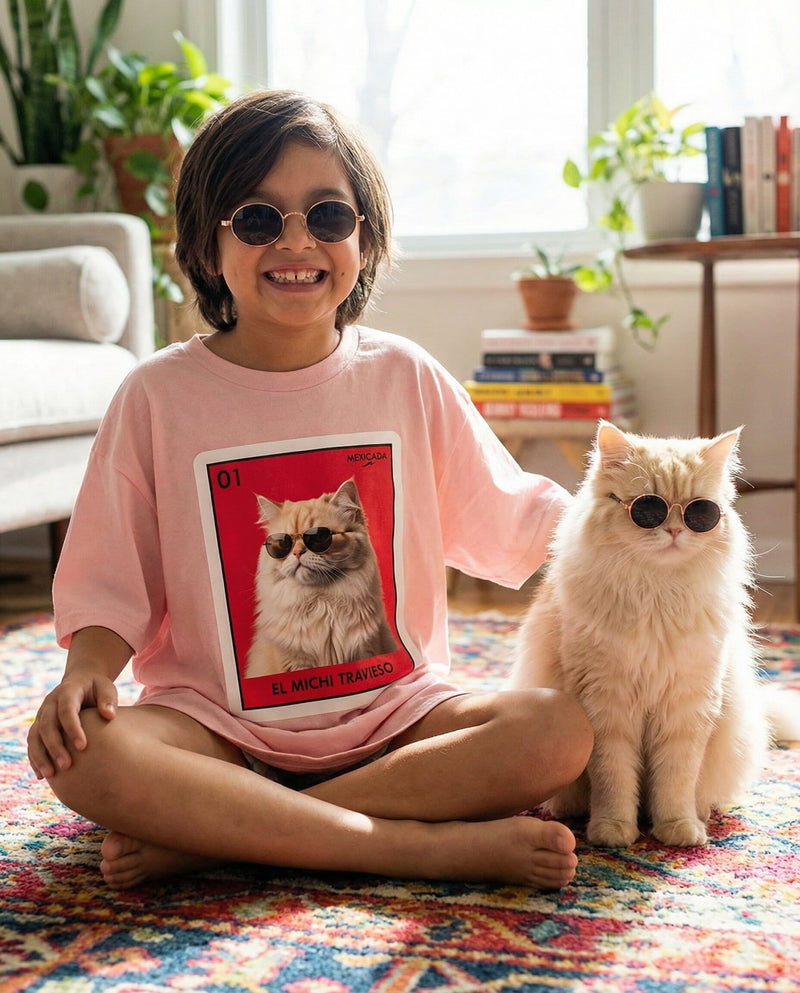
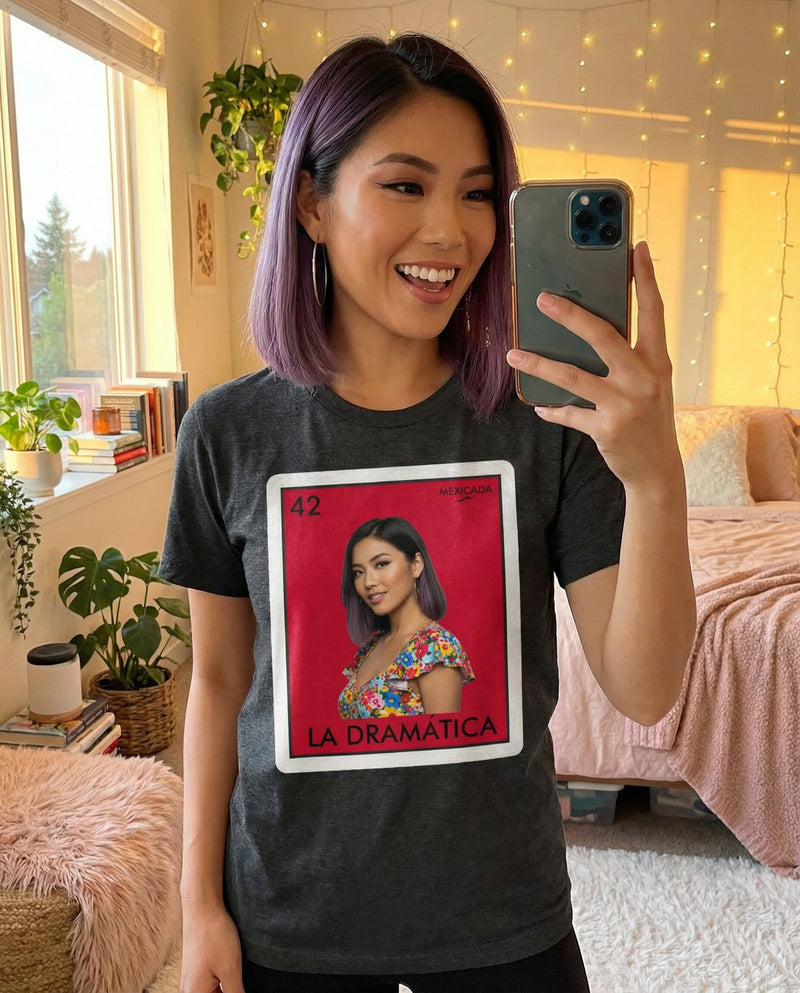

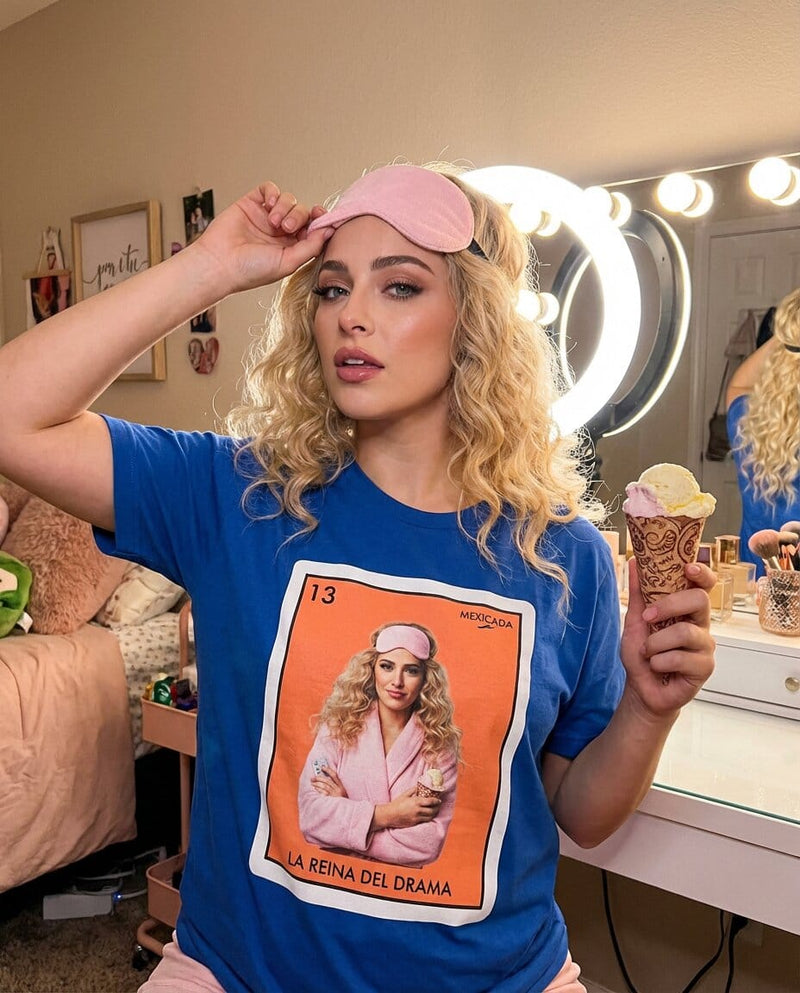


💖 Feel the Spirit of Fiesta with LA AGUILA 💖 Some shirts are just fabric—but this one? It’s a symbol of your heritage, your roots, your spirit. Des...
View full details
🦅 Embrace the Spirit of Freedom with LA ÁGUILA 🦅 Some shirts capture a moment. But this one? It’s a tribute to the bold, fearless spirit of the eag...
View full details
💖 Spread Your Wings with La Águila 💖 Some shirts are just designs—but this one? It’s your spirit, your culture, your pride—perfectly captured in a ...
View full details
💖 Feel the Spirit of Tradition, Live the Fun 💖 Every game of Lotería brings memories—laughter, competition, and those moments of pure joy. But what...
View full details
💖 Embrace Your Heritage with a Bold Twist 💖 There’s a feeling that comes when you wear something that’s more than just fabric. It’s a story, a cult...
View full details
💖 A Memory You Can Hold Forever 💖 Some shirts are just clothes—but this one? It’s you. It’s your story, your culture, your memories—all brought to ...
View full details
💖 Embrace the Spirit of the Eagle 💖 This isn’t just a T-shirt. This is your chance to wear the symbol of strength, freedom, and pride—captured in...
View full details
💖 Fly High with a Piece of Tradition 💖 Some shirts are just clothes—but this one? It’s your connection to heritage. With the bold, vibrant Águila d...
View full details
💖 Feel the Spirit of Freedom with Every Wear 💖 Some shirts are more than just fabric—they carry stories, culture, and pride. With the LA ÁGUILA Cu...
View full details
💖 Unleash Your Inner Scientist 💖 They say science is a world of its own—an adventure that unlocks the mysteries of life. But this La Cínica T-shirt...
View full details
💖 For the Love of Science and Style 💖 Some t-shirts are just clothes, but this one? It’s a celebration of who you are—a passionate clinician, a bri...
View full details
💜 Unleash Your Superpower with Style! 💜 Some days, you just have to embrace the cynic inside of you. And now, you can wear it proudly. This El Cini...
View full details
💖 Wear Your Vibe, Embrace Your Culture 💖 Some shirts are just shirts—but this one? It’s your story, brought to life in vibrant colors and playful d...
View full details
💖 Your Vibe, Your Lotería 💖 Imagine walking into a room and feeling all eyes on you. Not because you're trying, but because you're effortlessly glo...
View full details
💖 Unleash Your Inner Icon 💖 Some shirts are just clothing, but this one? It’s a statement. A bold mix of fun, style, and culture—this isn’t just an...
View full details
💖 Your Heart, Your Story, Your Pride 💖 Some shirts are just shirts, but this one? It's more. It’s your personal celebration of love, culture, and p...
View full details
💖 Your Style, Your Story 💖 Every design has a story—but this one? It’s a celebration of you, wrapped up in the vibrant colors and playful spirit of...
View full details
💖 The Magic of Nostalgia and Culture Combined 💖 Some shirts are just clothes—but this one? It’s your heritage. It’s a joyful celebration of traditi...
View full details
💖 Wear Your Story, Live Your Legacy 💖 Every design tells a story, but some go even deeper. Imagine wearing a piece of your culture, your memories, ...
View full details
💖 Your New Favorite Tee 💖 Some shirts are just clothes—but this one? It’s you. It’s your story, your vibe, your roots—expressed in a fun, unforgett...
View full details English


Leave a comment