

Cart

Have you ever touched a painting and felt it speak to you? In the world of Mexican folk art, textures do exactly that—they don’t just catch your eye, they capture your heart. The unique textures in this art style do more than just create visual interest; they bring emotions to life and invite you into a world of deeper feelings. Whether it’s the rough strokes of a hand-painted tile or the intricate patterns of woven fabric, each texture is a window into a feeling, a memory, or a story waiting to be told. So, how do these textures work their magic in creative work? Let’s dive in!
When we think about art, we often focus on colors and shapes. But what about the feel of the art? Textures in Mexican folk art are more than just decorative—they evoke feelings that go beyond what the eyes can see. For example, rough textures might represent strength or resilience, while smoother ones could reflect serenity and peace. This emotional depth is what makes Mexican folk art so rich and impactful. By adding physicality to the visual experience, textures draw the viewer’s emotions into the artwork, creating a sense of connection that goes beyond surface-level aesthetics.
In Mexican folk art, textures tell stories that words often cannot. Take the hand-woven textiles that are central to the culture. Each knot, twist, and weave represents hours of labor, passed down from one generation to the next. These textures are more than just craft—they are a testament to the history and struggles of the people. The vibrant embroidery found in traditional clothing, for instance, doesn’t just beautify the fabric; it serves as a narrative, with every stitch a chapter in the wearer’s life or community. The way the texture shifts and changes across the fabric tells the story of the person wearing it, making it a personal and emotional experience.
The creative process can often feel like hitting a wall. But in the world of Mexican folk art, textures can help break through those blocks. When artists play with textures—whether it’s the roughness of stone or the smoothness of clay—they experiment with how each texture can convey different emotions or moods. This tactile interaction encourages new ideas, making the art more than just visual—it becomes a multisensory experience that connects directly with the soul. Artists can use textures to express complex emotions like love, grief, joy, and nostalgia, giving them an outlet for self-expression that feels truly authentic.
Mexican folk art often pairs bold colors with contrasting textures, which enhances the emotional impact. Imagine a bright, fiery red background contrasted with the rough texture of a handmade wooden sculpture. The color energizes the art, while the texture grounds it in reality, creating an emotional balance that’s as dynamic as it is beautiful. It’s like feeling both energized and comforted at the same time—just by looking at the piece. This marriage of color and texture transforms simple art into a deep emotional journey, inviting the viewer to feel something beyond what’s visible.
Textures in Mexican folk art are not just for show. They are the heartbeat of the art, giving it emotional depth and making it come alive in a way that words alone can’t. Whether you’re a creator or a lover of art, understanding the emotional significance of texture can unlock new layers of meaning in your own work. So next time you admire a piece of Mexican folk art, take a moment to appreciate not just the colors and patterns, but the textures that give it life—and the emotions it stirs in you.

Listen Now 0:00 0m 00s left – 0:00 ...

Listen Now 0:00 0m 00s left – 0:00 ...

Listen Now 0:00 0m 00s left – 0:00 ...

Listen Now 0:00 0m 00s left – 0:00 ...

Listen Now 0:00 0m 00s left – 0:00 ...

Listen Now 0:00 0m 00s left – 0:00 ...

Listen Now 0:00 0m 00s left – 0:00 ...

Listen Now 0:00 0m 00s left – 0:00 ...

Listen Now 0:00 0m 00s left – 0:00 ...

Listen Now 0:00 0m 00s left – 0:00 ...

Listen Now 0:00 0m 00s left – 0:00 ...
Listen Now 0:00 0m 00s left – 0:00 ...
Listen Now 0:00 0m 00s left – 0:00 ...

Listen Now 0:00 0m 00s left – 0:00 ...
Listen Now 0:00 0m 00s left – 0:00 ...

Listen Now 0:00 0m 00s left – 0:00 ...
Listen Now 0:00 0m 00s left – 0:00 ...
Listen Now 0:00 0m 00s left – 0:00 ...
Listen Now 0:00 0m 00s left – 0:00 ...
Listen Now 0:00 0m 00s left – 0:00 ...
Listen Now 0:00 0m 00s left – 0:00 ...
Listen Now 0:00 0m 00s left – 0:00 ...
Listen Now 0:00 0m 00s left – 0:00 ...
Listen Now 0:00 0m 00s left – 0:00 ...
Listen Now 0:00 0m 00s left – 0:00 ...
Listen Now 0:00 0m 00s left – 0:00 ...
Listen Now 0:00 0m 00s left – 0:00 ...
Listen Now 0:00 0m 00s left – 0:00 ...
Listen Now 0:00 0m 00s left – 0:00 ...
Listen Now 0:00 0m 00s left – 0:00 ...
Listen Now 0:00 0m 00s left – 0:00 ...
Listen Now 0:00 0m 00s left – 0:00 ...
Listen Now 0:00 0m 00s left – 0:00 ...
Listen Now 0:00 0m 00s left – 0:00 ...
Listen Now 0:00 0m 00s left – 0:00 ...
Listen Now 0:00 0m 00s left – 0:00 ...
Listen Now 0:00 0m 00s left – 0:00 ...
Listen Now 0:00 0m 00s left – 0:00 ...
Listen Now 0:00 0m 00s left – 0:00 ...
Listen Now 0:00 0m 00s left – 0:00 ...
Listen Now 0:00 0m 00s left – 0:00 ...
Listen Now 0:00 0m 00s left – 0:00 ...
Listen Now 0:00 0m 00s left – 0:00 ...
Listen Now 0:00 0m 00s left – 0:00 ...
Listen Now 0:00 0m 00s left – 0:00 ...
Listen Now 0:00 0m 00s left – 0:00 ...
Listen Now 0:00 0m 00s left – 0:00 ...
Listen Now 0:00 0m 00s left – 0:00 ...
Listen Now 0:00 0m 00s left – 0:00 ...
Designs from the Community








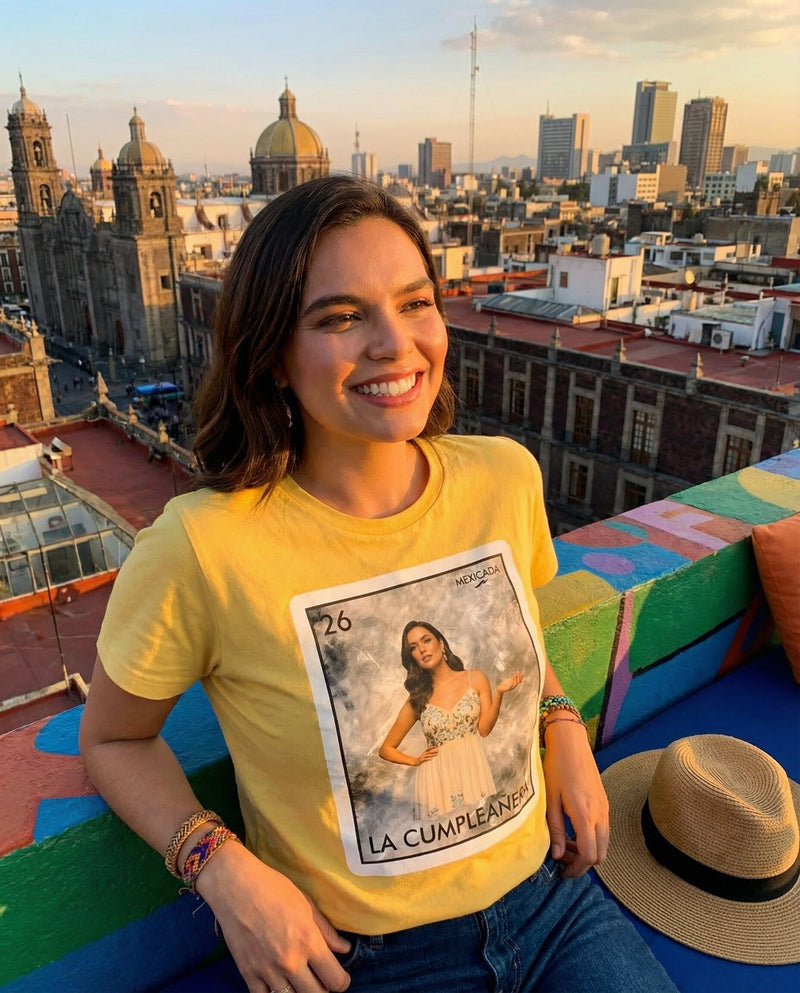
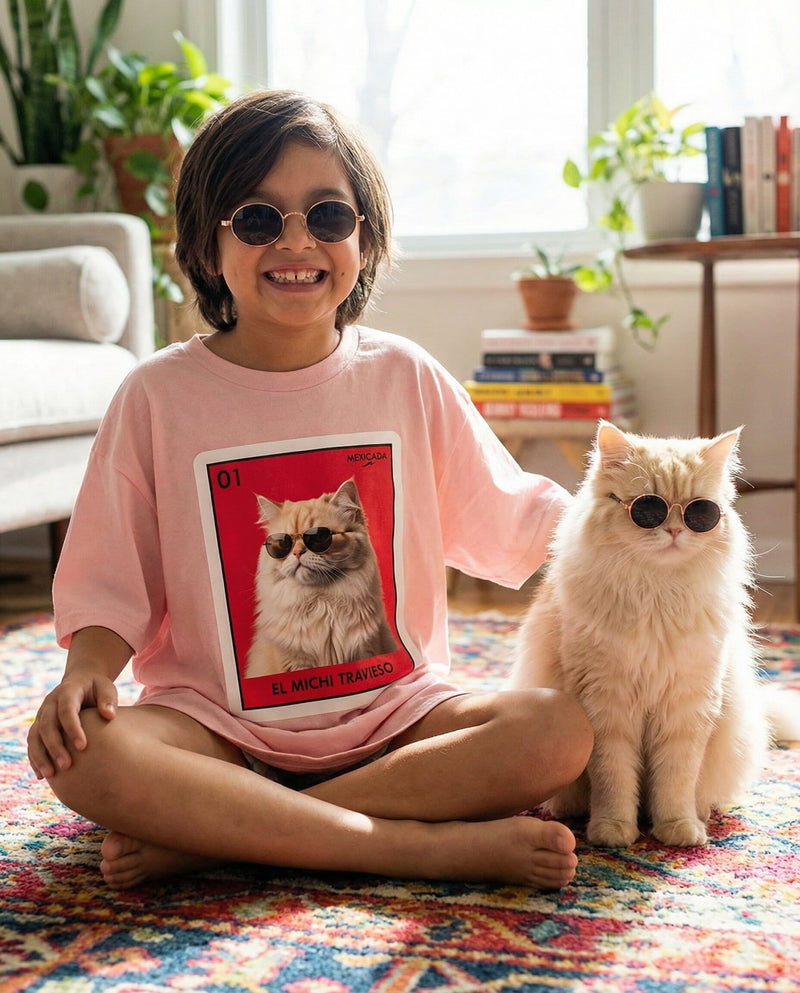
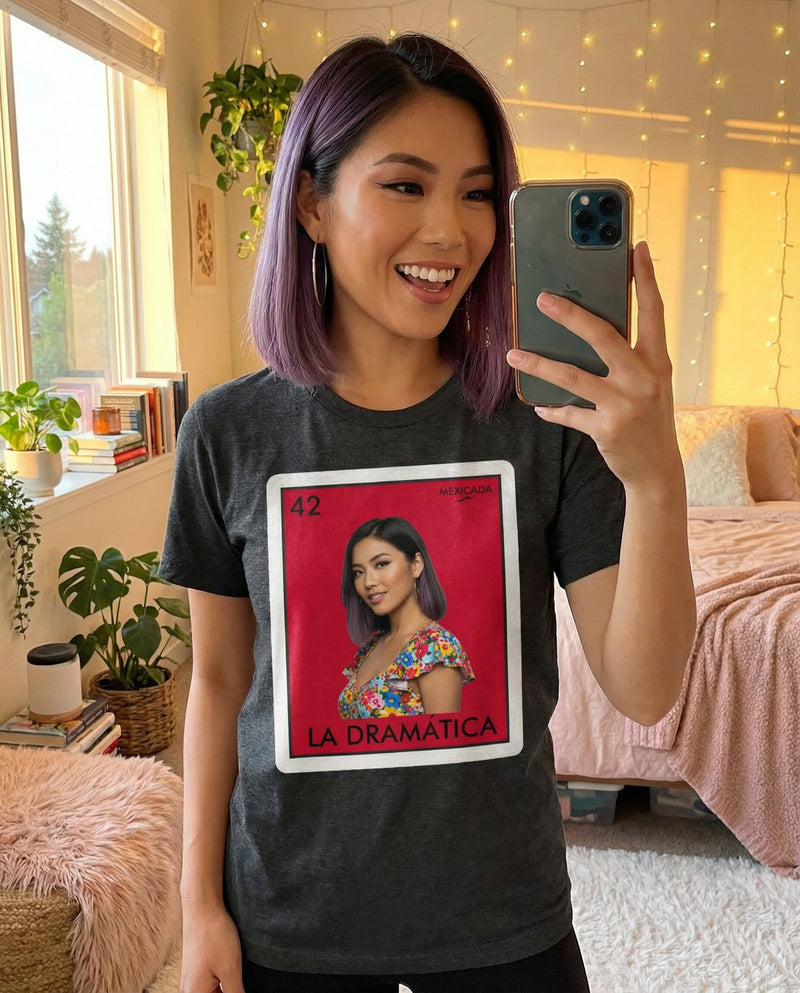


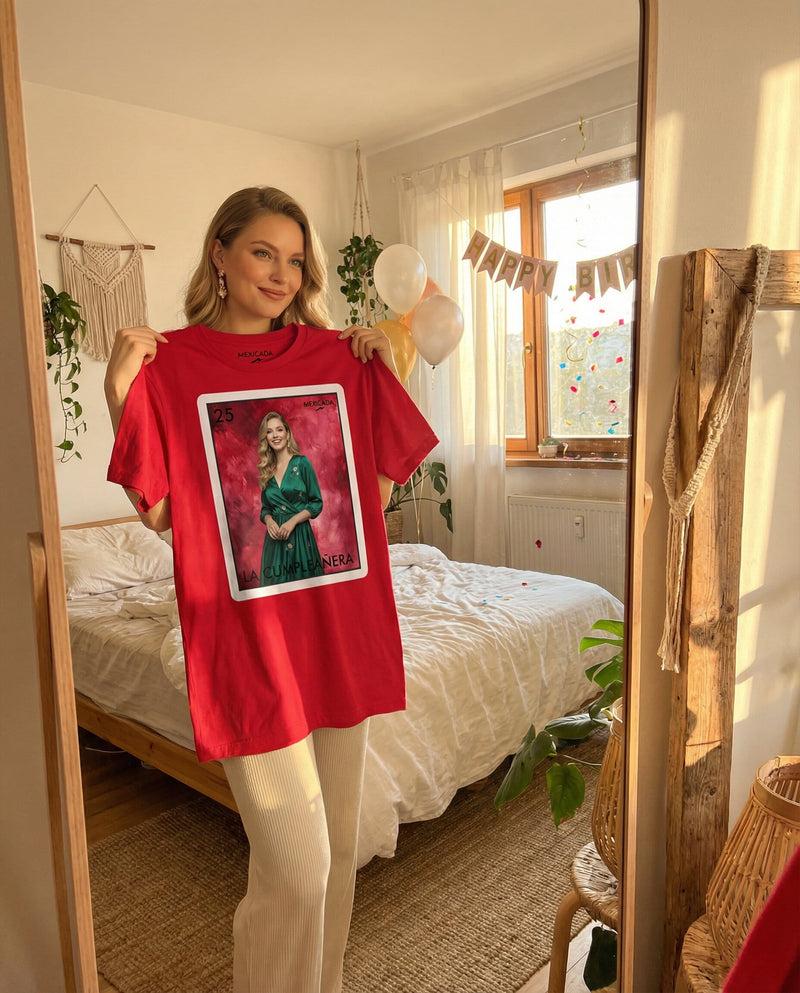


💖 Feel the Spirit of Fiesta with LA AGUILA 💖 Some shirts are just fabric—but this one? It’s a symbol of your heritage, your roots, your spirit. Des...
View full details
🦅 Embrace the Spirit of Freedom with LA ÁGUILA 🦅 Some shirts capture a moment. But this one? It’s a tribute to the bold, fearless spirit of the eag...
View full details
💖 Spread Your Wings with La Águila 💖 Some shirts are just designs—but this one? It’s your spirit, your culture, your pride—perfectly captured in a ...
View full details
💖 Feel the Spirit of Tradition, Live the Fun 💖 Every game of Lotería brings memories—laughter, competition, and those moments of pure joy. But what...
View full details
💖 Embrace Your Heritage with a Bold Twist 💖 There’s a feeling that comes when you wear something that’s more than just fabric. It’s a story, a cult...
View full details
💖 A Memory You Can Hold Forever 💖 Some shirts are just clothes—but this one? It’s you. It’s your story, your culture, your memories—all brought to ...
View full details
💖 Embrace the Spirit of the Eagle 💖 This isn’t just a T-shirt. This is your chance to wear the symbol of strength, freedom, and pride—captured in...
View full details
💖 Fly High with a Piece of Tradition 💖 Some shirts are just clothes—but this one? It’s your connection to heritage. With the bold, vibrant Águila d...
View full details
💖 Feel the Spirit of Freedom with Every Wear 💖 Some shirts are more than just fabric—they carry stories, culture, and pride. With the LA ÁGUILA Cu...
View full details
💖 Unleash Your Inner Scientist 💖 They say science is a world of its own—an adventure that unlocks the mysteries of life. But this La Cínica T-shirt...
View full details
💖 For the Love of Science and Style 💖 Some t-shirts are just clothes, but this one? It’s a celebration of who you are—a passionate clinician, a bri...
View full details
💜 Unleash Your Superpower with Style! 💜 Some days, you just have to embrace the cynic inside of you. And now, you can wear it proudly. This El Cini...
View full details
💖 Wear Your Vibe, Embrace Your Culture 💖 Some shirts are just shirts—but this one? It’s your story, brought to life in vibrant colors and playful d...
View full details
💖 Your Vibe, Your Lotería 💖 Imagine walking into a room and feeling all eyes on you. Not because you're trying, but because you're effortlessly glo...
View full details
💖 Unleash Your Inner Icon 💖 Some shirts are just clothing, but this one? It’s a statement. A bold mix of fun, style, and culture—this isn’t just an...
View full details
💖 Your Heart, Your Story, Your Pride 💖 Some shirts are just shirts, but this one? It's more. It’s your personal celebration of love, culture, and p...
View full details
💖 Your Style, Your Story 💖 Every design has a story—but this one? It’s a celebration of you, wrapped up in the vibrant colors and playful spirit of...
View full details
💖 The Magic of Nostalgia and Culture Combined 💖 Some shirts are just clothes—but this one? It’s your heritage. It’s a joyful celebration of traditi...
View full details
💖 Wear Your Story, Live Your Legacy 💖 Every design tells a story, but some go even deeper. Imagine wearing a piece of your culture, your memories, ...
View full details
💖 Your New Favorite Tee 💖 Some shirts are just clothes—but this one? It’s you. It’s your story, your vibe, your roots—expressed in a fun, unforgett...
View full details English


Leave a comment