

Cart

In a world where family ties are as strong as the aroma of fresh tortillas, Mexican families often find themselves juggling the complex world of discipline and caregiving. But when you throw in a large extended family, things can get even more interesting. Picture this: your abuela (grandmother) telling you one thing, while your tío (uncle) has a completely different take on your behavior, all while your cousins are either cheering you on or laughing at you from the sidelines. This is the reality of growing up in a big Mexican family, where multiple generations share the load of raising the next generation. But how do Mexican parents manage discipline and caregiving when the family tree is more like a family forest?
When it comes to discipline in a Mexican family, it’s not just mom and dad who hold the reigns. No, in these large families, the job is a group effort. You have aunts, uncles, older siblings, and even cousins weighing in on your behavior. While this might sound like chaos, it’s actually a beautiful example of "it takes a village" in action. Discipline is often handled with a mix of respect for elders and a deep-rooted belief in the importance of keeping family unity. Everyone has a voice, and most of the time, that voice has something wise to say!
Discipline in Mexican families is not just about enforcing rules; it’s about teaching respect, responsibility, and above all, love. Parents in large extended families often rely on the close-knit relationships they share with relatives to make sure their kids grow up knowing right from wrong. But here's the twist—discipline doesn't always come with a scolding. Instead, it's often woven into the fabric of everyday life, like reminding kids to say "gracias" (thank you) and "por favor" (please) at the dinner table. It’s all about instilling values that keep the family close-knit and respectful, while maintaining a sense of fun and playfulness that kids love.
In large Mexican families, grandparents play a crucial role not just in pampering grandkids with homemade sweets, but also in providing emotional guidance. They are the anchors in a sea of cousins, aunts, and uncles. When it comes to discipline, grandmas and grandpas are often the ones who gently nudge the little ones back on track with a warm smile and a "Ay, mijo/a, eso no se hace" (Oh, dear, you shouldn’t do that). Their advice carries weight because they’ve seen it all, from diaper changes to the ups and downs of raising a family. In many ways, grandparents are the glue that holds the family together, ensuring that discipline is handled with both firmness and tenderness.
Forget the idea that parenting in Mexican families is a solo act—it’s all hands on deck! When a parent needs a break, there’s always a cousin, an aunt, or an older sibling ready to step in. In fact, it’s common for parents to rely on extended family members for childcare, making sure that kids are not only cared for but also learning from a variety of perspectives. Each family member brings something unique to the table—whether it's a lesson in cooking from tía (aunt) or a lesson in soccer from primo (cousin). This shared caregiving not only eases the burden on the parents but also creates a rich environment where kids learn from many sources, which can be incredibly beneficial for their development.
In the end, discipline and caregiving in large Mexican families are about more than just keeping kids in line—it’s about creating a sense of belonging, respect, and love that stretches across generations. The extended family structure helps kids learn the value of community, the importance of listening to their elders, and the joy of spending time with those they love. Whether it's through shared discipline or collective caregiving, Mexican parents navigate the challenges of raising children with a strong sense of unity that serves as the backbone of the family unit. And let’s be honest—there's always someone nearby ready to give a little love, guidance, or a well-timed laugh along the way!

Listen Now 0:00 0m 00s left – 0:00 ...

Listen Now 0:00 0m 00s left – 0:00 ...

Listen Now 0:00 0m 00s left – 0:00 ...

Listen Now 0:00 0m 00s left – 0:00 ...

Listen Now 0:00 0m 00s left – 0:00 ...

Listen Now 0:00 0m 00s left – 0:00 ...

Listen Now 0:00 0m 00s left – 0:00 ...

Listen Now 0:00 0m 00s left – 0:00 ...

Listen Now 0:00 0m 00s left – 0:00 ...

Listen Now 0:00 0m 00s left – 0:00 ...

Listen Now 0:00 0m 00s left – 0:00 ...
Listen Now 0:00 0m 00s left – 0:00 ...
Listen Now 0:00 0m 00s left – 0:00 ...

Listen Now 0:00 0m 00s left – 0:00 ...
Listen Now 0:00 0m 00s left – 0:00 ...

Listen Now 0:00 0m 00s left – 0:00 ...
Listen Now 0:00 0m 00s left – 0:00 ...
Listen Now 0:00 0m 00s left – 0:00 ...
Listen Now 0:00 0m 00s left – 0:00 ...
Listen Now 0:00 0m 00s left – 0:00 ...
Listen Now 0:00 0m 00s left – 0:00 ...
Listen Now 0:00 0m 00s left – 0:00 ...
Listen Now 0:00 0m 00s left – 0:00 ...
Listen Now 0:00 0m 00s left – 0:00 ...
Listen Now 0:00 0m 00s left – 0:00 ...
Listen Now 0:00 0m 00s left – 0:00 ...
Listen Now 0:00 0m 00s left – 0:00 ...
Listen Now 0:00 0m 00s left – 0:00 ...
Listen Now 0:00 0m 00s left – 0:00 ...
Listen Now 0:00 0m 00s left – 0:00 ...
Listen Now 0:00 0m 00s left – 0:00 ...
Listen Now 0:00 0m 00s left – 0:00 ...
Listen Now 0:00 0m 00s left – 0:00 ...
Listen Now 0:00 0m 00s left – 0:00 ...
Listen Now 0:00 0m 00s left – 0:00 ...
Listen Now 0:00 0m 00s left – 0:00 ...
Listen Now 0:00 0m 00s left – 0:00 ...
Listen Now 0:00 0m 00s left – 0:00 ...
Listen Now 0:00 0m 00s left – 0:00 ...
Listen Now 0:00 0m 00s left – 0:00 ...
Listen Now 0:00 0m 00s left – 0:00 ...
Listen Now 0:00 0m 00s left – 0:00 ...
Listen Now 0:00 0m 00s left – 0:00 ...
Listen Now 0:00 0m 00s left – 0:00 ...
Listen Now 0:00 0m 00s left – 0:00 ...
Listen Now 0:00 0m 00s left – 0:00 ...
Listen Now 0:00 0m 00s left – 0:00 ...
Listen Now 0:00 0m 00s left – 0:00 ...
Listen Now 0:00 0m 00s left – 0:00 ...
Designs from our Community
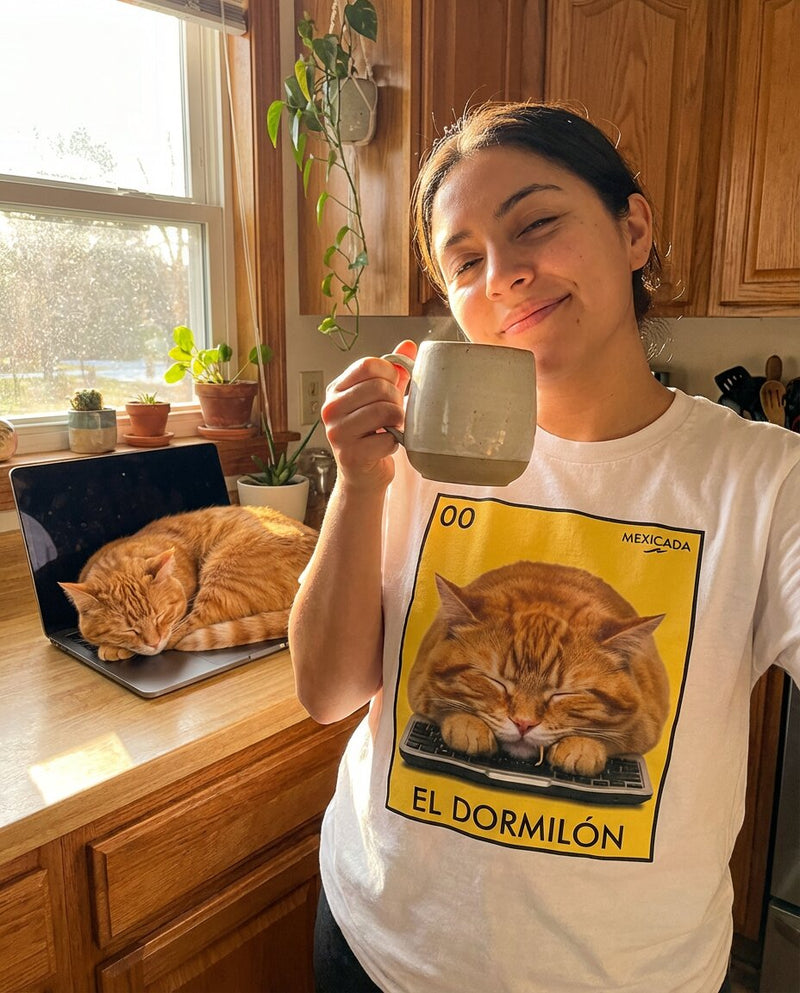

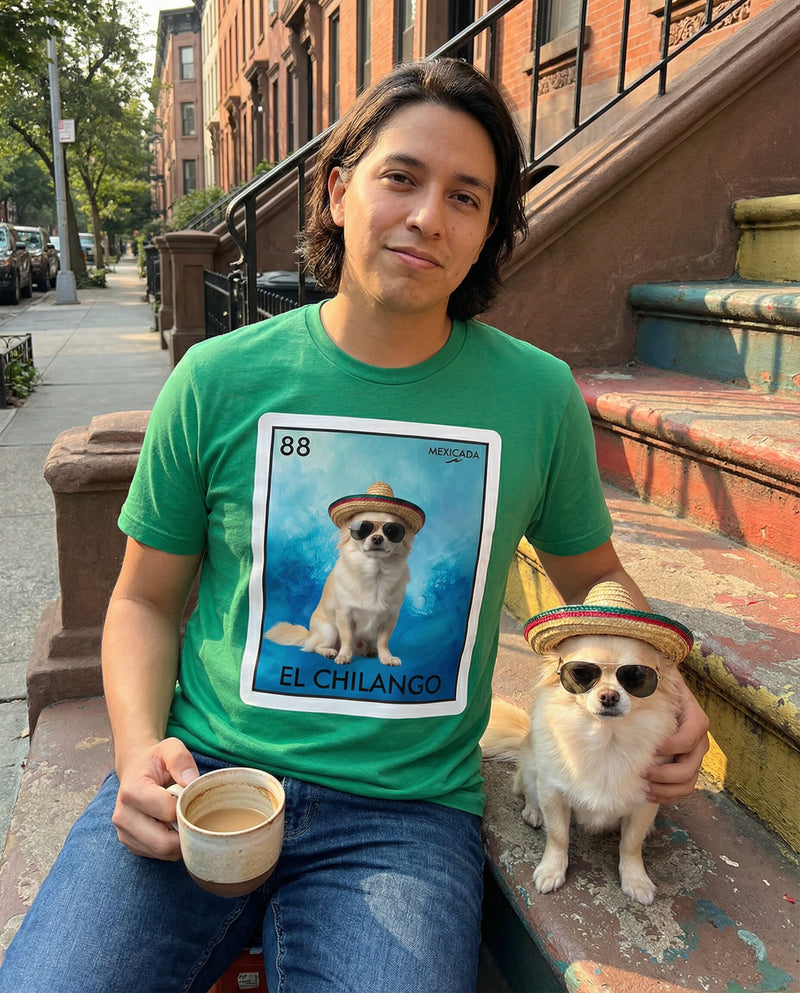
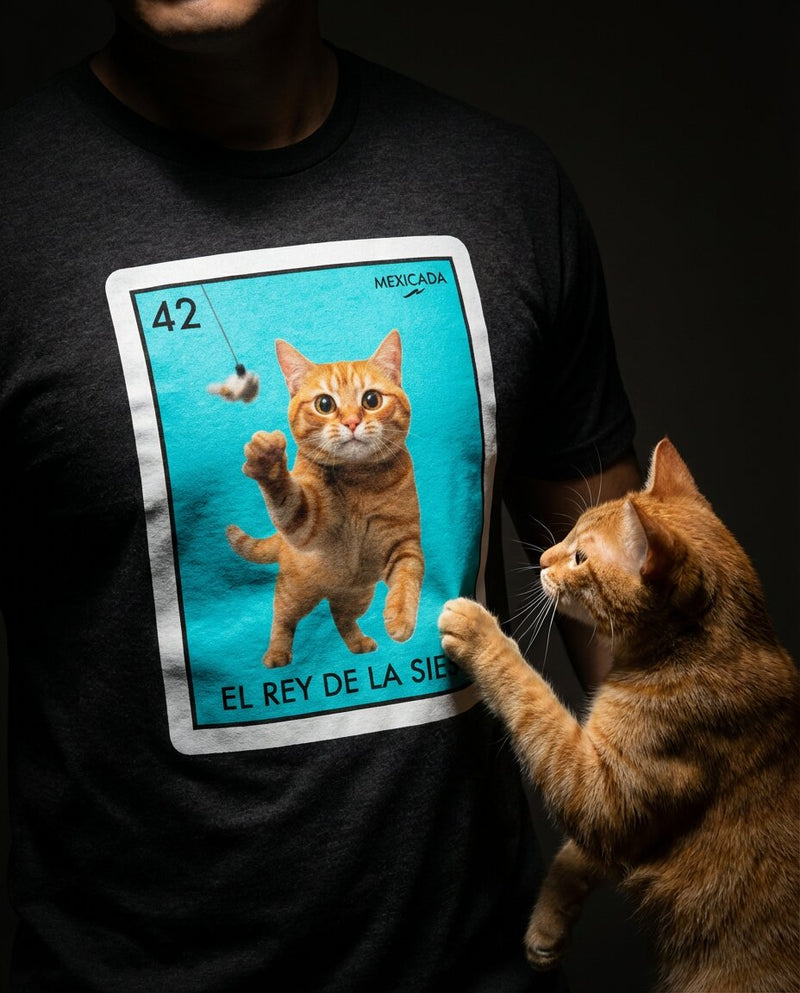
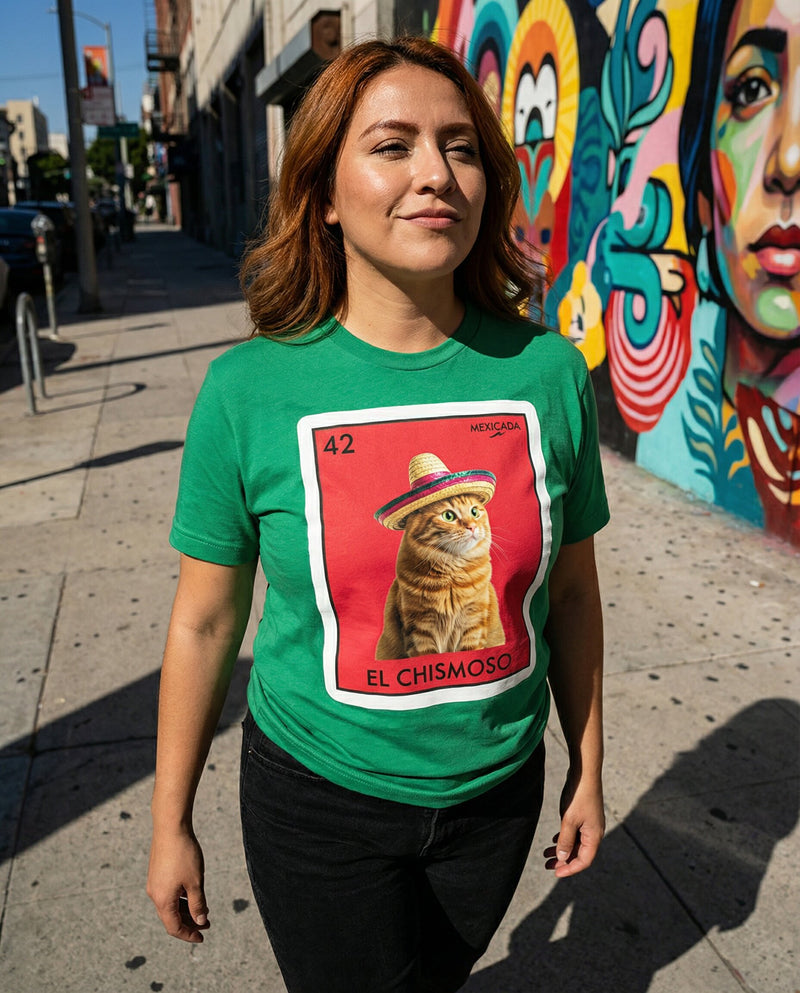
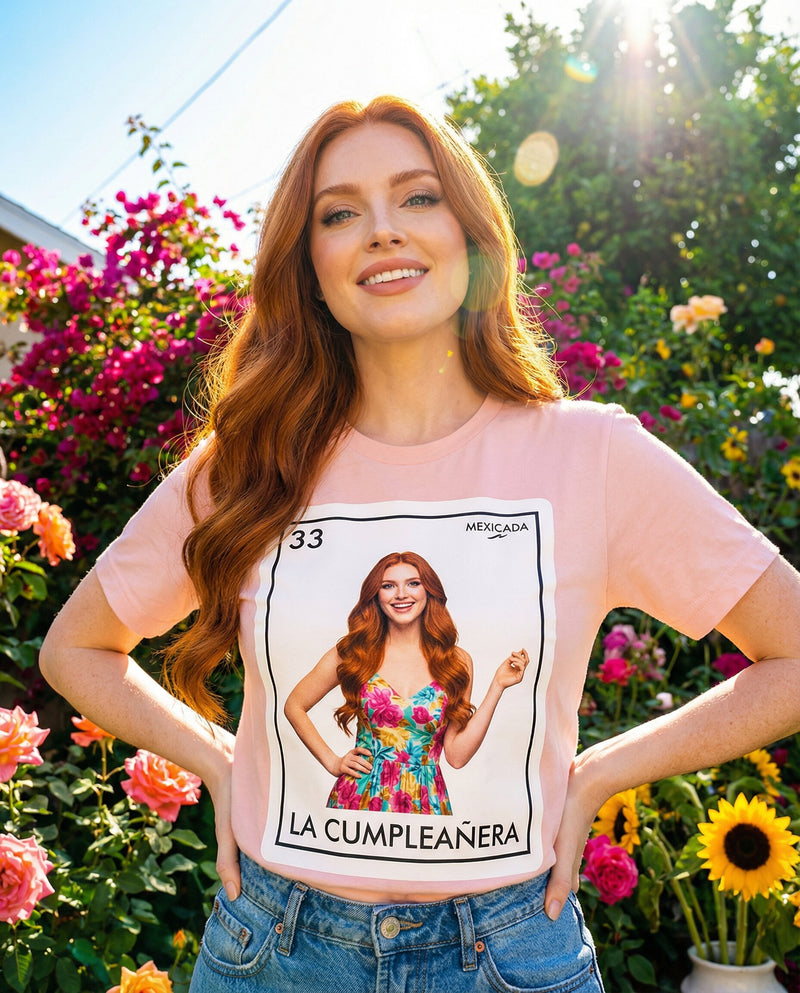
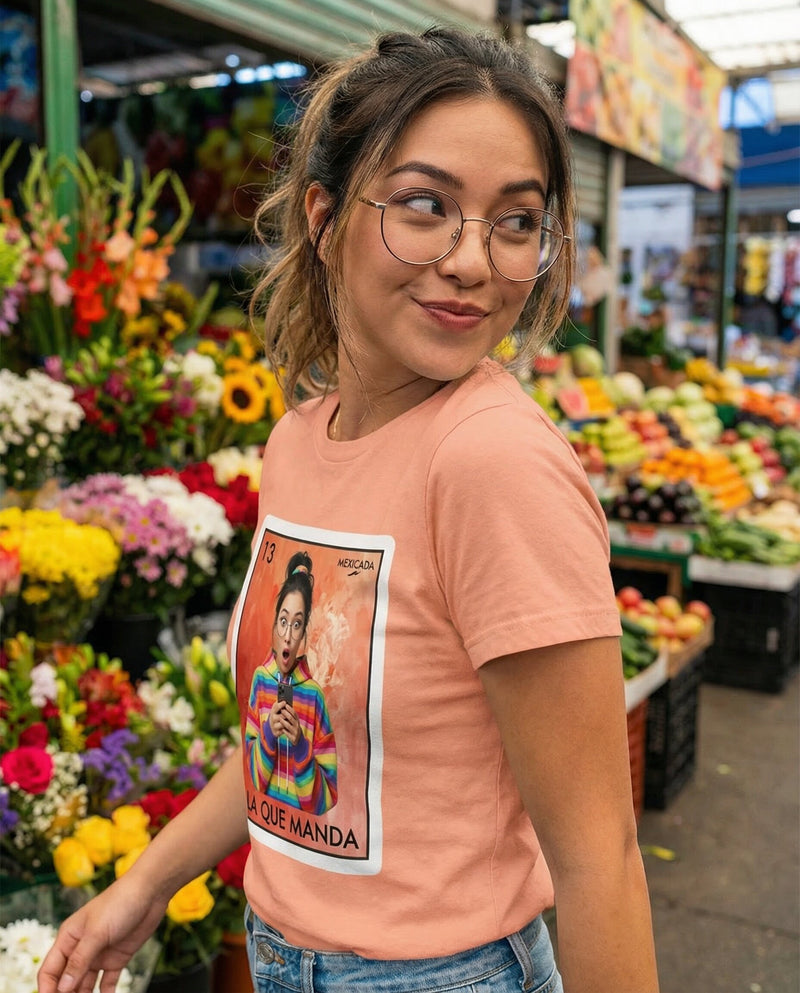
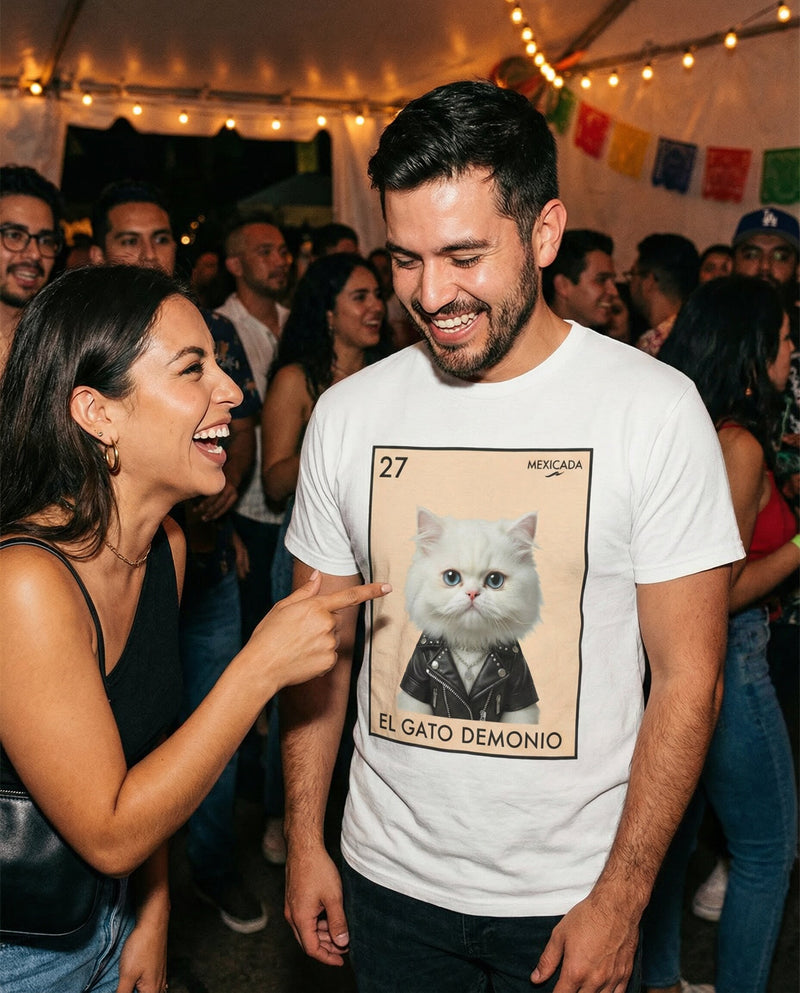
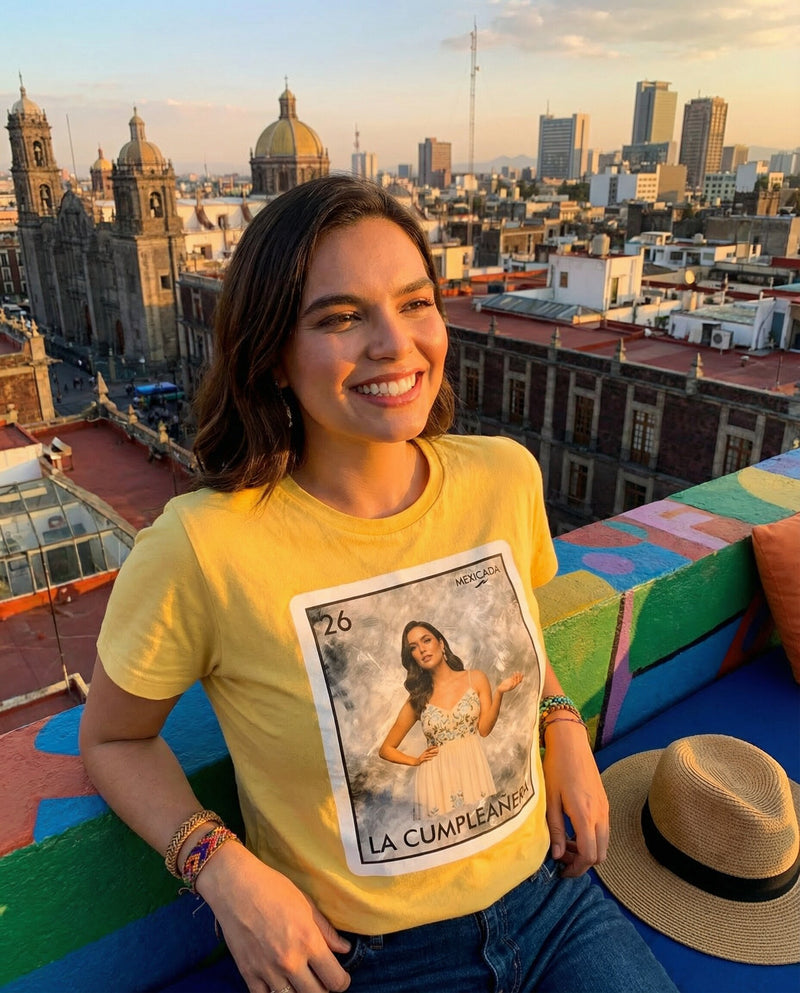
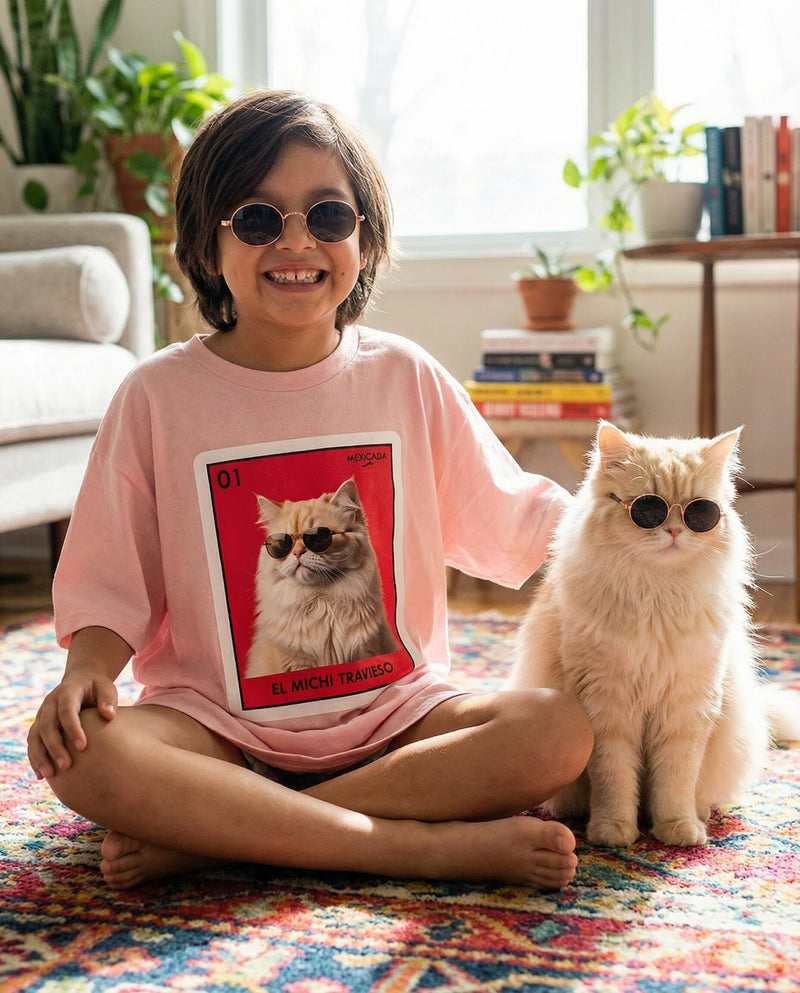
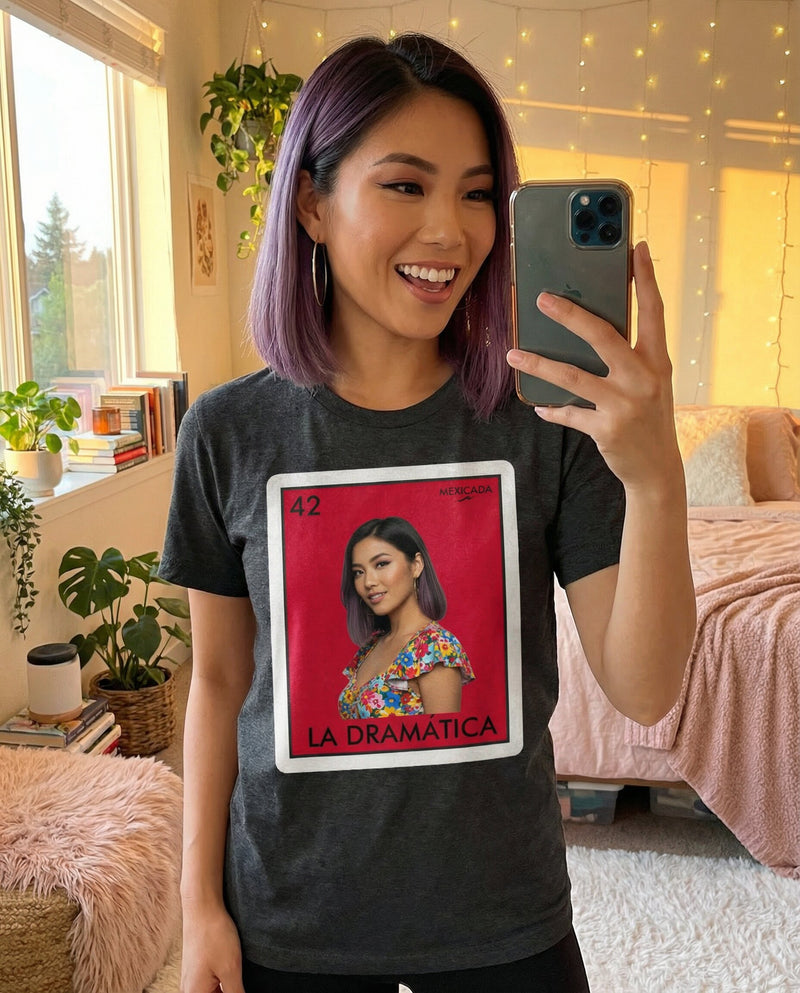
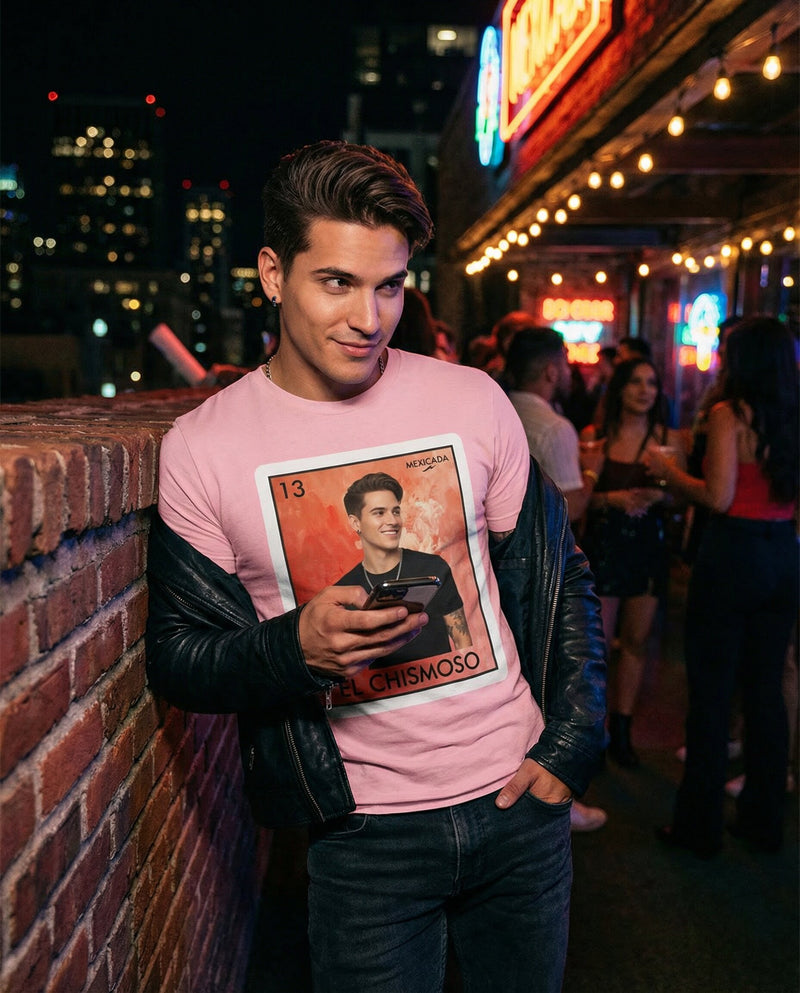
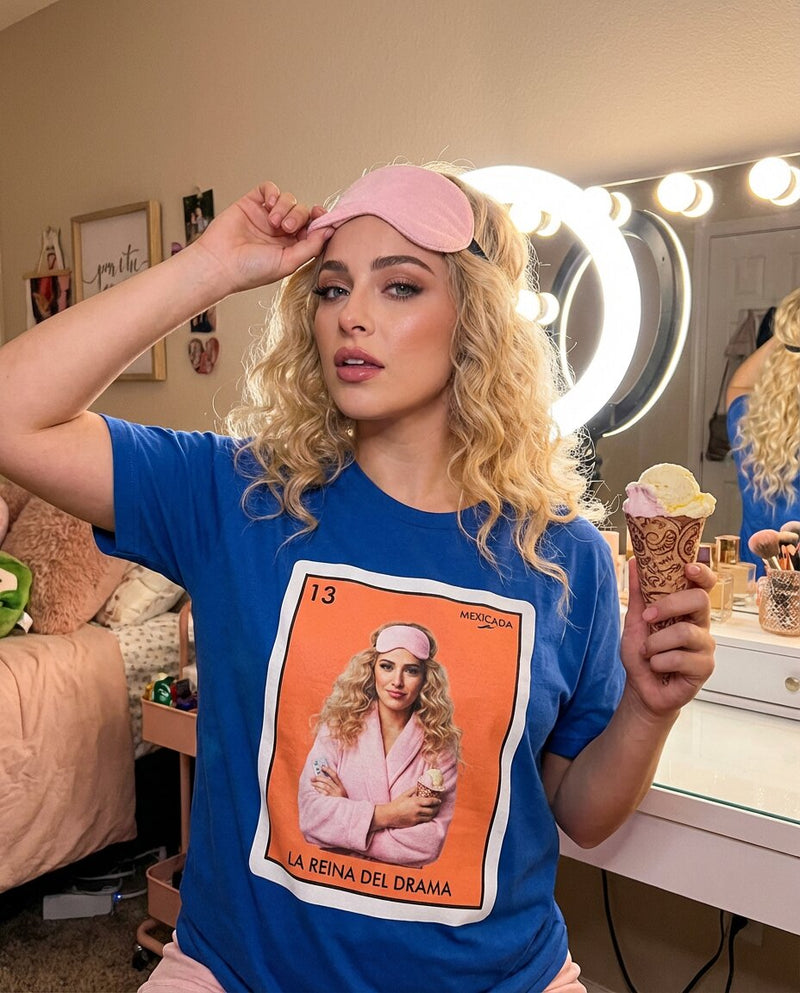
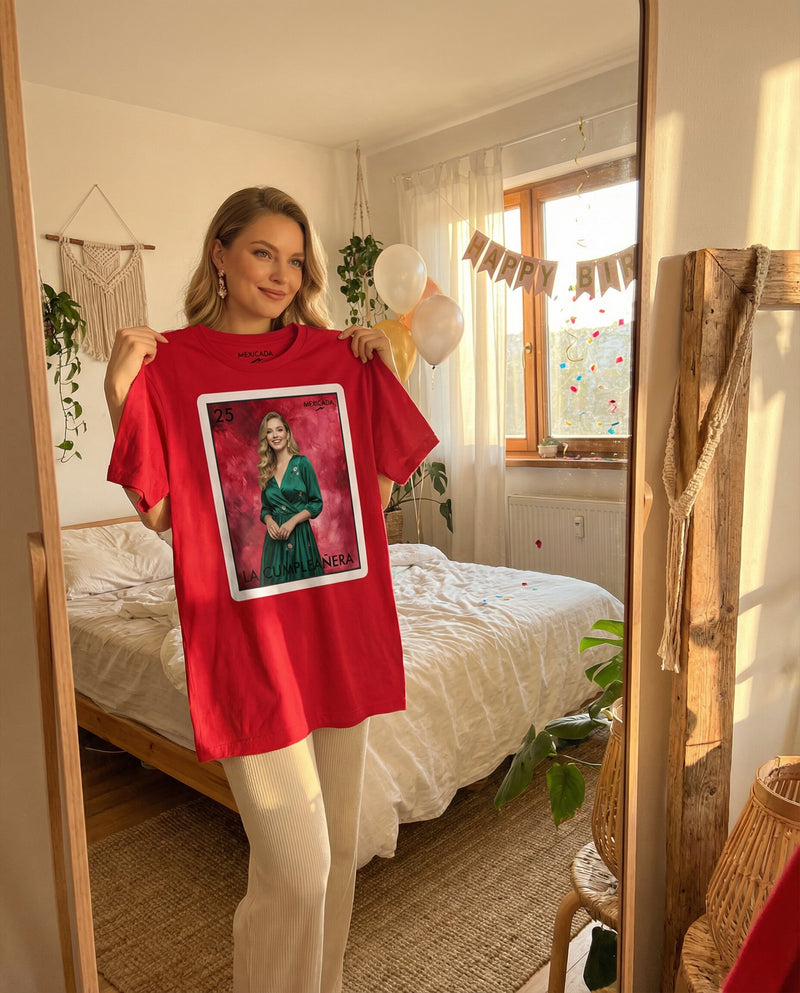
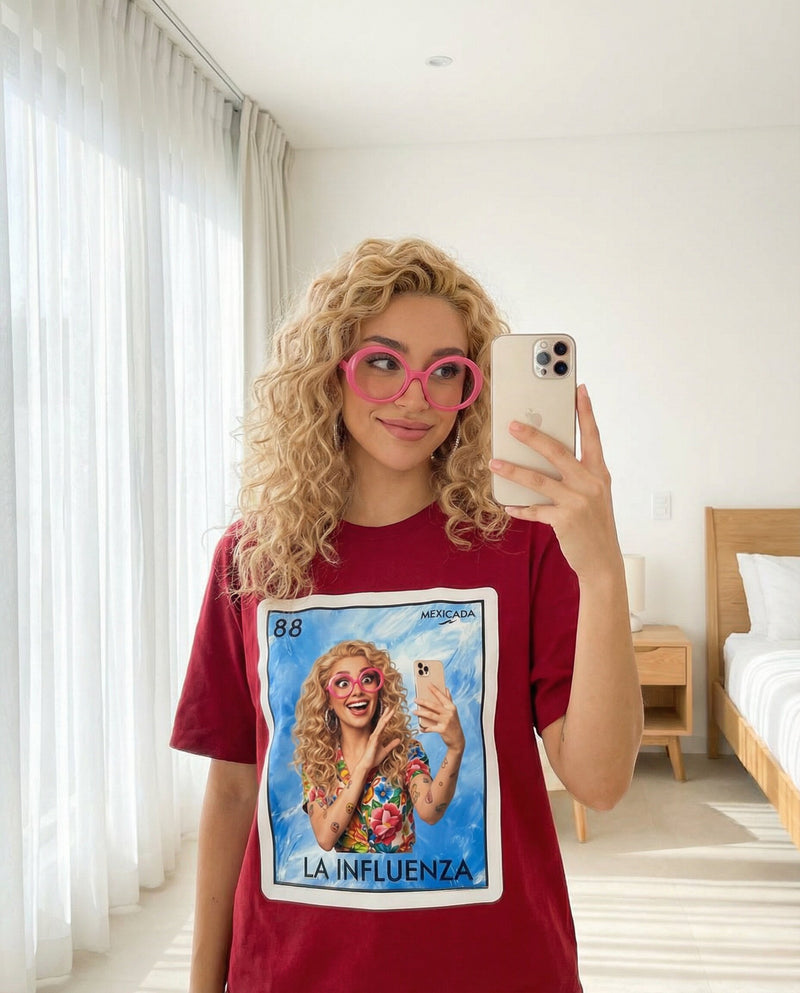
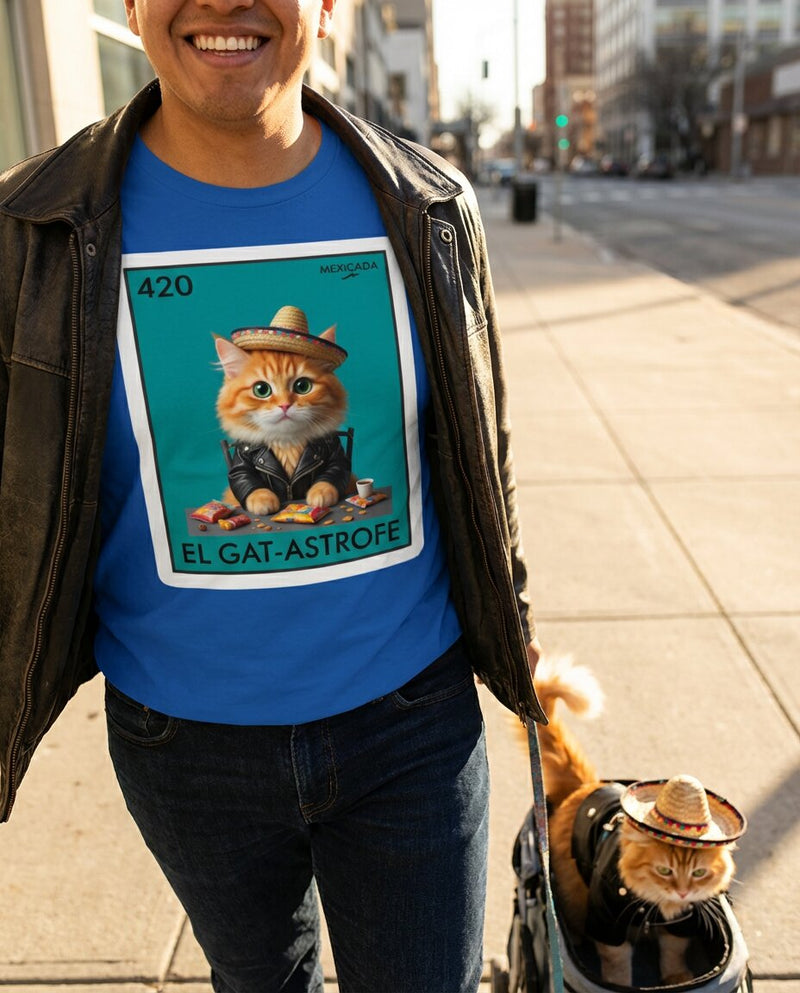

💖 Feel the Spirit of Fiesta with LA AGUILA 💖 Some shirts are just fabric—but this one? It’s a symbol of your heritage, your roots, your spirit. Des...
View full details
🦅 Embrace the Spirit of Freedom with LA ÁGUILA 🦅 Some shirts capture a moment. But this one? It’s a tribute to the bold, fearless spirit of the eag...
View full details
💖 Spread Your Wings with La Águila 💖 Some shirts are just designs—but this one? It’s your spirit, your culture, your pride—perfectly captured in a ...
View full details
💖 Feel the Spirit of Tradition, Live the Fun 💖 Every game of Lotería brings memories—laughter, competition, and those moments of pure joy. But what...
View full details
💖 Embrace Your Heritage with a Bold Twist 💖 There’s a feeling that comes when you wear something that’s more than just fabric. It’s a story, a cult...
View full details
💖 A Memory You Can Hold Forever 💖 Some shirts are just clothes—but this one? It’s you. It’s your story, your culture, your memories—all brought to ...
View full details
💖 Embrace the Spirit of the Eagle 💖 This isn’t just a T-shirt. This is your chance to wear the symbol of strength, freedom, and pride—captured in...
View full details
💖 Fly High with a Piece of Tradition 💖 Some shirts are just clothes—but this one? It’s your connection to heritage. With the bold, vibrant Águila d...
View full details
💖 Feel the Spirit of Freedom with Every Wear 💖 Some shirts are more than just fabric—they carry stories, culture, and pride. With the LA ÁGUILA Cu...
View full details
💖 Unleash Your Inner Scientist 💖 They say science is a world of its own—an adventure that unlocks the mysteries of life. But this La Cínica T-shirt...
View full details
💖 For the Love of Science and Style 💖 Some t-shirts are just clothes, but this one? It’s a celebration of who you are—a passionate clinician, a bri...
View full details
💜 Unleash Your Superpower with Style! 💜 Some days, you just have to embrace the cynic inside of you. And now, you can wear it proudly. This El Cini...
View full details
💖 Wear Your Vibe, Embrace Your Culture 💖 Some shirts are just shirts—but this one? It’s your story, brought to life in vibrant colors and playful d...
View full details
💖 Your Vibe, Your Lotería 💖 Imagine walking into a room and feeling all eyes on you. Not because you're trying, but because you're effortlessly glo...
View full details
💖 Unleash Your Inner Icon 💖 Some shirts are just clothing, but this one? It’s a statement. A bold mix of fun, style, and culture—this isn’t just an...
View full details
💖 Your Heart, Your Story, Your Pride 💖 Some shirts are just shirts, but this one? It's more. It’s your personal celebration of love, culture, and p...
View full details
💖 Your Style, Your Story 💖 Every design has a story—but this one? It’s a celebration of you, wrapped up in the vibrant colors and playful spirit of...
View full details
💖 The Magic of Nostalgia and Culture Combined 💖 Some shirts are just clothes—but this one? It’s your heritage. It’s a joyful celebration of traditi...
View full details
💖 Wear Your Story, Live Your Legacy 💖 Every design tells a story, but some go even deeper. Imagine wearing a piece of your culture, your memories, ...
View full details
💖 Your New Favorite Tee 💖 Some shirts are just clothes—but this one? It’s you. It’s your story, your vibe, your roots—expressed in a fun, unforgett...
View full details English


Leave a comment