

Cart

In a world where seniors are sometimes shuffled off to nursing homes and care facilities, Mexican families stand out for their deep-rooted traditions of taking care of older generations. So, what's the secret? Why is it that the elderly in Mexican households often have a sense of security and love that goes beyond just physical care? It’s a mix of culture, family bonds, and values that stretch back through the centuries—making sure that no one gets left behind. This article explores how Mexican family structures are uniquely designed to care for the older generations, ensuring they remain a cherished part of the family, no matter their age.
In Mexican culture, the family isn’t just a unit—it’s the backbone of daily life. Family members are deeply intertwined with one another, and caring for aging parents or grandparents is seen as a shared responsibility. The concept of “familismo,” or family loyalty, is central. It’s an unspoken rule: the older you get, the more you become the heart of the family. This creates an environment where older generations aren’t seen as burdens, but as honored figures who are given respect, attention, and care.
In many Mexican households, respecting elders is a fundamental principle. The elderly are often seen as the repository of wisdom, and their guidance is sought in almost every family decision. This respect ensures that they are never left to fend for themselves. It’s not just about food and shelter; it’s about providing emotional support, companionship, and a sense of purpose. Whether it’s living with children or close by, older members of the family are always within reach, ensuring they don’t feel isolated or neglected.
Mexican families are famous for their communal living arrangements. Multigenerational households are common, and this setup allows for constant interaction between different age groups. Older family members often share their wisdom, and in return, they receive daily assistance and love from younger generations. In this structure, the younger family members are raised with a deep sense of responsibility toward their elders, ensuring that they grow up knowing the importance of care and respect for the older generations.
Mexican culture is rich in festivals, holidays, and rituals that bring families together. These events provide an opportunity to celebrate and honor the older generations. From a simple Sunday family meal to elaborate celebrations like “Día de los Muertos” (Day of the Dead), there is always a space for the elderly to be celebrated, remembered, and revered. These traditions ensure that aging members of the family never feel like they are forgotten, and that they continue to be an active part of family life.
When it comes to physical care, Mexican families are known for their hands-on approach. Whether it’s helping with everyday tasks, providing medical care, or simply offering a listening ear, the elderly are supported in a very personal way. Often, this means that family members do not rely on professional caretakers or nursing homes, as the family itself takes on the role of the primary caregiver. This practical approach to caregiving ensures that elderly family members feel loved, comfortable, and in control of their daily lives.
In Mexican families, the well-being of older generations is not just an obligation—it’s a privilege. Through cultural traditions, familial bonds, and a deep respect for elders, the elderly are ensured not just a safe environment, but one filled with love, support, and constant companionship. In a society where so many elderly people are left to navigate life alone, Mexican family structures stand as a testament to the importance of caring for those who came before us. It’s a reminder that as we grow older, we too will be surrounded by the care and love of family—something that is truly priceless.

Listen Now 0:00 0m 00s left – 0:00 ...

Listen Now 0:00 0m 00s left – 0:00 ...

Listen Now 0:00 0m 00s left – 0:00 ...

Listen Now 0:00 0m 00s left – 0:00 ...

Listen Now 0:00 0m 00s left – 0:00 ...

Listen Now 0:00 0m 00s left – 0:00 ...

Listen Now 0:00 0m 00s left – 0:00 ...

Listen Now 0:00 0m 00s left – 0:00 ...

Listen Now 0:00 0m 00s left – 0:00 ...

Listen Now 0:00 0m 00s left – 0:00 ...

Listen Now 0:00 0m 00s left – 0:00 ...
Listen Now 0:00 0m 00s left – 0:00 ...
Listen Now 0:00 0m 00s left – 0:00 ...

Listen Now 0:00 0m 00s left – 0:00 ...
Listen Now 0:00 0m 00s left – 0:00 ...

Listen Now 0:00 0m 00s left – 0:00 ...
Listen Now 0:00 0m 00s left – 0:00 ...
Listen Now 0:00 0m 00s left – 0:00 ...
Listen Now 0:00 0m 00s left – 0:00 ...
Listen Now 0:00 0m 00s left – 0:00 ...
Listen Now 0:00 0m 00s left – 0:00 ...
Listen Now 0:00 0m 00s left – 0:00 ...
Listen Now 0:00 0m 00s left – 0:00 ...
Listen Now 0:00 0m 00s left – 0:00 ...
Listen Now 0:00 0m 00s left – 0:00 ...
Listen Now 0:00 0m 00s left – 0:00 ...
Listen Now 0:00 0m 00s left – 0:00 ...
Listen Now 0:00 0m 00s left – 0:00 ...
Listen Now 0:00 0m 00s left – 0:00 ...
Listen Now 0:00 0m 00s left – 0:00 ...
Listen Now 0:00 0m 00s left – 0:00 ...
Listen Now 0:00 0m 00s left – 0:00 ...
Listen Now 0:00 0m 00s left – 0:00 ...
Listen Now 0:00 0m 00s left – 0:00 ...
Listen Now 0:00 0m 00s left – 0:00 ...
Listen Now 0:00 0m 00s left – 0:00 ...
Listen Now 0:00 0m 00s left – 0:00 ...
Listen Now 0:00 0m 00s left – 0:00 ...
Listen Now 0:00 0m 00s left – 0:00 ...
Listen Now 0:00 0m 00s left – 0:00 ...
Listen Now 0:00 0m 00s left – 0:00 ...
Listen Now 0:00 0m 00s left – 0:00 ...
Listen Now 0:00 0m 00s left – 0:00 ...
Listen Now 0:00 0m 00s left – 0:00 ...
Listen Now 0:00 0m 00s left – 0:00 ...
Listen Now 0:00 0m 00s left – 0:00 ...
Listen Now 0:00 0m 00s left – 0:00 ...
Listen Now 0:00 0m 00s left – 0:00 ...
Listen Now 0:00 0m 00s left – 0:00 ...
Designs from the Community

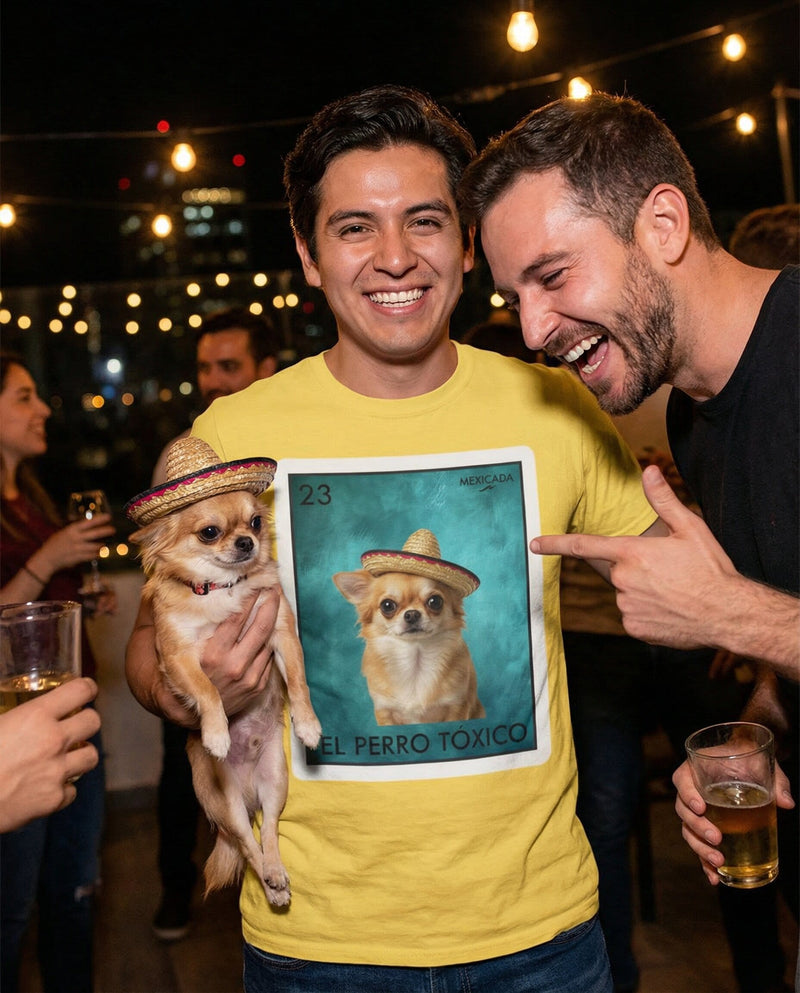

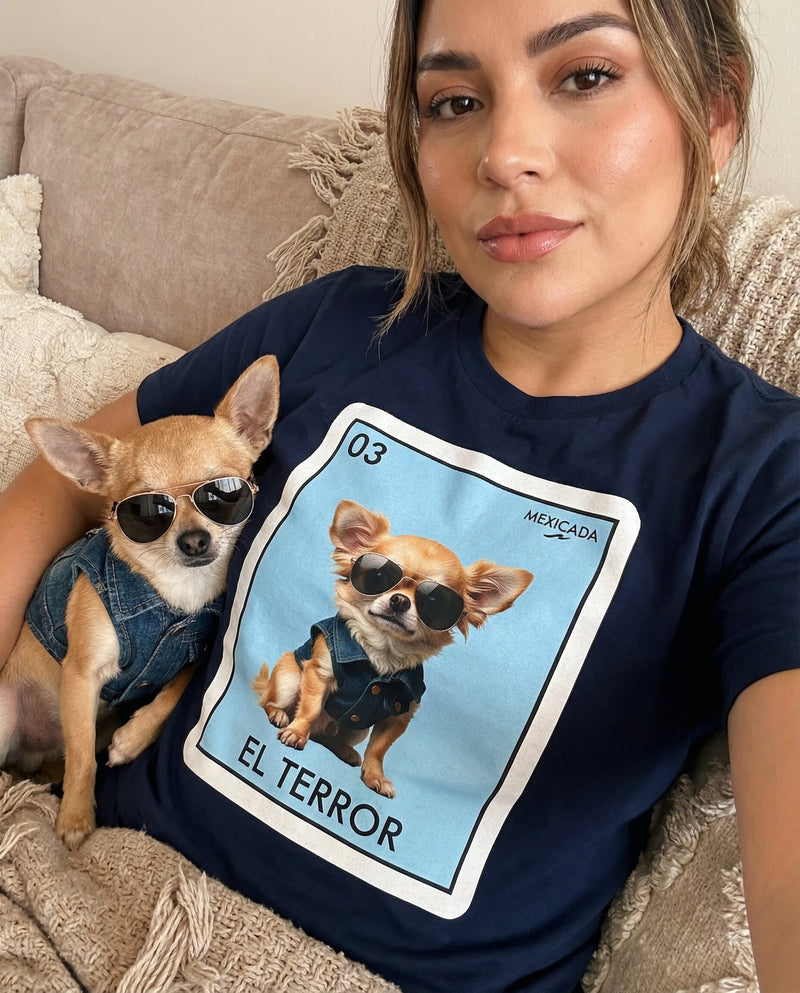

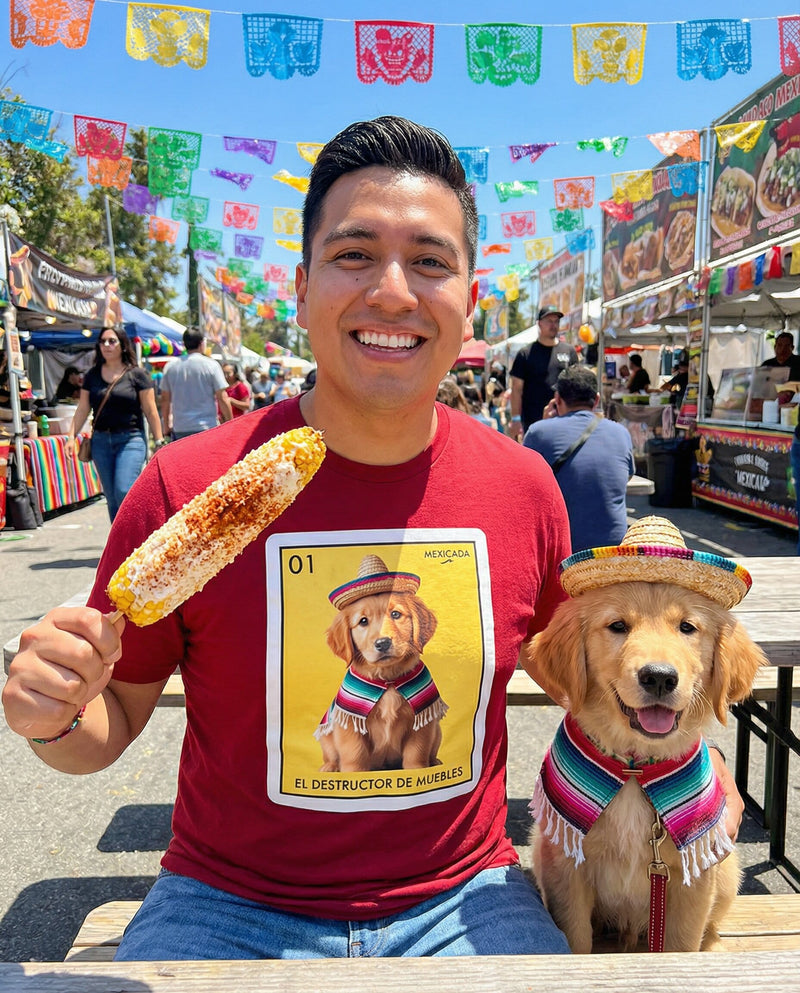


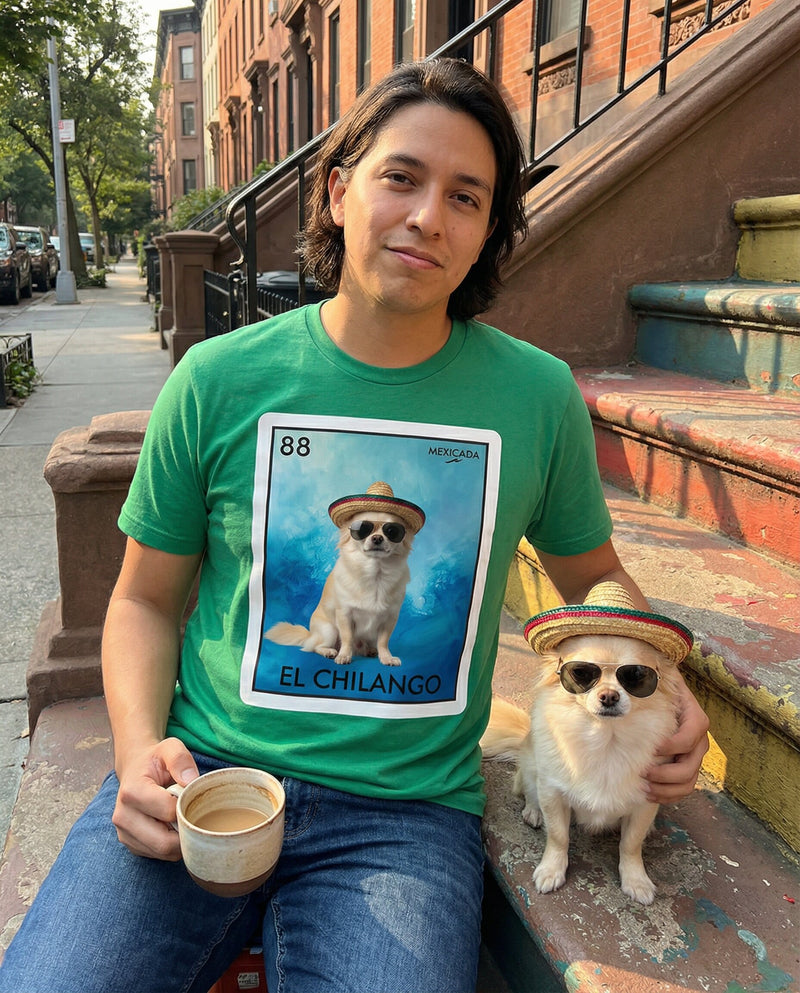


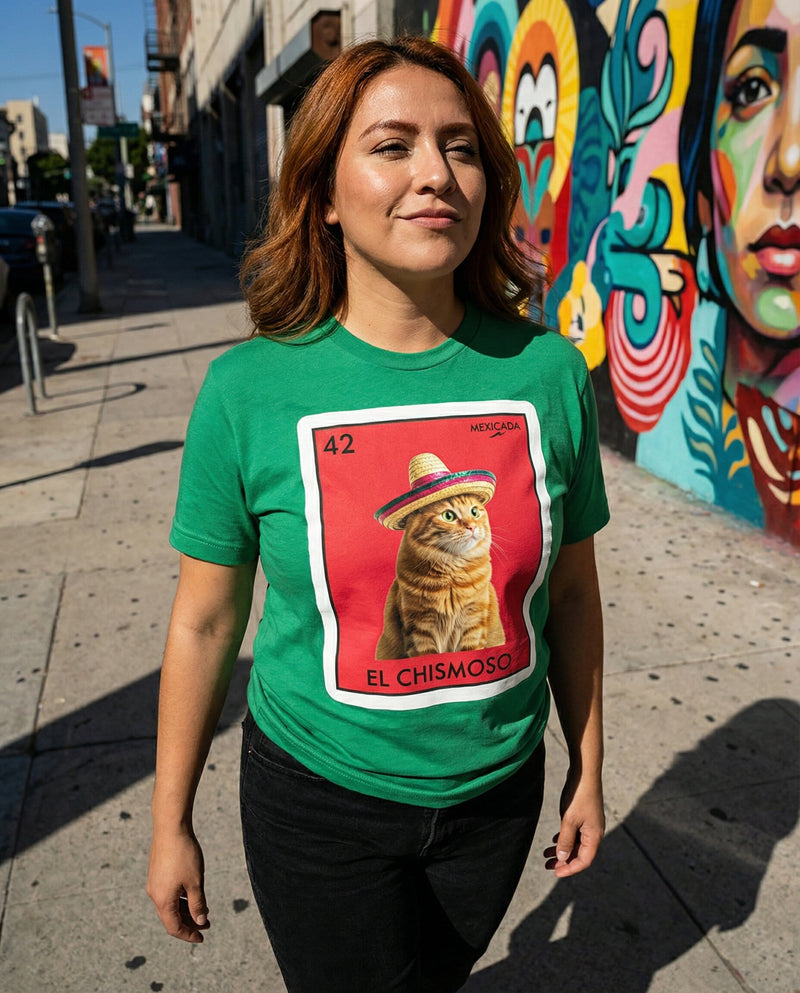
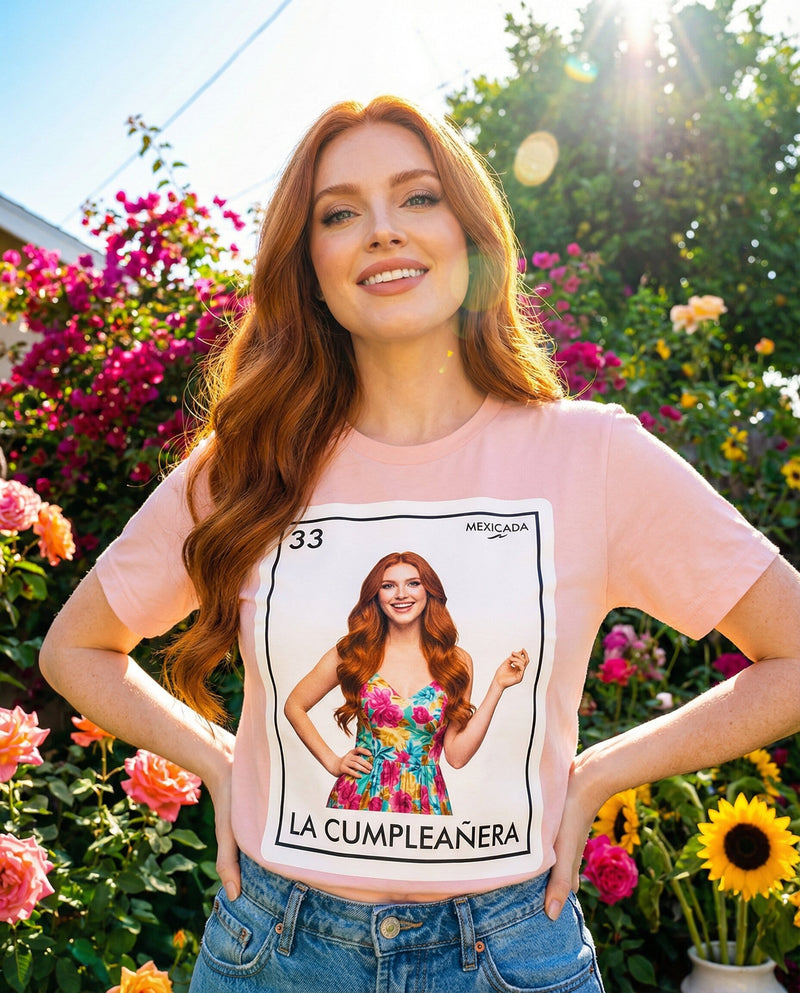

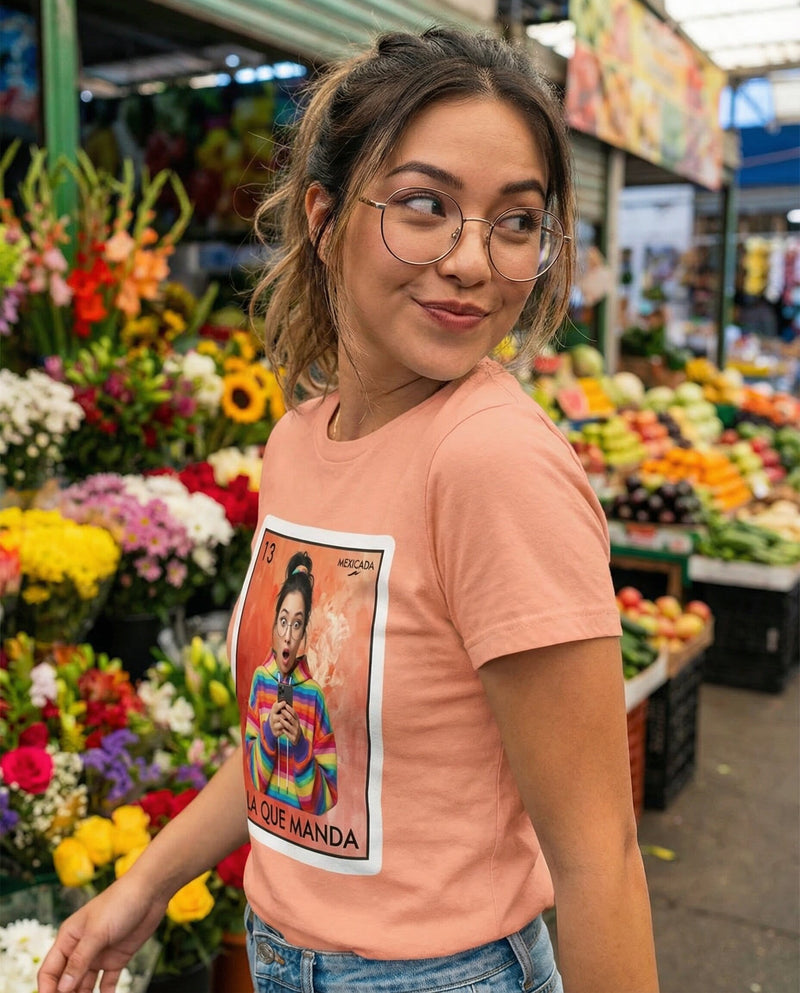
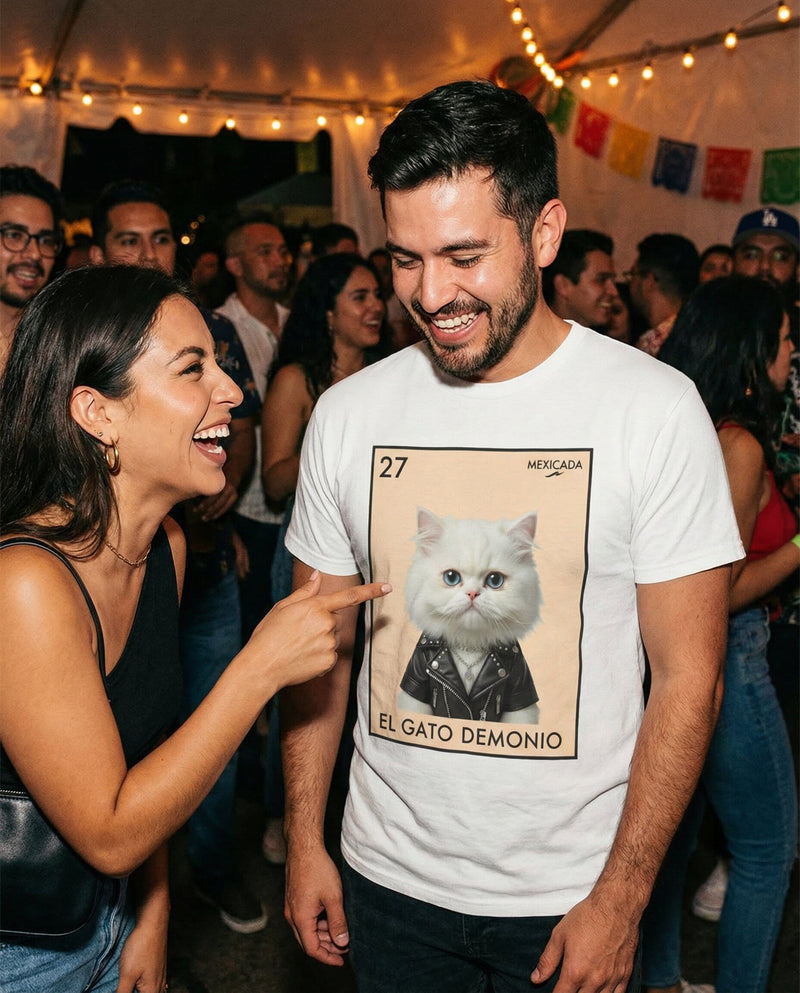
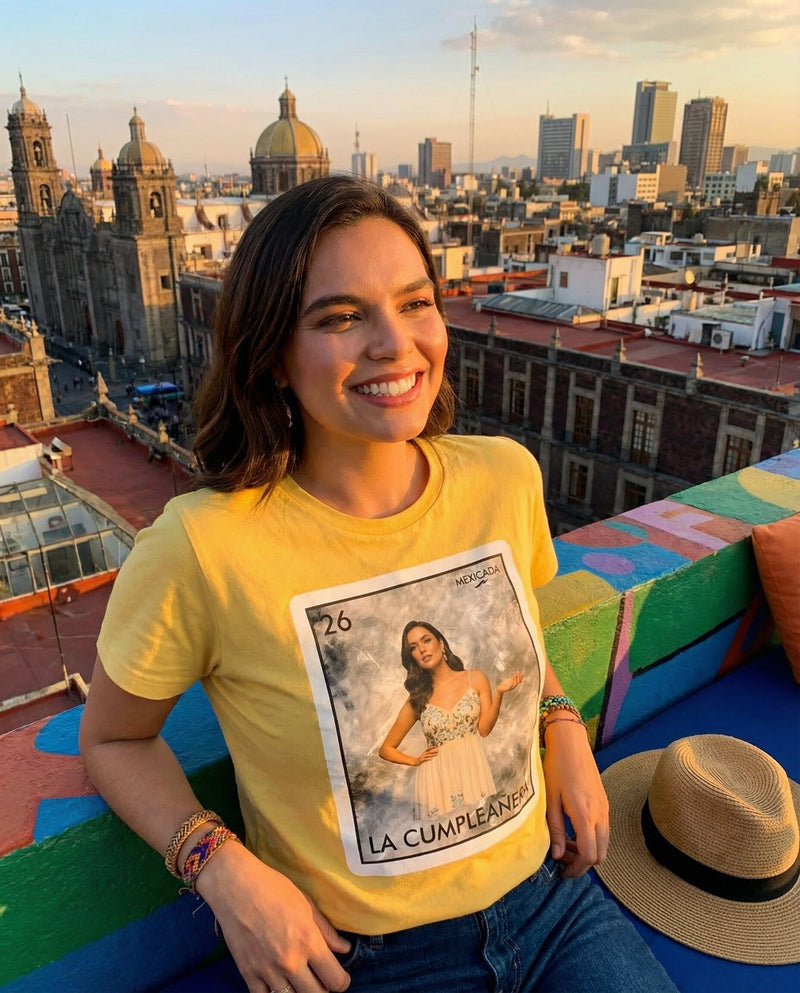
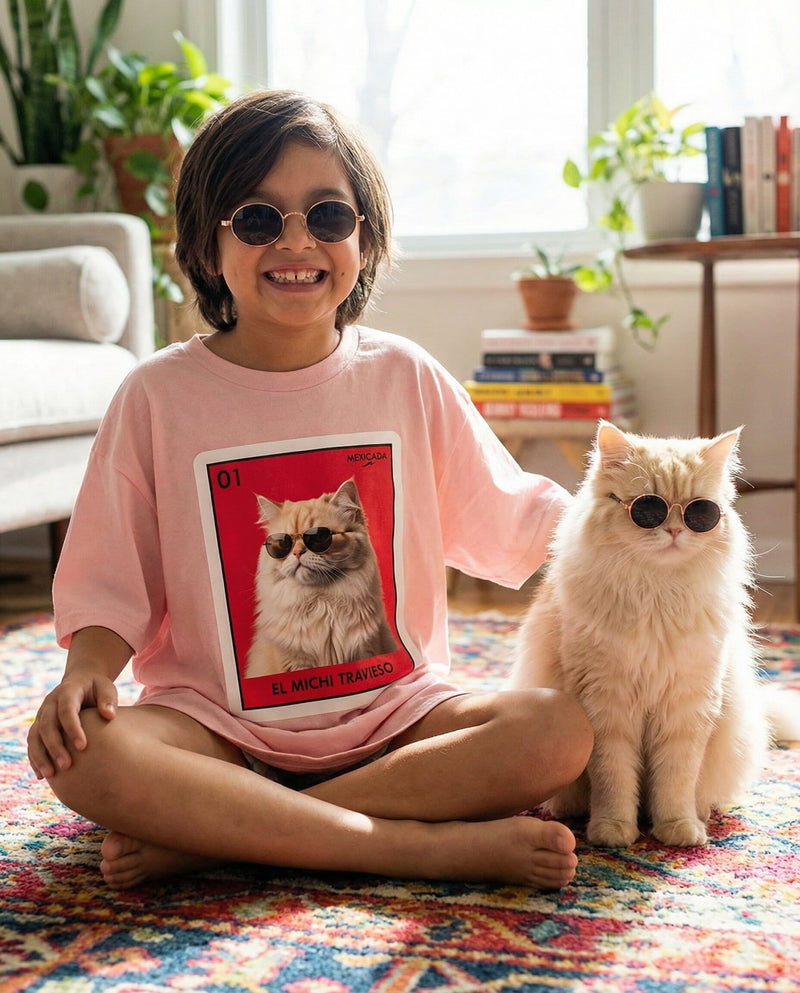
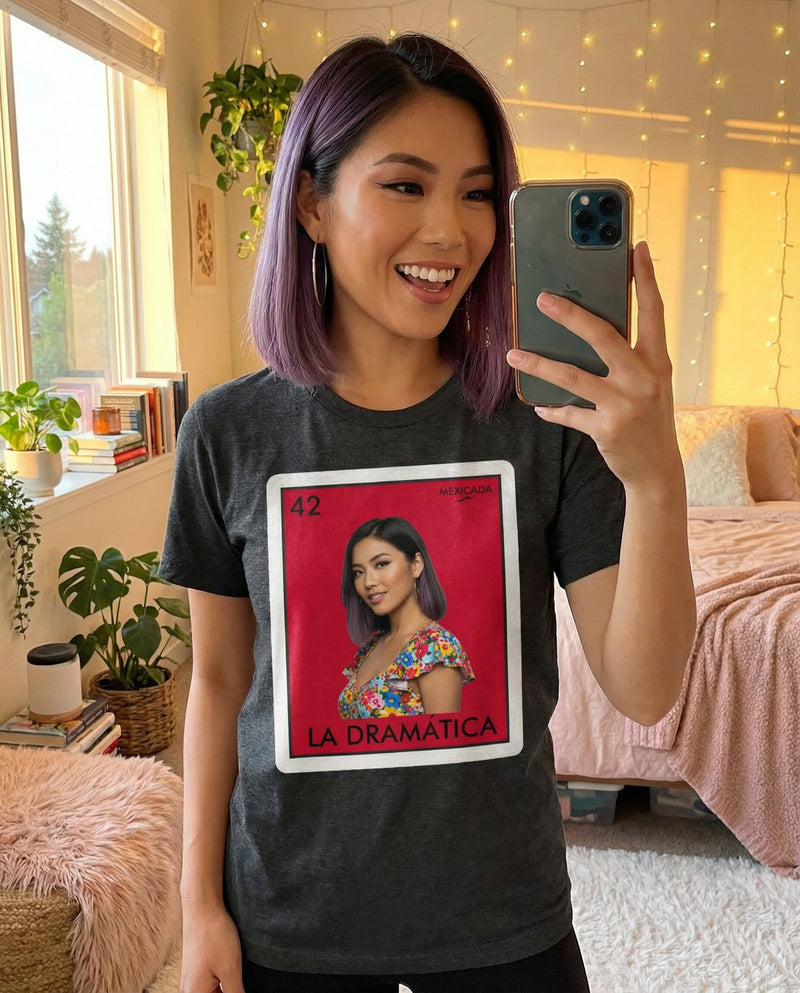


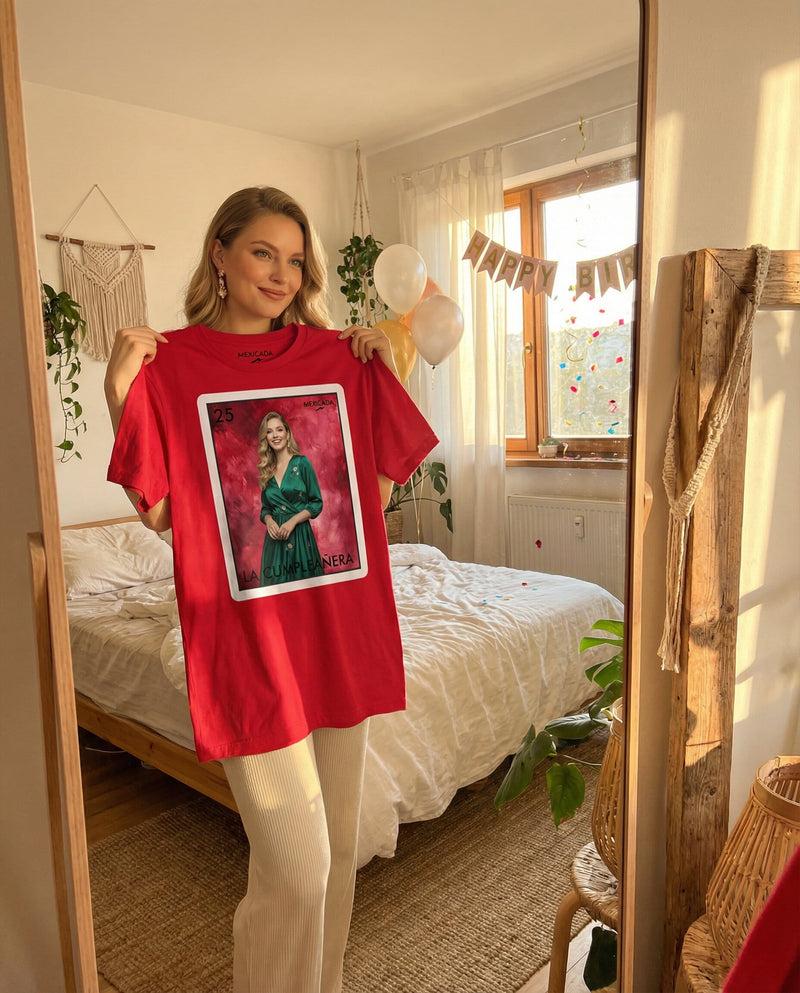


💖 Feel the Spirit of Fiesta with LA AGUILA 💖 Some shirts are just fabric—but this one? It’s a symbol of your heritage, your roots, your spirit. Des...
View full details
🦅 Embrace the Spirit of Freedom with LA ÁGUILA 🦅 Some shirts capture a moment. But this one? It’s a tribute to the bold, fearless spirit of the eag...
View full details
💖 Spread Your Wings with La Águila 💖 Some shirts are just designs—but this one? It’s your spirit, your culture, your pride—perfectly captured in a ...
View full details
💖 Feel the Spirit of Tradition, Live the Fun 💖 Every game of Lotería brings memories—laughter, competition, and those moments of pure joy. But what...
View full details
💖 Embrace Your Heritage with a Bold Twist 💖 There’s a feeling that comes when you wear something that’s more than just fabric. It’s a story, a cult...
View full details
💖 A Memory You Can Hold Forever 💖 Some shirts are just clothes—but this one? It’s you. It’s your story, your culture, your memories—all brought to ...
View full details
💖 Embrace the Spirit of the Eagle 💖 This isn’t just a T-shirt. This is your chance to wear the symbol of strength, freedom, and pride—captured in...
View full details
💖 Fly High with a Piece of Tradition 💖 Some shirts are just clothes—but this one? It’s your connection to heritage. With the bold, vibrant Águila d...
View full details
💖 Feel the Spirit of Freedom with Every Wear 💖 Some shirts are more than just fabric—they carry stories, culture, and pride. With the LA ÁGUILA Cu...
View full details
💖 Unleash Your Inner Scientist 💖 They say science is a world of its own—an adventure that unlocks the mysteries of life. But this La Cínica T-shirt...
View full details
💖 For the Love of Science and Style 💖 Some t-shirts are just clothes, but this one? It’s a celebration of who you are—a passionate clinician, a bri...
View full details
💜 Unleash Your Superpower with Style! 💜 Some days, you just have to embrace the cynic inside of you. And now, you can wear it proudly. This El Cini...
View full details
💖 Wear Your Vibe, Embrace Your Culture 💖 Some shirts are just shirts—but this one? It’s your story, brought to life in vibrant colors and playful d...
View full details
💖 Your Vibe, Your Lotería 💖 Imagine walking into a room and feeling all eyes on you. Not because you're trying, but because you're effortlessly glo...
View full details
💖 Unleash Your Inner Icon 💖 Some shirts are just clothing, but this one? It’s a statement. A bold mix of fun, style, and culture—this isn’t just an...
View full details
💖 Your Heart, Your Story, Your Pride 💖 Some shirts are just shirts, but this one? It's more. It’s your personal celebration of love, culture, and p...
View full details
💖 Your Style, Your Story 💖 Every design has a story—but this one? It’s a celebration of you, wrapped up in the vibrant colors and playful spirit of...
View full details
💖 The Magic of Nostalgia and Culture Combined 💖 Some shirts are just clothes—but this one? It’s your heritage. It’s a joyful celebration of traditi...
View full details
💖 Wear Your Story, Live Your Legacy 💖 Every design tells a story, but some go even deeper. Imagine wearing a piece of your culture, your memories, ...
View full details
💖 Your New Favorite Tee 💖 Some shirts are just clothes—but this one? It’s you. It’s your story, your vibe, your roots—expressed in a fun, unforgett...
View full details English


Leave a comment