

Cart

Teotihuacan, a city that rose like a mysterious giant in the heart of Mesoamerica, holds an almost magical influence on the region’s culture. But what made this place so special? What is it about Teotihuacan that turned it into a powerhouse of civilization, with an impact that can still be felt today? Let’s dive into the heart of this ancient city and explore how it shaped the course of history!
Located just outside modern-day Mexico City, Teotihuacan wasn’t just any city—it was the center of a thriving culture. Imagine a place so advanced that even today, its mysteries continue to baffle historians. With its massive pyramids, complex urban planning, and impressive artwork, Teotihuacan wasn’t just a city; it was the blueprint for many of the Mesoamerican cultures that came after it. From its urban grid to its monumental architecture, the city had a profound influence on the way Mesoamerican civilizations would evolve.
The city’s layout was revolutionary. It had wide, neatly arranged streets that converged at the grand Avenue of the Dead. This masterful urban planning became the gold standard for cities that followed. Cities like Tikal, Palenque, and many others would later adopt similar designs, inspired by the layout and organization of Teotihuacan. Imagine walking through these streets and seeing the same wide avenues in other cities hundreds of years later. It’s like Teotihuacan’s influence was written into the very blueprints of Mesoamerica!
At the heart of Teotihuacan's influence was its religion. The city was home to towering temples dedicated to gods that were worshiped across Mesoamerica. The Pyramid of the Sun, the largest structure in the city, became a focal point of religious ceremonies. This religious significance spread far and wide, influencing the spiritual practices of countless civilizations that followed. Even today, the remnants of these temples stand as a testament to the powerful role religion played in shaping the cultures of ancient Mexico.
But it wasn’t all about grand pyramids and religious rituals—Teotihuacan was also a booming hub of trade. Goods like obsidian tools, textiles, and pottery flowed through the city, helping to connect various regions of Mesoamerica. This economic influence rippled through the rest of the continent, shaping the development of marketplaces and trade routes in civilizations from the Maya to the Zapotecs. Trade wasn’t just about goods—it was about exchanging ideas, technologies, and culture, all of which helped shape the future of Mesoamerican society.
Even though Teotihuacan’s influence eventually faded, its impact continued to shape Mesoamerican cultures long after the city was abandoned. The architecture, the religion, and the way of life left a lasting imprint that would be felt for generations. Today, when we look at the ancient ruins of Teotihuacan, we’re not just staring at stones and bricks; we’re gazing at the very foundation of a culture that spanned centuries and influenced entire civilizations.

Listen Now 0:00 0m 00s left – 0:00 ...

Listen Now 0:00 0m 00s left – 0:00 ...

Listen Now 0:00 0m 00s left – 0:00 ...

Listen Now 0:00 0m 00s left – 0:00 ...

Listen Now 0:00 0m 00s left – 0:00 ...

Listen Now 0:00 0m 00s left – 0:00 ...

Listen Now 0:00 0m 00s left – 0:00 ...

Listen Now 0:00 0m 00s left – 0:00 ...

Listen Now 0:00 0m 00s left – 0:00 ...

Listen Now 0:00 0m 00s left – 0:00 ...

Listen Now 0:00 0m 00s left – 0:00 ...
Listen Now 0:00 0m 00s left – 0:00 ...
Listen Now 0:00 0m 00s left – 0:00 ...

Listen Now 0:00 0m 00s left – 0:00 ...
Listen Now 0:00 0m 00s left – 0:00 ...

Listen Now 0:00 0m 00s left – 0:00 ...
Listen Now 0:00 0m 00s left – 0:00 ...
Listen Now 0:00 0m 00s left – 0:00 ...
Listen Now 0:00 0m 00s left – 0:00 ...
Listen Now 0:00 0m 00s left – 0:00 ...
Listen Now 0:00 0m 00s left – 0:00 ...
Listen Now 0:00 0m 00s left – 0:00 ...
Listen Now 0:00 0m 00s left – 0:00 ...
Listen Now 0:00 0m 00s left – 0:00 ...
Listen Now 0:00 0m 00s left – 0:00 ...
Listen Now 0:00 0m 00s left – 0:00 ...
Listen Now 0:00 0m 00s left – 0:00 ...
Listen Now 0:00 0m 00s left – 0:00 ...
Listen Now 0:00 0m 00s left – 0:00 ...
Listen Now 0:00 0m 00s left – 0:00 ...
Listen Now 0:00 0m 00s left – 0:00 ...
Listen Now 0:00 0m 00s left – 0:00 ...
Listen Now 0:00 0m 00s left – 0:00 ...
Listen Now 0:00 0m 00s left – 0:00 ...
Listen Now 0:00 0m 00s left – 0:00 ...
Listen Now 0:00 0m 00s left – 0:00 ...
Listen Now 0:00 0m 00s left – 0:00 ...
Listen Now 0:00 0m 00s left – 0:00 ...
Listen Now 0:00 0m 00s left – 0:00 ...
Listen Now 0:00 0m 00s left – 0:00 ...
Listen Now 0:00 0m 00s left – 0:00 ...
Listen Now 0:00 0m 00s left – 0:00 ...
Listen Now 0:00 0m 00s left – 0:00 ...
Listen Now 0:00 0m 00s left – 0:00 ...
Listen Now 0:00 0m 00s left – 0:00 ...
Listen Now 0:00 0m 00s left – 0:00 ...
Listen Now 0:00 0m 00s left – 0:00 ...
Listen Now 0:00 0m 00s left – 0:00 ...
Listen Now 0:00 0m 00s left – 0:00 ...
Designs from our Community


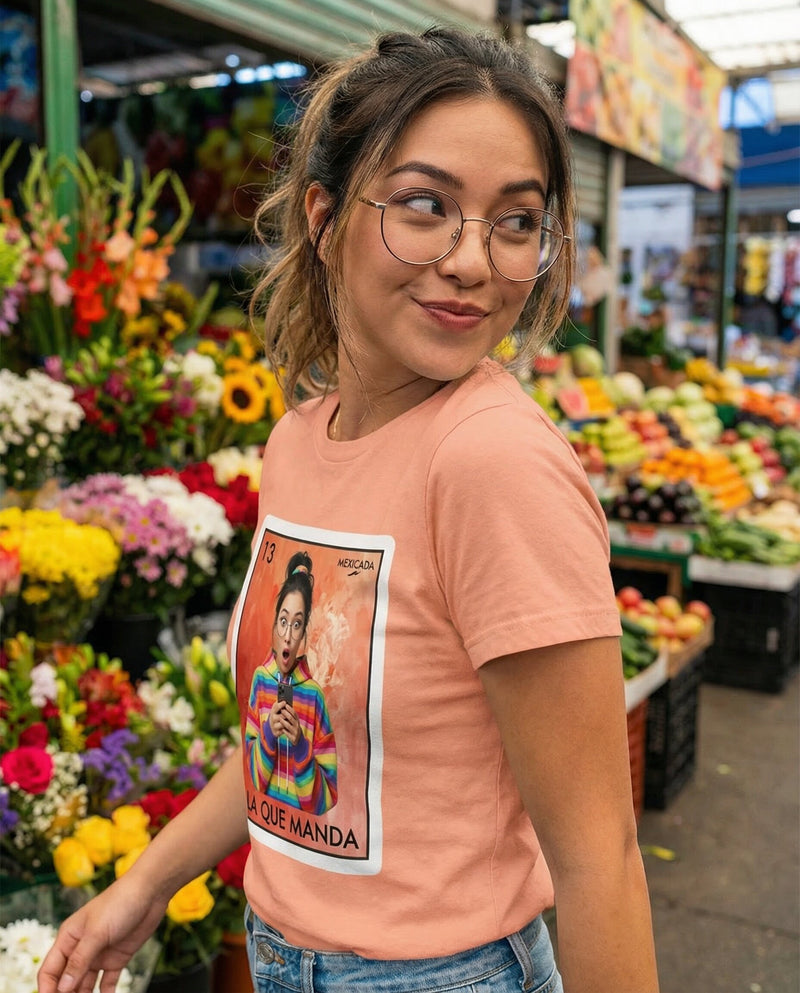
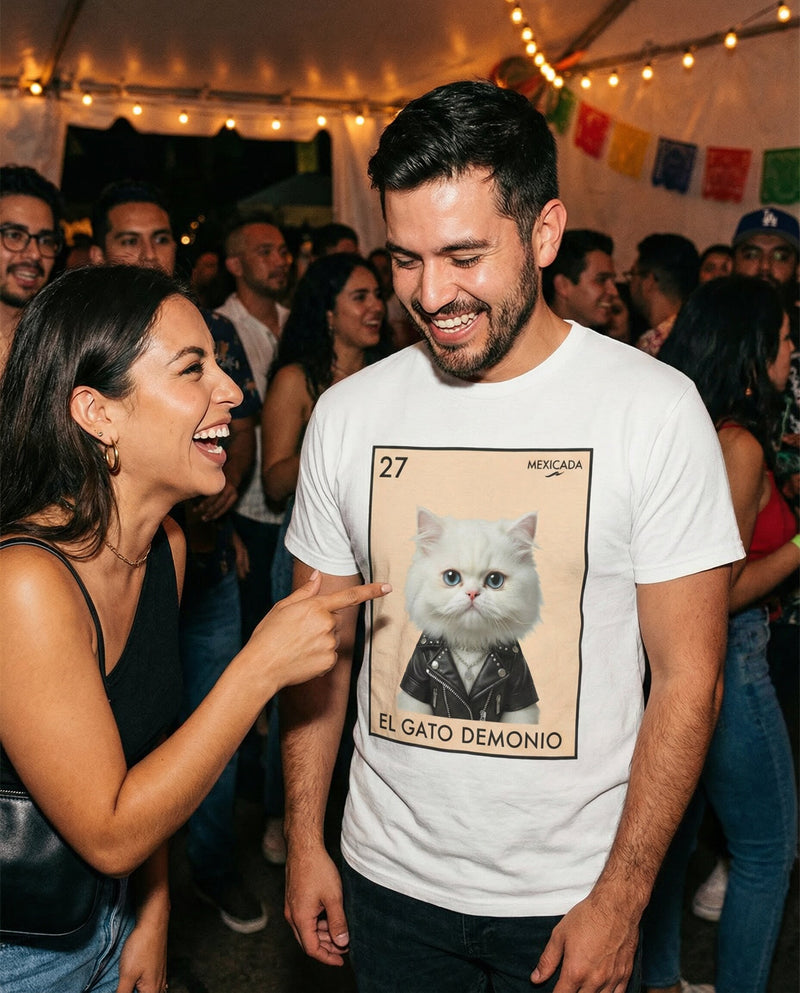
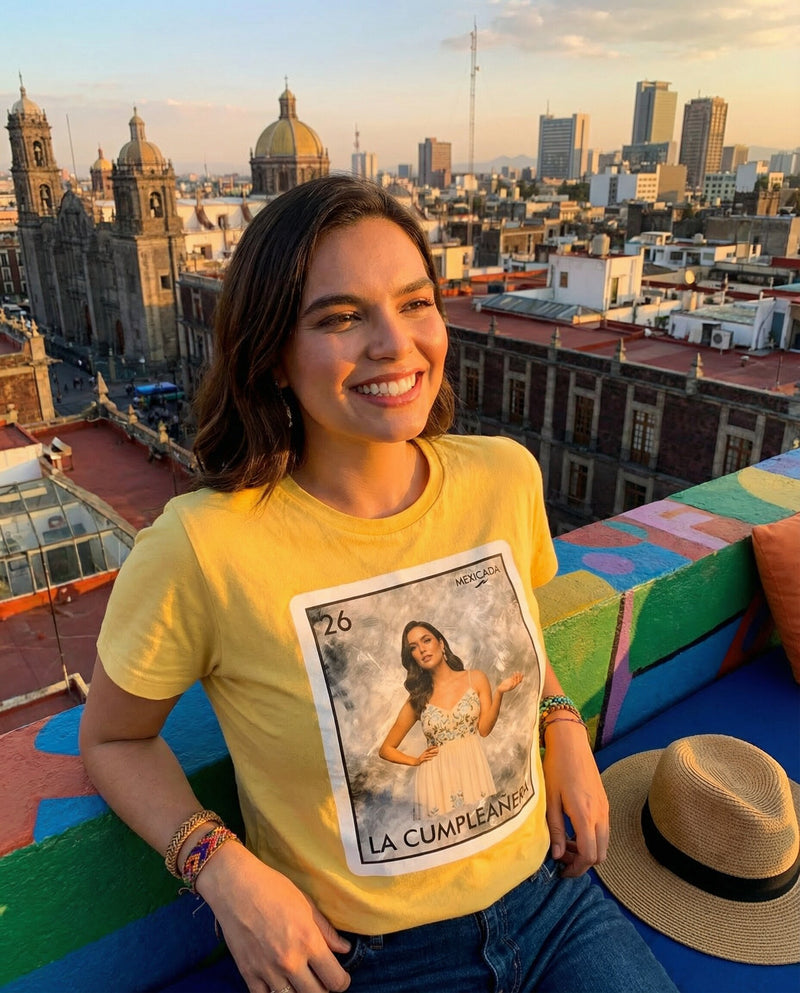
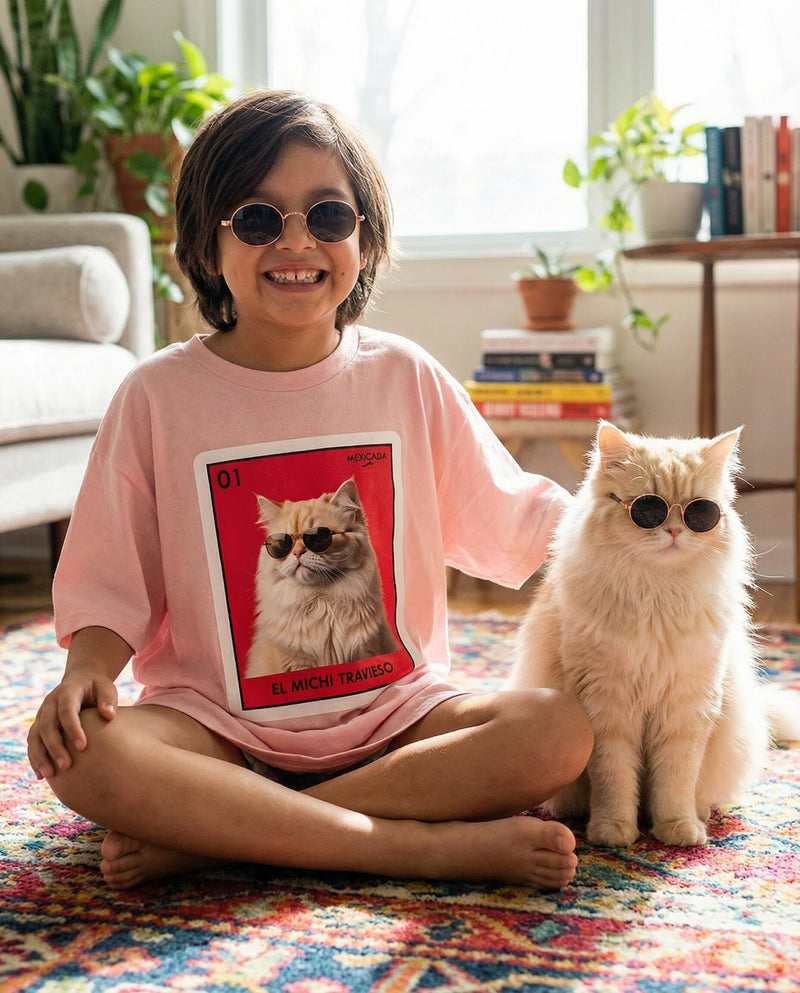
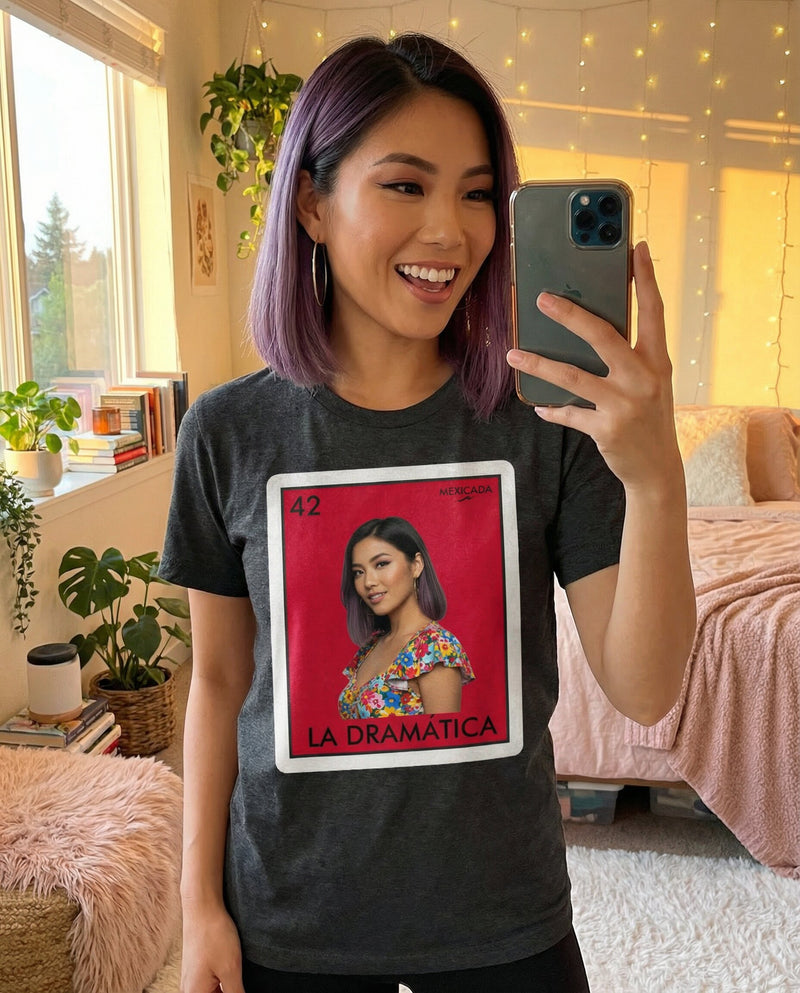


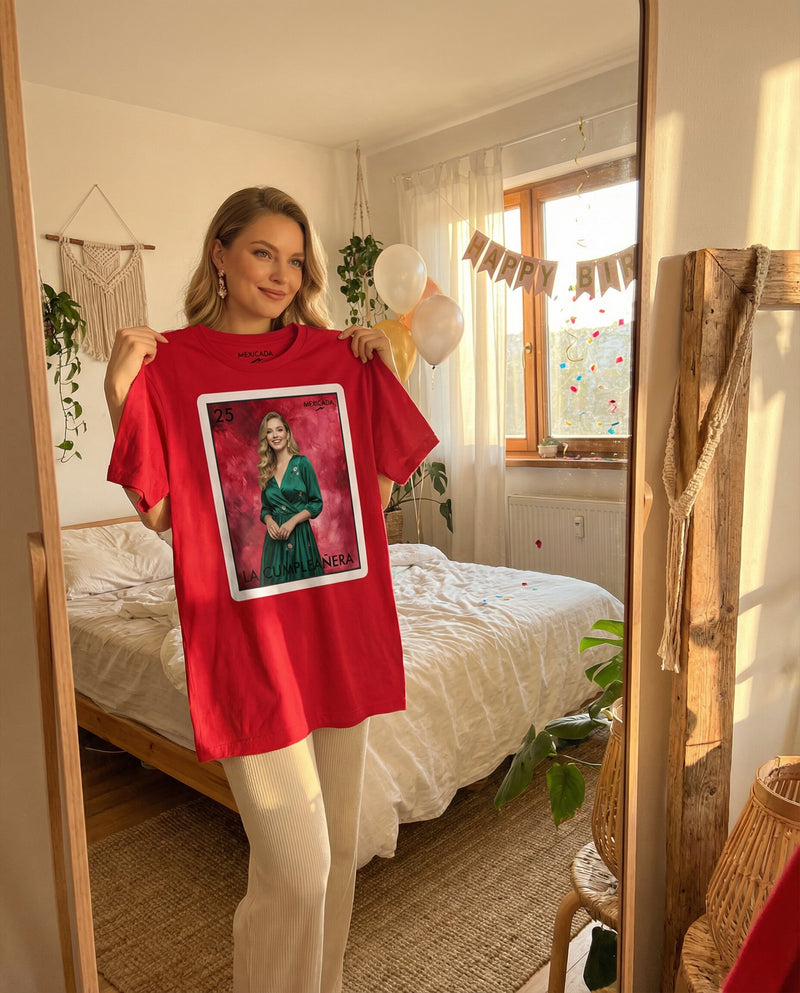
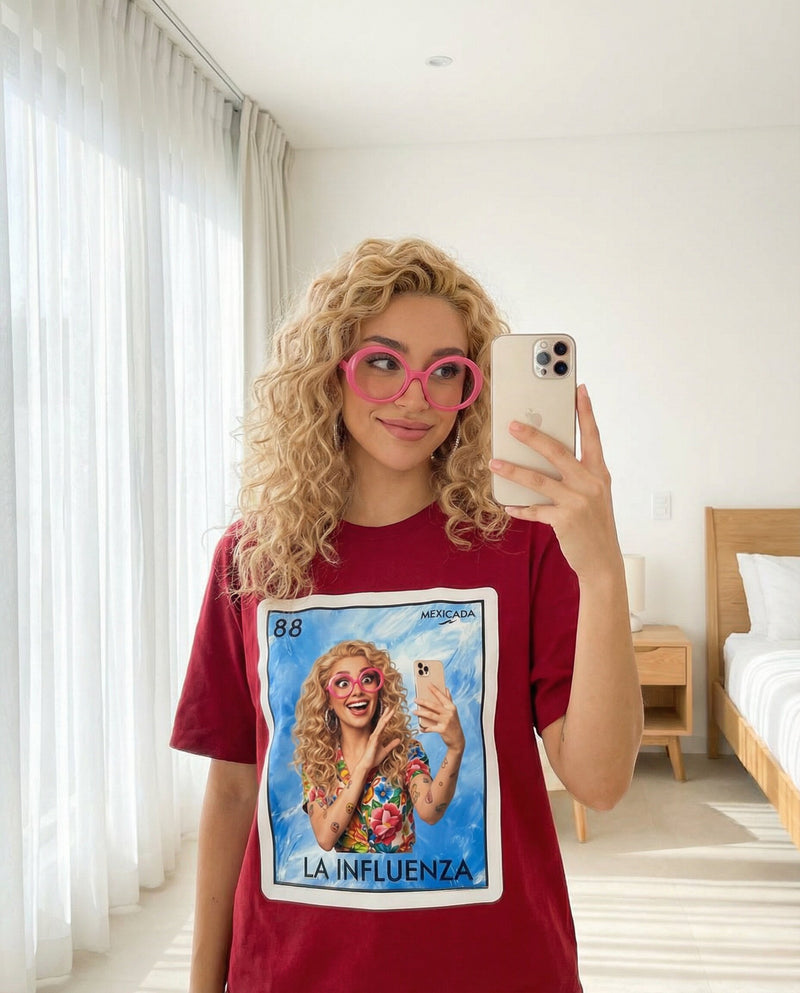
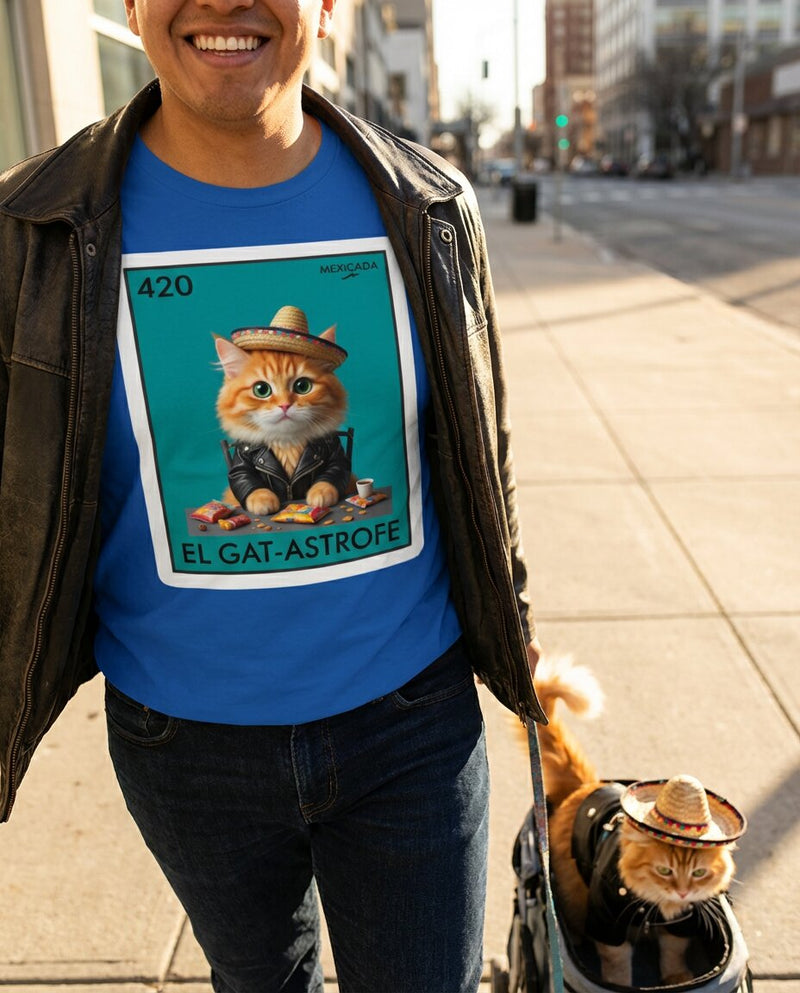

🔮 She Doesn’t Just Believe—She Knows 🔮 You’ve always felt it—that quiet knowing, that electric intuition, that cosmic pull that tells you you’re no...
View full details
✨ Meet Your Cosmic Alter-Ego ✨ Some tees are just cute. This one feels like fate. The moment you slip on LA DEISTA—the chibi girl with galaxy hair—...
View full details
💫 Embrace Your Inner Goddess 💫 Some shirts are just clothes—but this one? It’s magic. It's more than a tee; it's a cosmic connection to the univer...
View full details
🌙 Awaken Your Inner Goddess 🌙 Step into a world of magic and mystery with the LA DEÍSTA Lotería Card T-Shirt. This isn't just a shirt—it's an expre...
View full details
💫 Embrace Your Celestial Power 💫 In a world full of noise, there’s a quiet strength in standing out with intention. This La Deísta t-shirt isn’t ju...
View full details
🌞💫 Embrace Your Inner Goddess with LA DEÍSTA 💫🌙 Some shirts simply cover you—but this one? It transforms you. Designed to evoke the divine balance ...
View full details
💖 A Tribute to Who You Are 💖 It’s more than a shirt. It’s a piece of your story, your culture, your essence. With every design, we invite you to re...
View full details
💖 Your Story, Your Style 💖 What if you could wear a piece of your life, your culture, and your personality—one that’s as unique as you are? This is...
View full details
💖 Wear Your Story with Pride 💖 This isn’t just another shirt. It’s your story, your memory, your culture, beautifully captured in a design you’ve c...
View full details
💖 Unforgettable Moments, Worn Proudly 💖 Every thread of this shirt tells a story—your story. It’s more than just fabric; it’s a piece of your life,...
View full details
🌙 Embrace Your Inner Goddess 🌙 Step into a world of mysticism, magic, and celestial beauty with the LA DEÍSTA Lotería Card T-Shirt. This isn’t just...
View full details
💖 Your Story, Your Shirt 💖 Sometimes, a shirt is just a shirt. But this one? It's more. It’s a piece of you. A snapshot of your life, your journey,...
View full details
🌙✨ Awaken the Magic Within 🌞✨ This isn't just a shirt—it's a portal to the mystical. Featuring the enchanting La Deísta design, this shirt invites...
View full details
💖 A Piece of You, Worn with Pride 💖 There’s something magical about a shirt that’s more than just fabric. This isn't just clothing; it's a memory,...
View full details
💖 Feel the Spirit of Fiesta with LA AGUILA 💖 Some shirts are just fabric—but this one? It’s a symbol of your heritage, your roots, your spirit. Des...
View full details
🦅 Embrace the Spirit of Freedom with LA ÁGUILA 🦅 Some shirts capture a moment. But this one? It’s a tribute to the bold, fearless spirit of the eag...
View full details
💖 Spread Your Wings with La Águila 💖 Some shirts are just designs—but this one? It’s your spirit, your culture, your pride—perfectly captured in a ...
View full details
💖 Feel the Spirit of Tradition, Live the Fun 💖 Every game of Lotería brings memories—laughter, competition, and those moments of pure joy. But what...
View full details
💖 Embrace Your Heritage with a Bold Twist 💖 There’s a feeling that comes when you wear something that’s more than just fabric. It’s a story, a cult...
View full details
💖 A Memory You Can Hold Forever 💖 Some shirts are just clothes—but this one? It’s you. It’s your story, your culture, your memories—all brought to ...
View full details English


Leave a comment