

Cart

Ever walked into a room and felt immediately transported into another world? That’s the power of colors and textures, especially when they’re inspired by Mexican folk art. These vibrant, lively patterns aren’t just for fiesta decorations—they have the potential to elevate products, spark creativity, and create a visual impact like no other. So, what can we learn from the textures and colors of this art to make consumer products pop off the shelves? Let’s explore the secrets behind these cultural treasures and how they shape our consumer experiences.
Bright, bold, and unapologetically loud—that’s the hallmark of Mexican folk art’s color palette. From vivid reds and oranges to electric blues and greens, these colors don’t just exist; they demand attention. For product designers, using these powerful hues isn’t just about making things stand out; it’s about evoking emotions. Color psychology tells us that hues can influence mood and behavior, which is why many products inspired by Mexican folk art have a joyful, optimistic energy. Imagine a sleek, modern coffee cup adorned with fiery reds and sunny yellows—wouldn’t that cup be a little more tempting to grab on a chilly morning?
Textures in Mexican folk art aren’t just ornamental; they tell stories. Whether it's the rustic charm of handwoven textiles or the bold, geometric patterns of Talavera pottery, textures give a product a tactile quality that engages consumers on a deeper level. Just think about a product wrapped in a texture that feels handcrafted, warm, and authentic—wouldn’t that make you more likely to purchase it? Textures bring a sense of tradition and craftsmanship, which creates trust. When incorporated into product design, they bring a personal touch that mass-produced items often lack.
The magic happens when you combine these textures and colors. Picture a beautifully embroidered pillow with intricate patterns in bright reds, yellows, and blues—each color contrasting yet complementing the other, each texture adding depth. This combination of elements makes products not just functional but also visually stimulating and memorable. For brands looking to stand out, the fusion of colors and textures inspired by Mexican folk art can create designs that are both culturally rich and instantly recognizable. Products become more than just items; they become experiences.
Mexican folk art’s textures and colors don’t just belong on grand paintings or festival decorations—they can breathe life into everything from home decor to clothing, packaging, and even tech gadgets. When applied to everyday items, these elements transform the ordinary into something extraordinary. Imagine a phone case with traditional Mexican patterns or a kitchen set designed with the colors of Oaxaca’s vibrant streets—this fusion of art and product design creates unique, eye-catching pieces that feel alive and full of personality.
Mexican folk art isn’t just a visual feast; it’s a blueprint for creating products that stand out, tell a story, and evoke emotion. By infusing your designs with the bold colors and rich textures of this art form, you can create consumer products that are not only functional but also visually stunning and emotionally engaging. So why settle for ordinary when you can create something extraordinary? Let the colors and textures of Mexican folk art guide your next product design journey.

Listen Now 0:00 0m 00s left – 0:00 ...

Listen Now 0:00 0m 00s left – 0:00 ...

Listen Now 0:00 0m 00s left – 0:00 ...

Listen Now 0:00 0m 00s left – 0:00 ...

Listen Now 0:00 0m 00s left – 0:00 ...

Listen Now 0:00 0m 00s left – 0:00 ...

Listen Now 0:00 0m 00s left – 0:00 ...

Listen Now 0:00 0m 00s left – 0:00 ...

Listen Now 0:00 0m 00s left – 0:00 ...

Listen Now 0:00 0m 00s left – 0:00 ...

Listen Now 0:00 0m 00s left – 0:00 ...
Listen Now 0:00 0m 00s left – 0:00 ...
Listen Now 0:00 0m 00s left – 0:00 ...

Listen Now 0:00 0m 00s left – 0:00 ...
Listen Now 0:00 0m 00s left – 0:00 ...

Listen Now 0:00 0m 00s left – 0:00 ...
Listen Now 0:00 0m 00s left – 0:00 ...
Listen Now 0:00 0m 00s left – 0:00 ...
Listen Now 0:00 0m 00s left – 0:00 ...
Listen Now 0:00 0m 00s left – 0:00 ...
Listen Now 0:00 0m 00s left – 0:00 ...
Listen Now 0:00 0m 00s left – 0:00 ...
Listen Now 0:00 0m 00s left – 0:00 ...
Listen Now 0:00 0m 00s left – 0:00 ...
Listen Now 0:00 0m 00s left – 0:00 ...
Listen Now 0:00 0m 00s left – 0:00 ...
Listen Now 0:00 0m 00s left – 0:00 ...
Listen Now 0:00 0m 00s left – 0:00 ...
Listen Now 0:00 0m 00s left – 0:00 ...
Listen Now 0:00 0m 00s left – 0:00 ...
Listen Now 0:00 0m 00s left – 0:00 ...
Listen Now 0:00 0m 00s left – 0:00 ...
Listen Now 0:00 0m 00s left – 0:00 ...
Listen Now 0:00 0m 00s left – 0:00 ...
Listen Now 0:00 0m 00s left – 0:00 ...
Listen Now 0:00 0m 00s left – 0:00 ...
Listen Now 0:00 0m 00s left – 0:00 ...
Listen Now 0:00 0m 00s left – 0:00 ...
Listen Now 0:00 0m 00s left – 0:00 ...
Listen Now 0:00 0m 00s left – 0:00 ...
Listen Now 0:00 0m 00s left – 0:00 ...
Listen Now 0:00 0m 00s left – 0:00 ...
Listen Now 0:00 0m 00s left – 0:00 ...
Listen Now 0:00 0m 00s left – 0:00 ...
Listen Now 0:00 0m 00s left – 0:00 ...
Listen Now 0:00 0m 00s left – 0:00 ...
Listen Now 0:00 0m 00s left – 0:00 ...
Listen Now 0:00 0m 00s left – 0:00 ...
Listen Now 0:00 0m 00s left – 0:00 ...
Designs from the Community

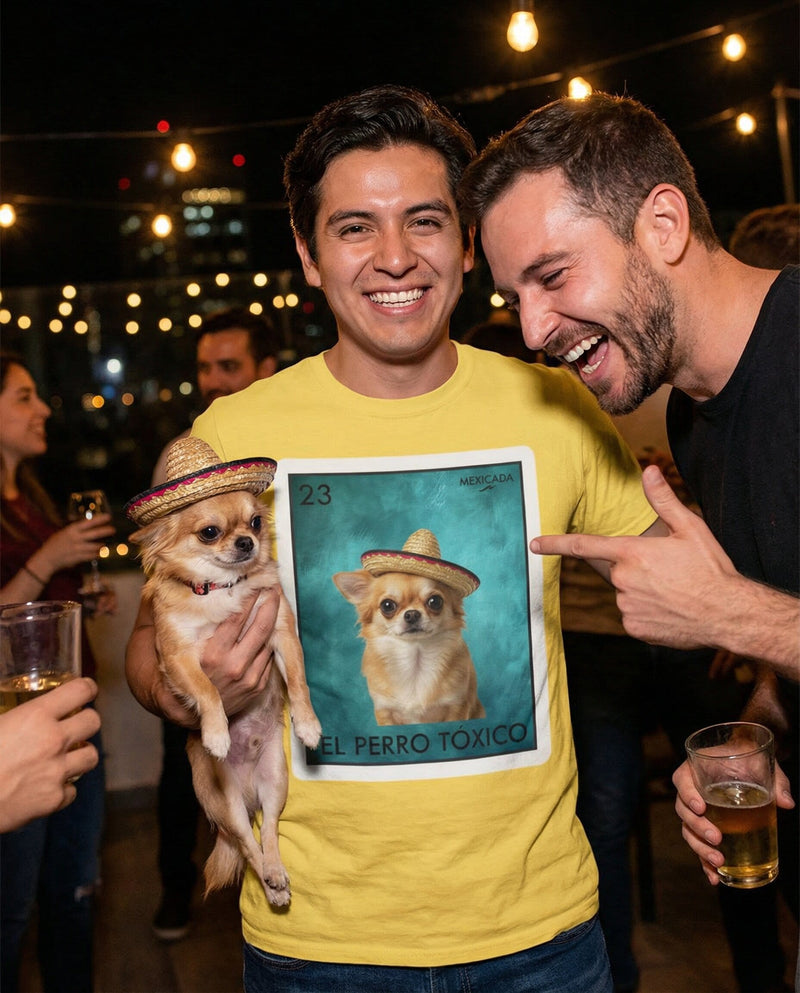

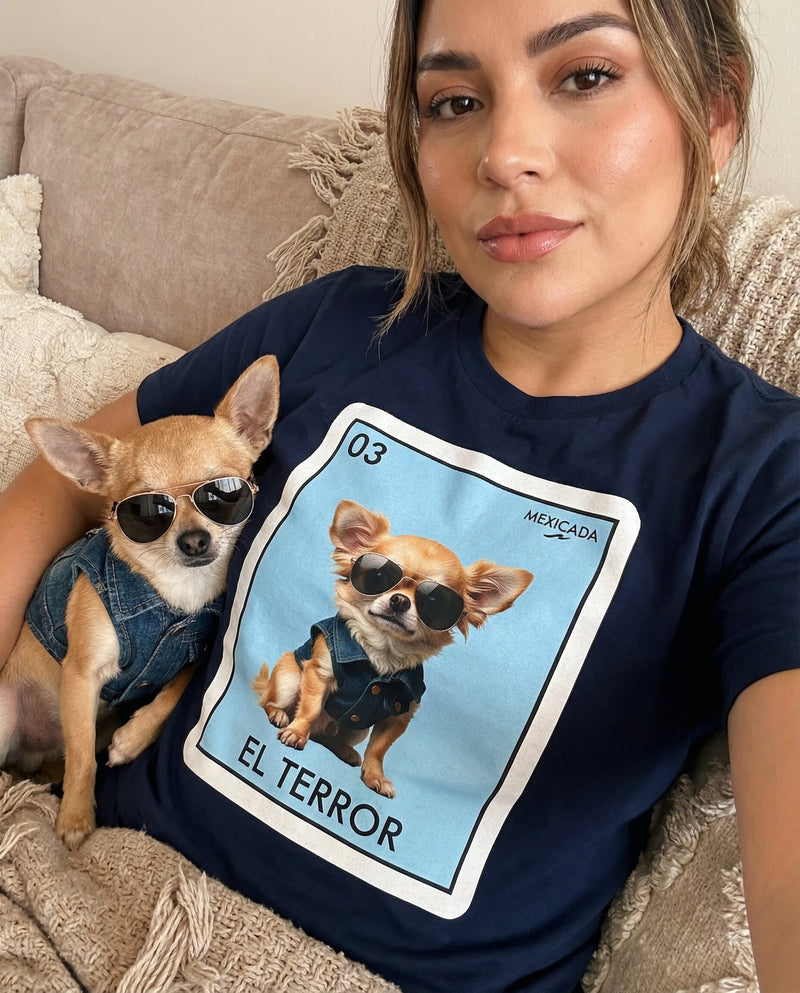

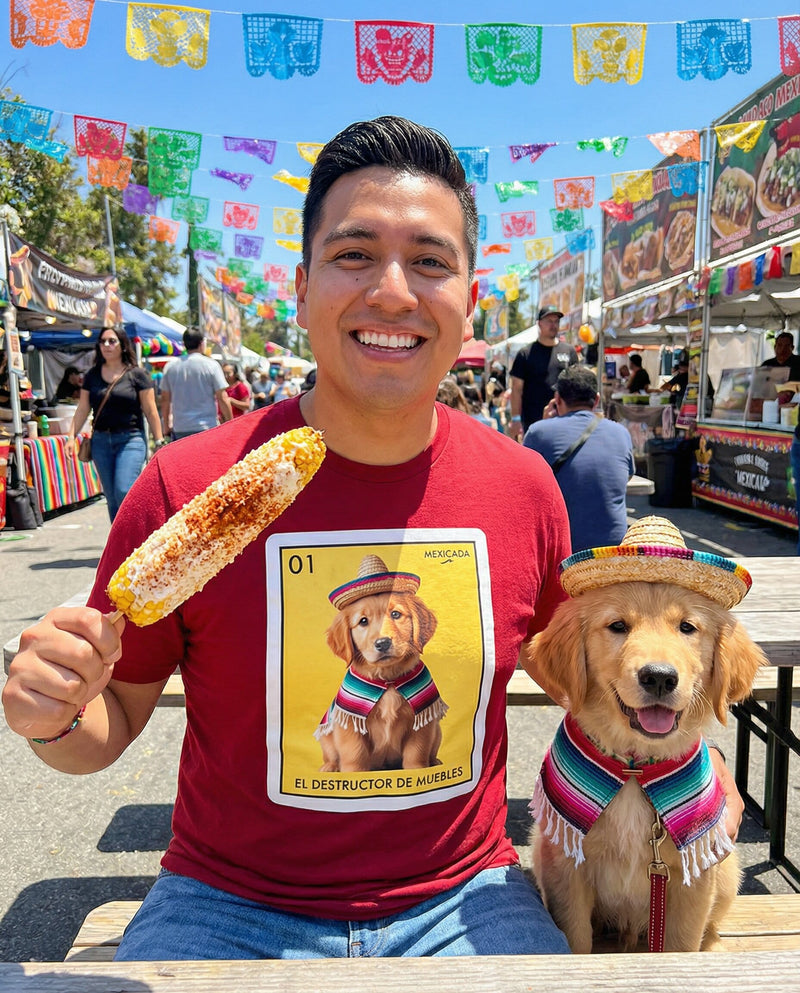


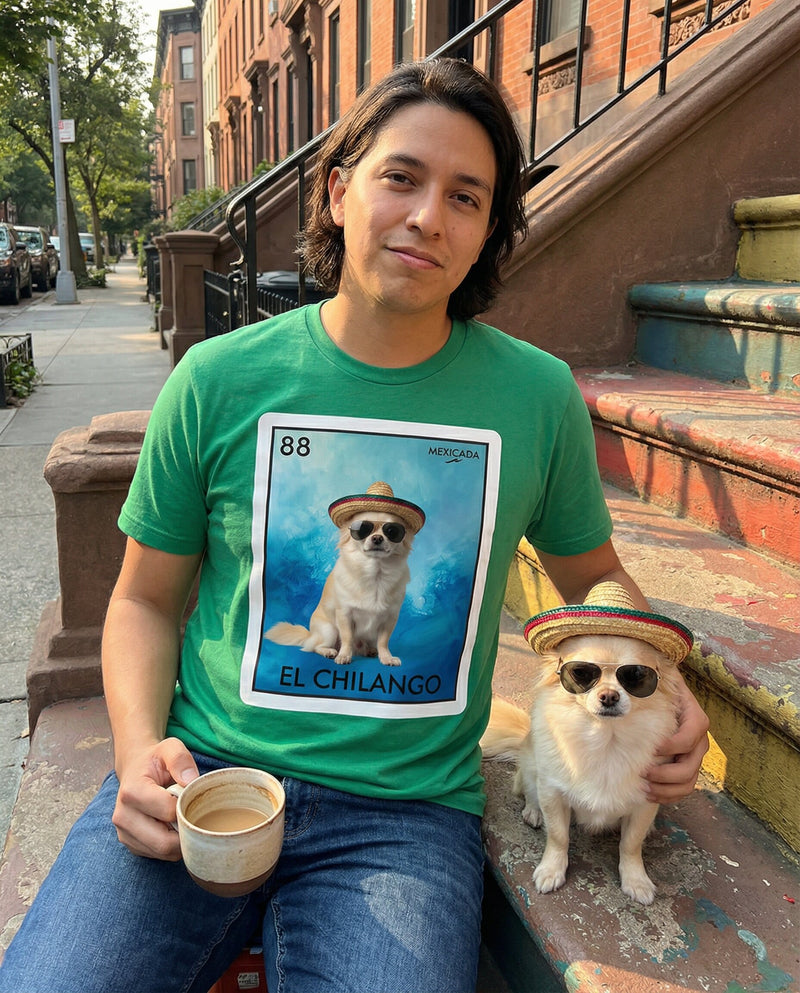


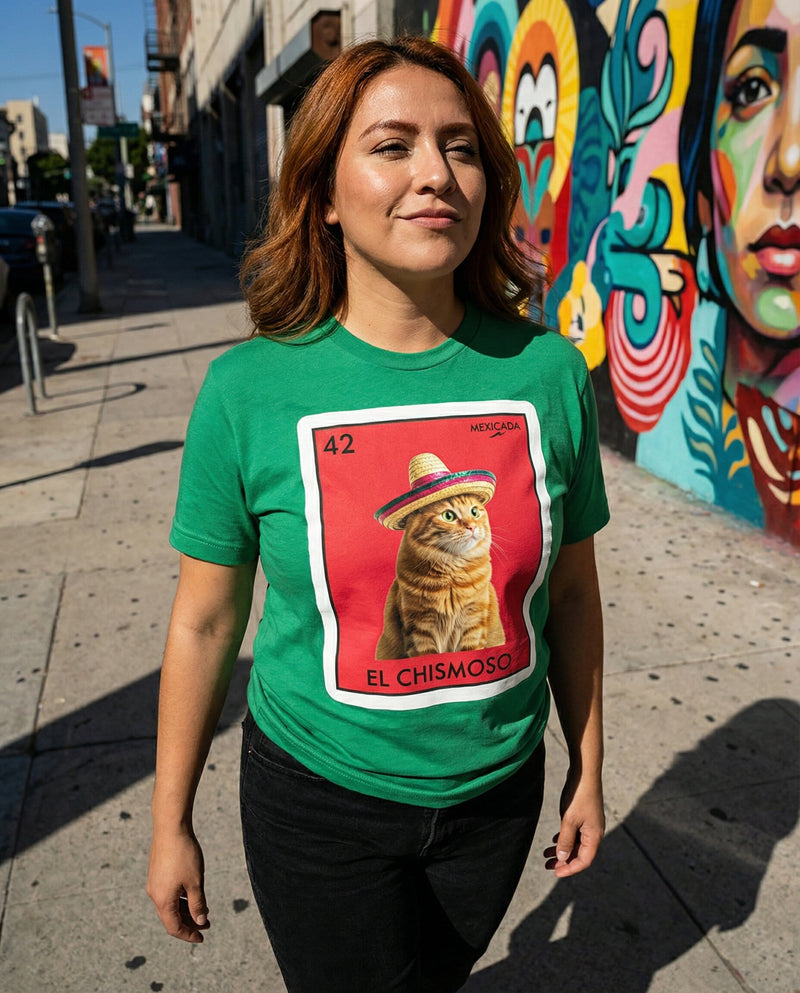
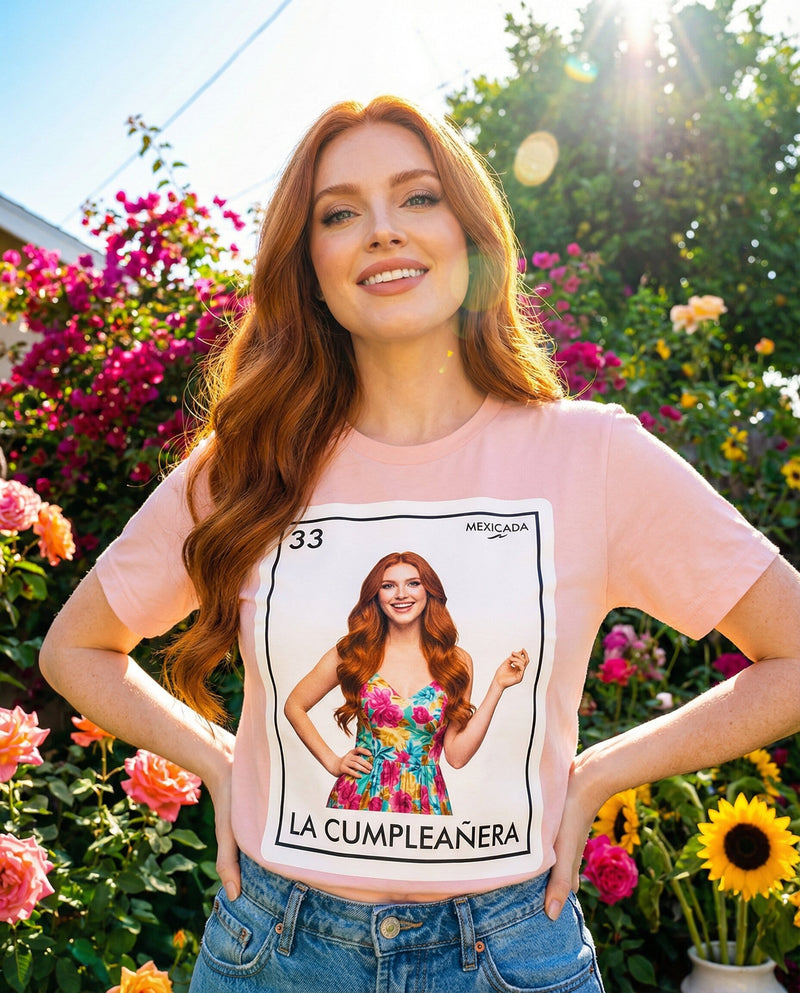

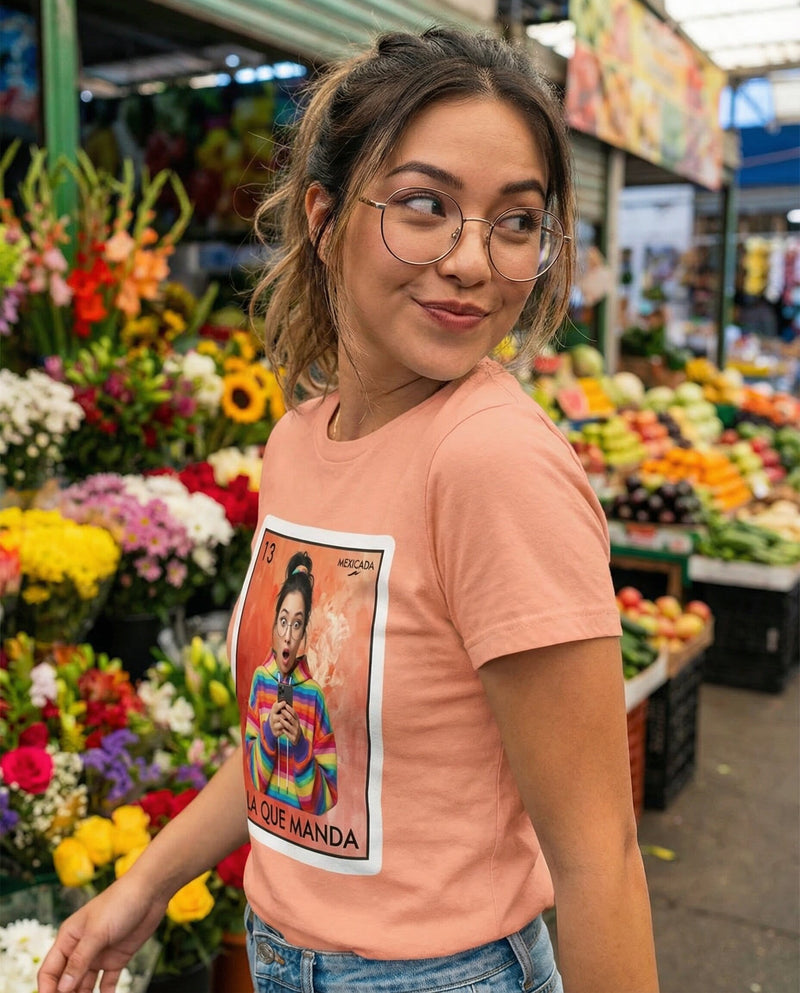
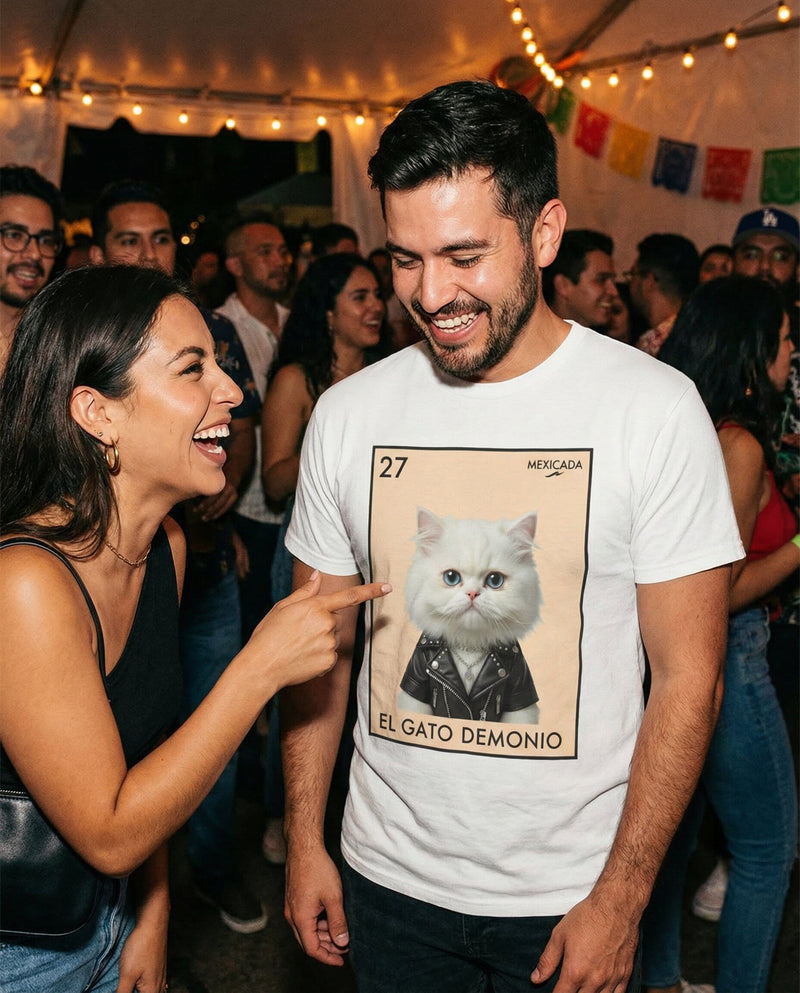
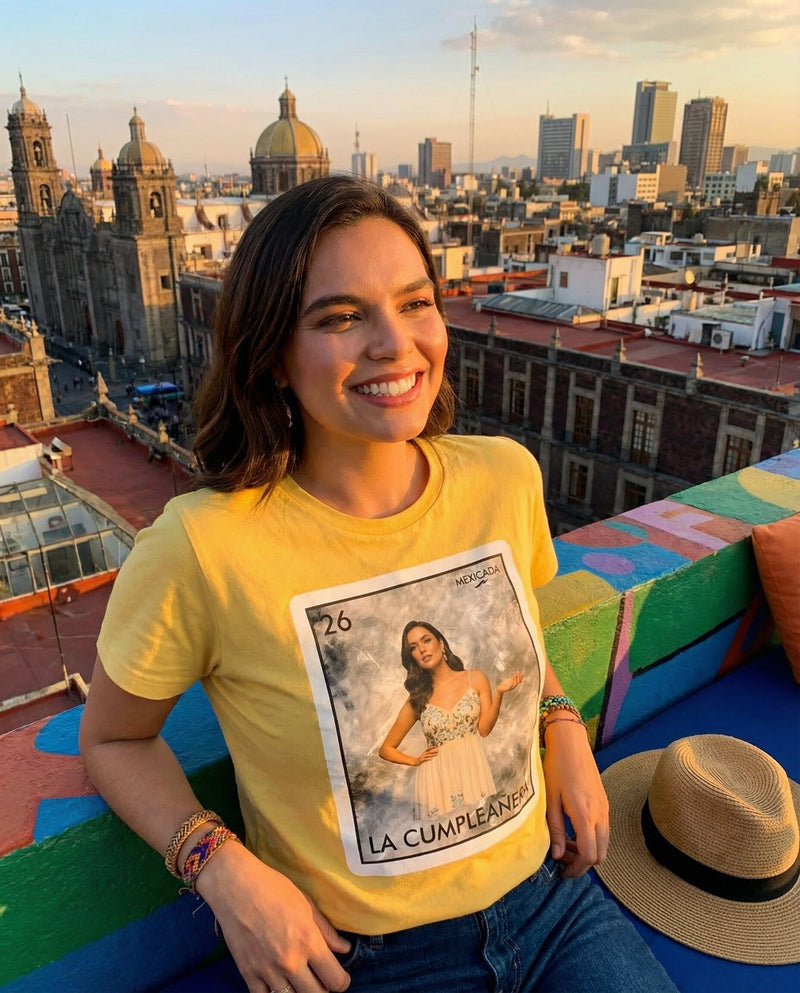
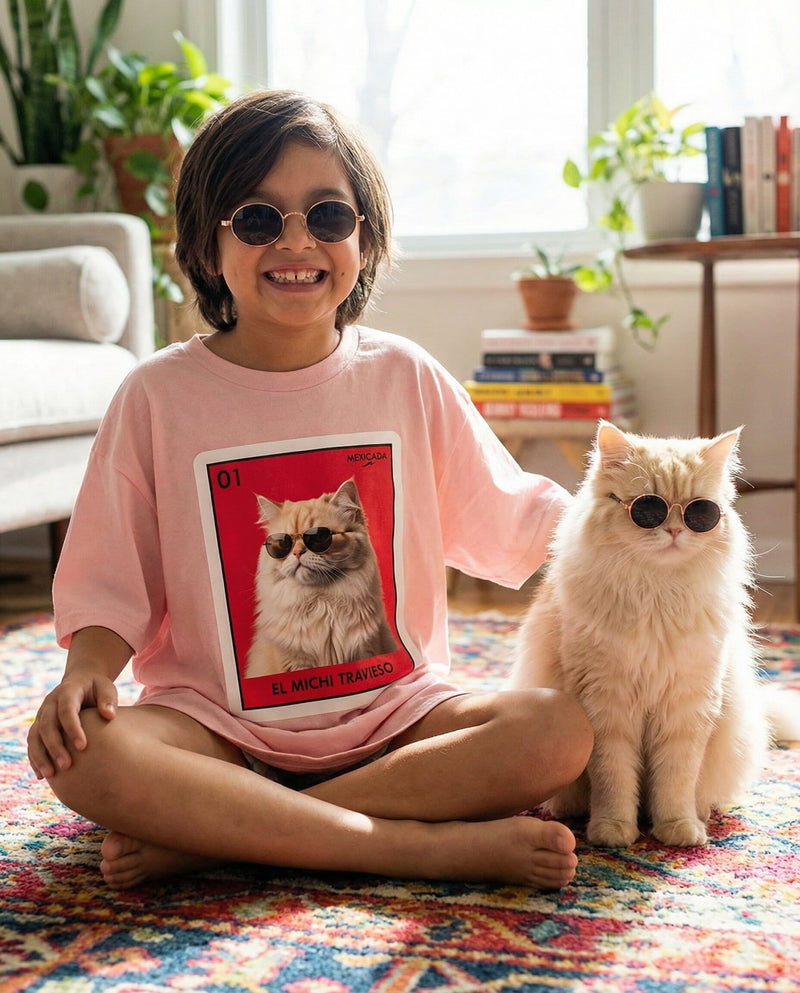
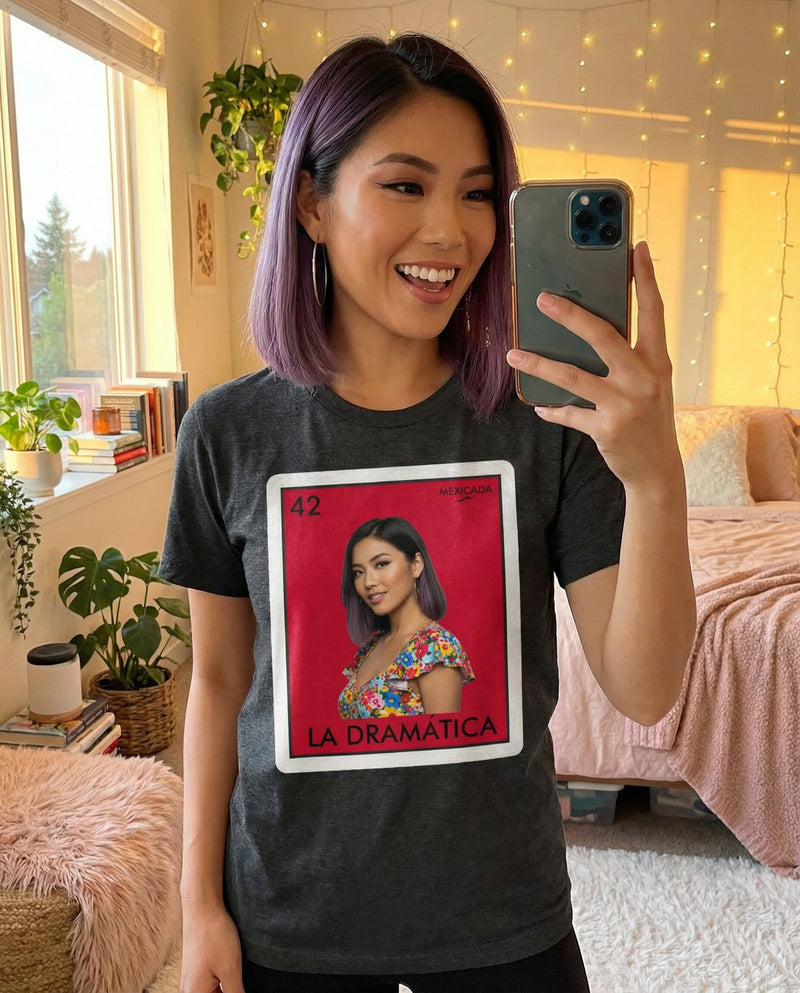

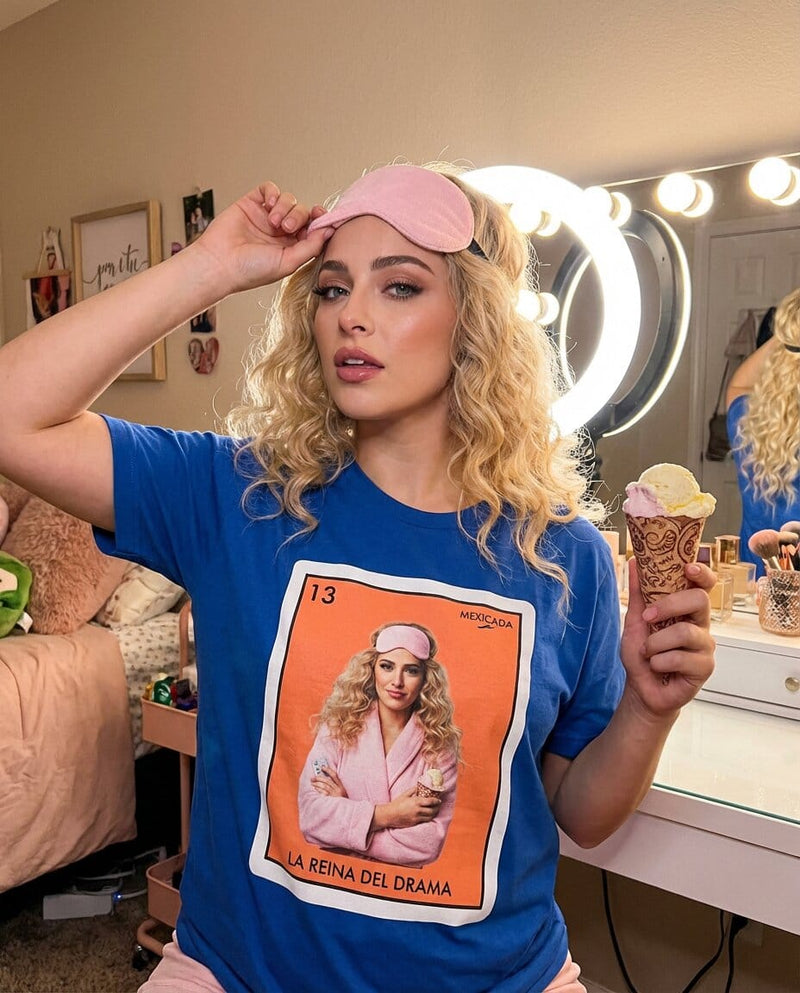
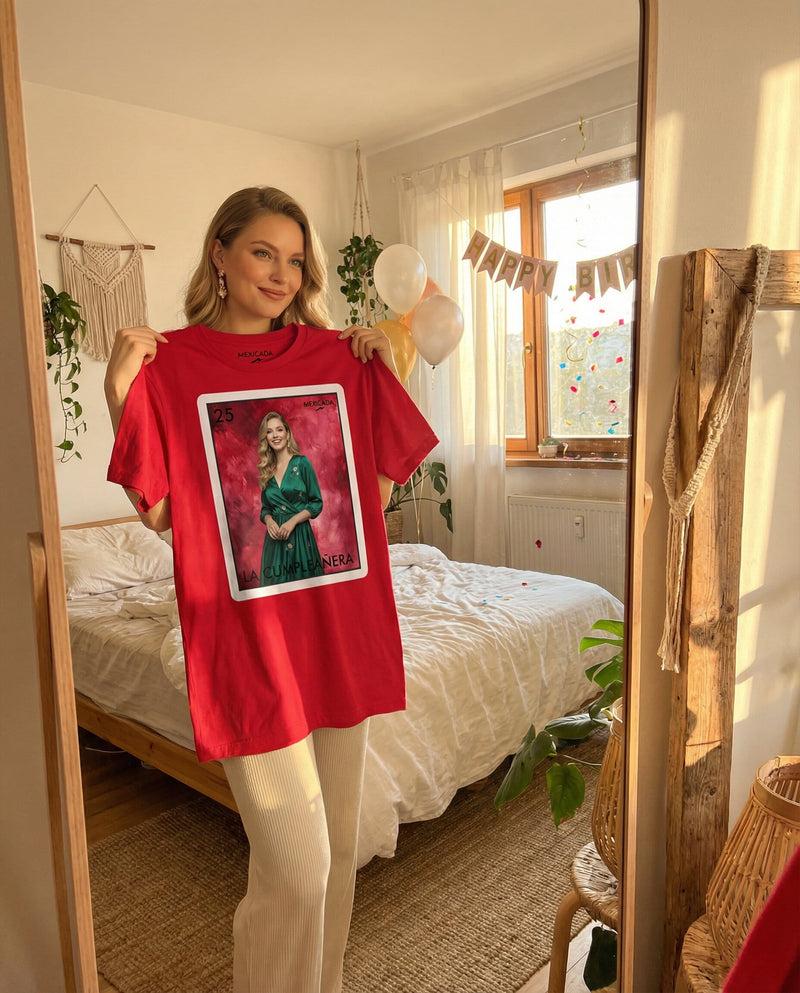


💖 Feel the Spirit of Fiesta with LA AGUILA 💖 Some shirts are just fabric—but this one? It’s a symbol of your heritage, your roots, your spirit. Des...
View full details
🦅 Embrace the Spirit of Freedom with LA ÁGUILA 🦅 Some shirts capture a moment. But this one? It’s a tribute to the bold, fearless spirit of the eag...
View full details
💖 Spread Your Wings with La Águila 💖 Some shirts are just designs—but this one? It’s your spirit, your culture, your pride—perfectly captured in a ...
View full details
💖 Feel the Spirit of Tradition, Live the Fun 💖 Every game of Lotería brings memories—laughter, competition, and those moments of pure joy. But what...
View full details
💖 Embrace Your Heritage with a Bold Twist 💖 There’s a feeling that comes when you wear something that’s more than just fabric. It’s a story, a cult...
View full details
💖 A Memory You Can Hold Forever 💖 Some shirts are just clothes—but this one? It’s you. It’s your story, your culture, your memories—all brought to ...
View full details
💖 Embrace the Spirit of the Eagle 💖 This isn’t just a T-shirt. This is your chance to wear the symbol of strength, freedom, and pride—captured in...
View full details
💖 Fly High with a Piece of Tradition 💖 Some shirts are just clothes—but this one? It’s your connection to heritage. With the bold, vibrant Águila d...
View full details
💖 Feel the Spirit of Freedom with Every Wear 💖 Some shirts are more than just fabric—they carry stories, culture, and pride. With the LA ÁGUILA Cu...
View full details
💖 Unleash Your Inner Scientist 💖 They say science is a world of its own—an adventure that unlocks the mysteries of life. But this La Cínica T-shirt...
View full details
💖 For the Love of Science and Style 💖 Some t-shirts are just clothes, but this one? It’s a celebration of who you are—a passionate clinician, a bri...
View full details
💜 Unleash Your Superpower with Style! 💜 Some days, you just have to embrace the cynic inside of you. And now, you can wear it proudly. This El Cini...
View full details
💖 Wear Your Vibe, Embrace Your Culture 💖 Some shirts are just shirts—but this one? It’s your story, brought to life in vibrant colors and playful d...
View full details
💖 Your Vibe, Your Lotería 💖 Imagine walking into a room and feeling all eyes on you. Not because you're trying, but because you're effortlessly glo...
View full details
💖 Unleash Your Inner Icon 💖 Some shirts are just clothing, but this one? It’s a statement. A bold mix of fun, style, and culture—this isn’t just an...
View full details
💖 Your Heart, Your Story, Your Pride 💖 Some shirts are just shirts, but this one? It's more. It’s your personal celebration of love, culture, and p...
View full details
💖 Your Style, Your Story 💖 Every design has a story—but this one? It’s a celebration of you, wrapped up in the vibrant colors and playful spirit of...
View full details
💖 The Magic of Nostalgia and Culture Combined 💖 Some shirts are just clothes—but this one? It’s your heritage. It’s a joyful celebration of traditi...
View full details
💖 Wear Your Story, Live Your Legacy 💖 Every design tells a story, but some go even deeper. Imagine wearing a piece of your culture, your memories, ...
View full details
💖 Your New Favorite Tee 💖 Some shirts are just clothes—but this one? It’s you. It’s your story, your vibe, your roots—expressed in a fun, unforgett...
View full details English


Leave a comment